Scientists from Tomsk Polytechnic University (TPU), together with colleagues from Kuzbass State Technical University (KuzSTU), have developed a polygeneration system that converts agricultural waste into three useful products at once: "green" hydrogen, thermal, and electrical energy.
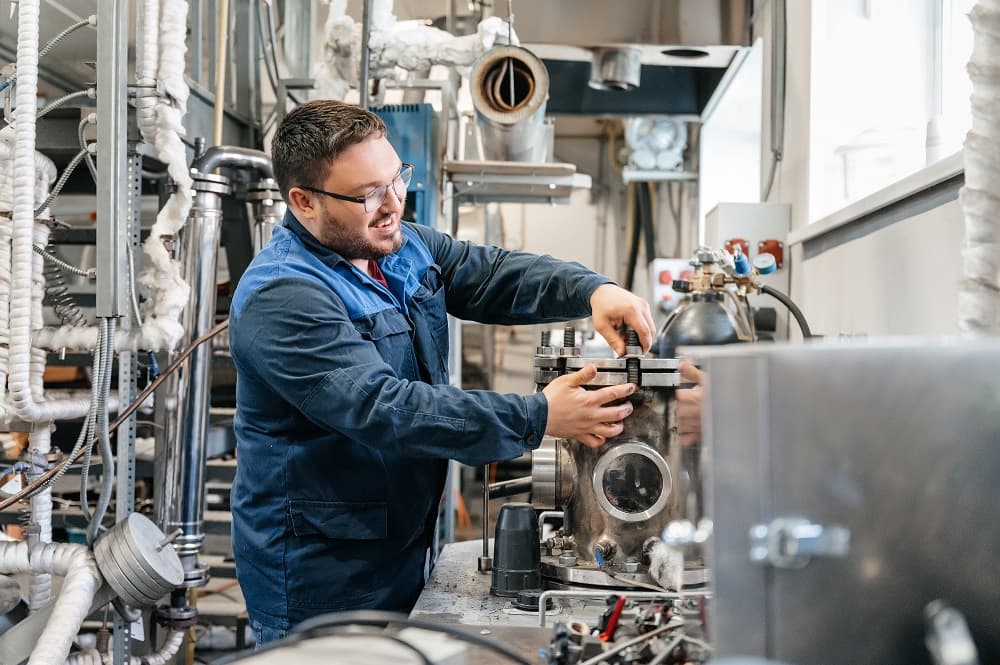
The system is based on the gasification of waste (e.g., beech sawdust) with superheated steam. The technology allows obtaining steam with a temperature of up to 1000°C and a pressure of up to 30 bar. In a two-chamber gas generator, organic matter is processed into combustible gas (for heat and electricity) and synthesis gas with a high hydrogen content — more than 30%.
Testing on a model with different raw material compositions confirmed the effectiveness of the approach. The exergetic efficiency of the steam boiler increased from 17% to 53%, and the overall system efficiency reached 39% — higher than that of traditional power plants. Hydrogen production also accelerated: the energy efficiency of the process rose to 46%.
The proposed technological solution allows producing up to 0.15 kg of "green" hydrogen per second from biomass with a calorific value of 19 MJ/kg, using 4 kg of waste. The system is flexible and allows regulating the production of hydrogen, heat, and electricity depending on the need.
The scientists plan to scale up the technology, adapt it for coal, and create a deep processing model to obtain synthetic fuels.
Read more related materials:
- An electric motor-generator without energy loss has been developed in Russia
- "Eternal" battery on salt created by NovSU scientists
- Energy from emptiness: a Moscow schoolgirl created an engine that does not need fuel
Never miss our newsAdd this site to your preferred sources to see us more oftenAdd on Google













![Growth Point: After 5G Launch, Mobile Internet in Russia Accelerated by 20%","subtitle":"TelecomDaily recorded an upload speed increase of 19.7%, and download speed of almost 14%","announce":""}[]}],](https://media.ixbt.site/fit-in/320x/ixbt-data/1727896/ai-image-nvgq0a0v5cjnyxwoc8xpelva.webp)