ITMO scientists have developed an experimental prototype of a portable magnetic resonance imager. This is the second such device in the world after the American one, which has been approved for clinical use. Until now, no portable MRI machines operating without a Faraday cage and helium cooling have been produced on the Russian market.
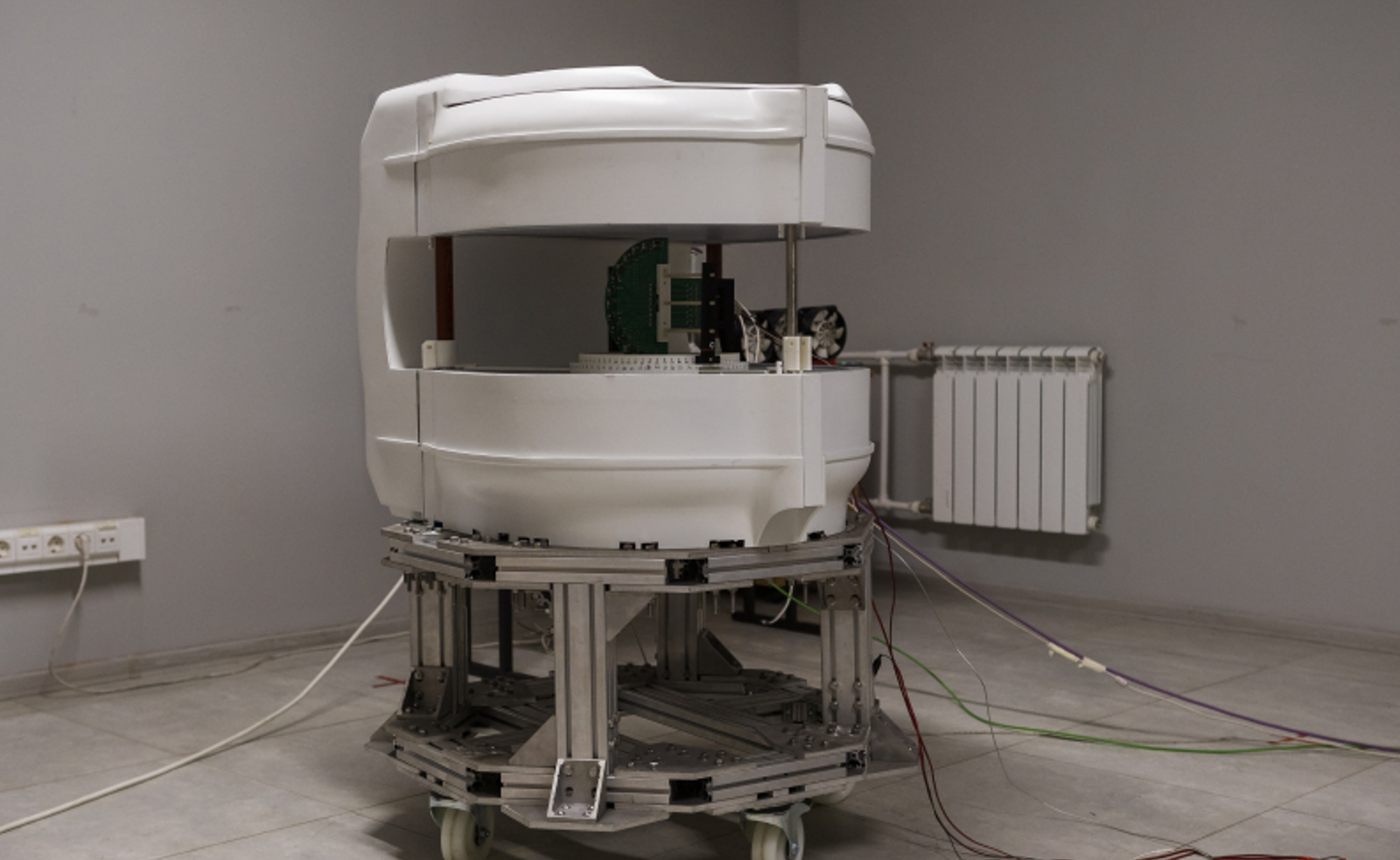
Classic tomographs cost more than 100 million rubles, require a special room, and constant cooling with liquid helium. Because of this, bedridden patients often cannot undergo examination. The new ITMO device operates on a weak magnetic field and uses a permanent magnet, so it does not need helium or a shielded room. The device connects to a regular power outlet and can be rolled directly to the patient's bedside.
An important advantage is safety for people with metal implants. The weak field does not heat or displace metal, so patients with shrapnel, prostheses, and even those connected to ventilators can undergo the procedure. The built-in neural network is responsible for image quality, suppressing external interference in real time.
According to engineers' estimates, a serial portable tomograph will cost about 25 million rubles – almost five times cheaper than stationary counterparts. Annual maintenance will not exceed 1-2 million rubles. The Russian development currently exists as an experimental prototype – trials, registration, and the path to clinical practice are ahead.
Read more on the topic:
Never miss our newsAdd this site to your preferred sources to see us more oftenAdd on Google