The project of the stratospheric communications drone "Argus" in Russia has good prospects, but issues related to the regulatory side still need to be resolved. This was told to "Pervomu tekhnicheskomu" by the head of the flight safety and certification service RunAvia.ru, aviation expert Andrei Patrakov.
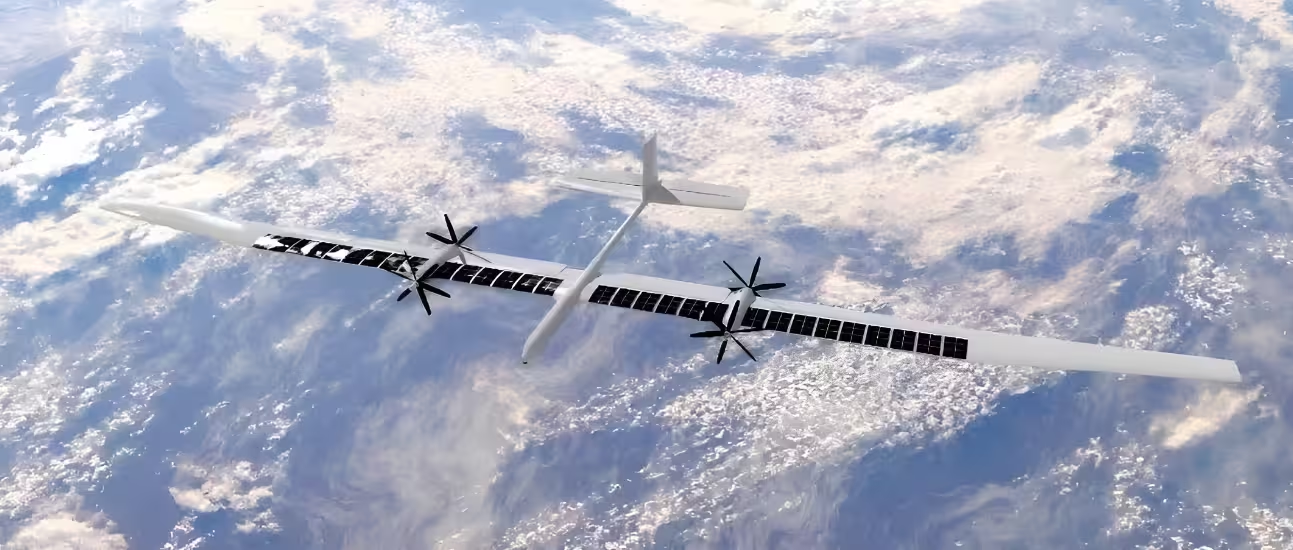
According to him, such "pseudo-satellites" may prove very effective because they fly at a lower altitude.
But many regulatory problems need to be solved. We do not have rules for operating this class of aircraft; they still have to be developed. As practice shows, everything here moves very heavily and slowly. Quite often it is precisely the regulatory part that slows things down.
Testing of "Argus" will begin in March 2026. In the future, it will be able to operate as an airborne communications provider and supply users with high-speed internet. The project is being considered as an alternative method of data transmission based on a principle similar to the Starlink system.
Read more materials on the topic:
- An engineer from Tatarstan patented an unmanned stratospheric vehicle with vertical takeoff and landing
- To replace costly satellites: the unmanned stratospheric platform "Barraz-1" was successfully launched in Russia
- Russia will create the world's first hybrid of an airplane and an airship
Never miss our newsAdd this site to your preferred sources to see us more oftenAdd on Google

















