Scientists at the Sirius University of Science and Technology have developed a bio-scaffold for restoring the human spinal cord after injuries. This was reported by the press service of the Sirius Federal Territory.
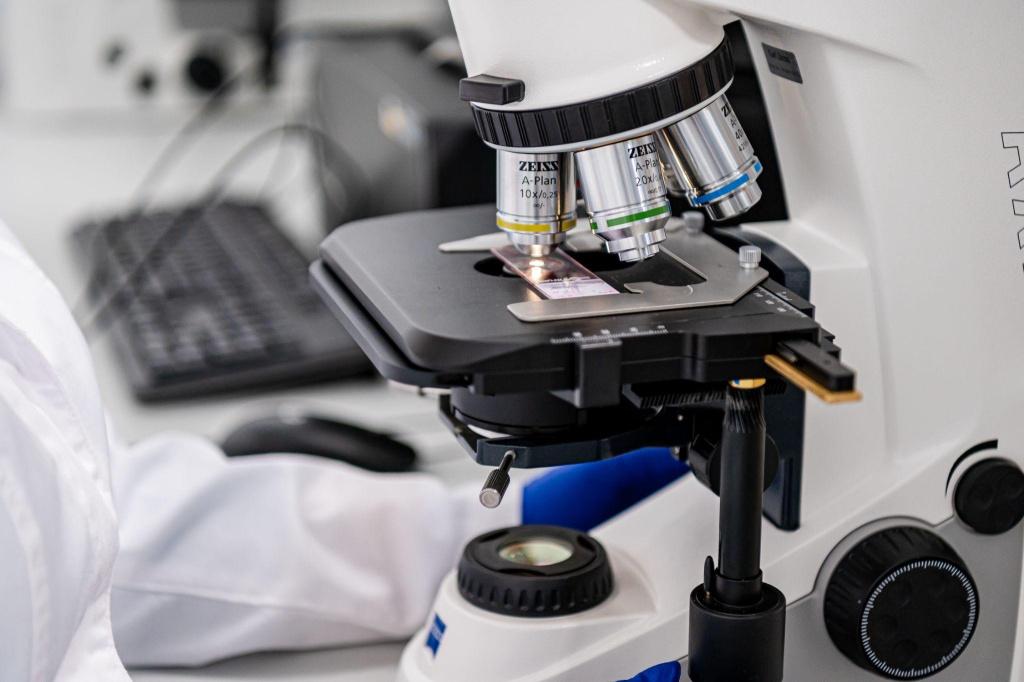
The new polymer scaffolds could become the basis for implants used in spinal cord injury therapy. Combined with cell therapy, they will create favorable conditions for nerve tissue regeneration.
Spinal cord injury remains one of the most complex medical problems due to the extremely limited regenerative potential of the adult human central nervous system.
Laboratory tests of the scaffold showed that neuron density increases fivefold, creating a favorable environment for their growth.
The basis of the bio-scaffold material was a mixture of two biodegradable and biocompatible polymers — polylactide (PLA) and polycaprolactone (PCL). From the resulting mixture, a network of fibers was created using electrospinning, mimicking the extracellular matrix.
In our work, we showed that not only the polymer composition, but also the surface porosity of the fibers critically affects neurons and astrocytes. By controlling the mechanics, architecture, and composition of the material, it is possible to create a more favorable environment for cells.
The next stage of development is research on animal models to assess functional recovery and the integration of the implant with tissue. Specialists also plan to modify scaffold surfaces with neurotrophic factors to enhance their regenerative potential.
Read more materials on the topic:
- Russian scientists will be able to restore the human spinal cord after injury
- A neuron has been created to restore damaged spinal cord neural networks
- Block pain: MIET developed neural interface implants for the spinal cord
Never miss our newsAdd this site to your preferred sources to see us more oftenAdd on Google