After the expiration of the Treaty on the Reduction of Strategic Offensive Arms, the topic of bringing back the "Barguzin" combat railway missile systems (BZHRK), which outwardly are indistinguishable from ordinary trains and can remain undetected by satellites, has become relevant. This was stated by Igor Korotchenko, editor-in-chief of the magazine "National Defence" and a military analyst.
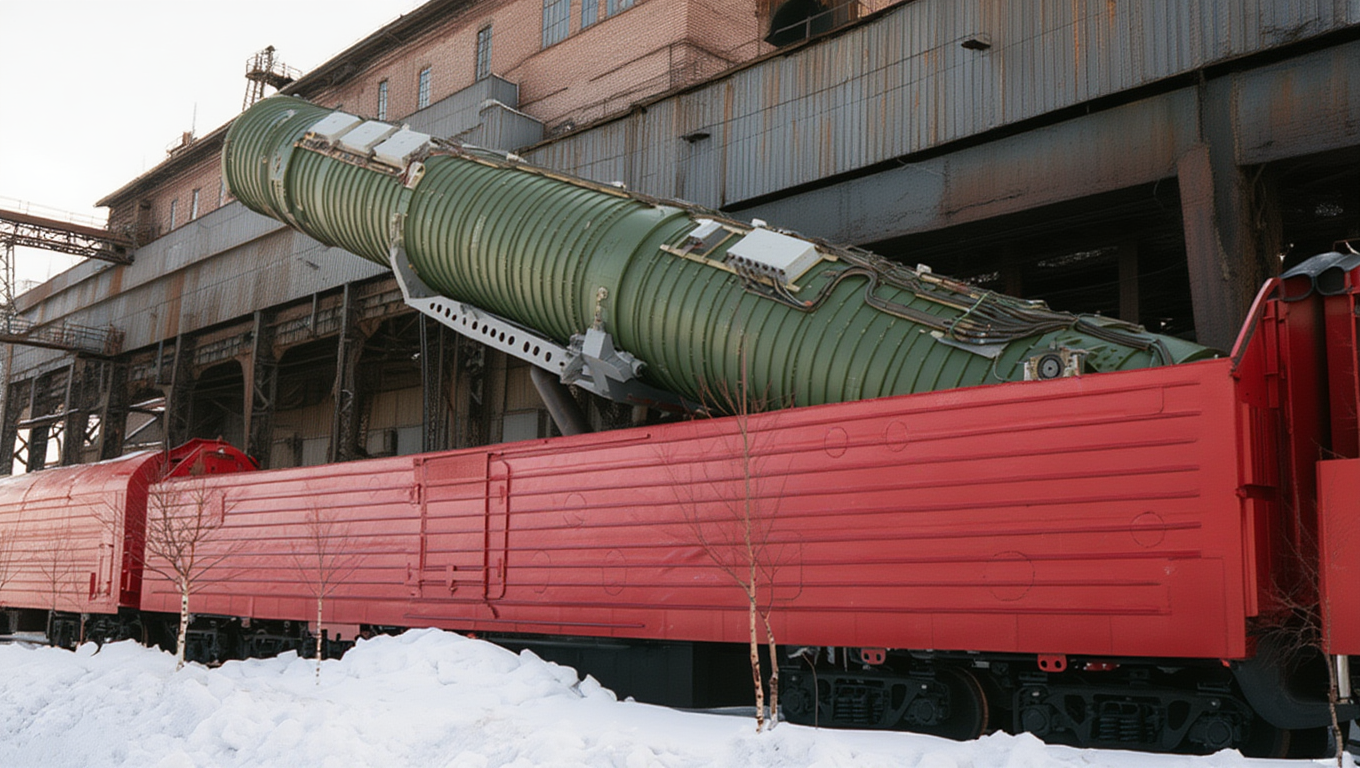
According to him, such "nuclear trains" cannot be distinguished from ordinary refrigerated trainsets.
At any point along the route, they are capable of delivering a missile-nuclear strike against a potential aggressor. Moreover, it is impossible to uncover their current location using the enemy's satellite reconnaissance assets.
Korotchenko added that the "Barguzin" BZHRK is equipped with a ballistic missile already unified with the solid-fuel "Bulava" and "Yars" systems.
These missiles are already well mastered in production and possess virtually one-hundred-percent efficiency and reliability.
One BZHRK can carry up to 6 intercontinental ballistic missiles with a special warhead, moving them over distances of up to 1,000 km per day. The "Barguzin" was developed at the Votkinsk Plant, known for producing the "Iskander" missile systems.
On February 5, 2026, the Treaty on Measures for the Further Reduction and Limitation of Strategic Offensive Arms (New START) expired. The document was signed by Russia and the United States in April 2010. The parties extended it in February 2021.
Read more on the topic:
- The "Sarmat" system has entered combat duty
- What is being written about the Russian "Avangard" missile capable of passing through the Earth's atmosphere
- The sea-based intercontinental ballistic missile "Bulava" was adopted into service by the Russian Armed Forces
Never miss our newsAdd this site to your preferred sources to see us more oftenAdd on Google