Translated with AI from the Russian original.
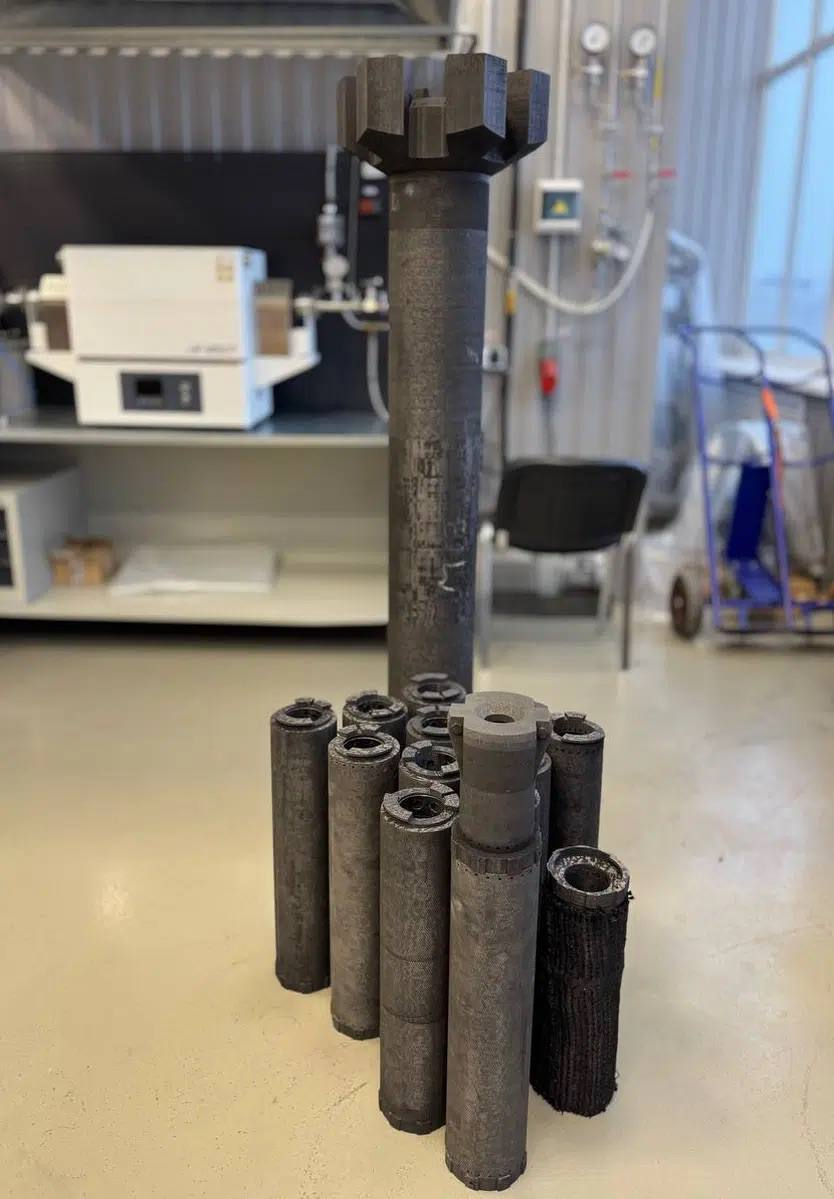
Specialists from the Rosatom State Corporation successfully completed comprehensive tests of full-scale mock-ups of structural elements of a very-high-temperature gas-cooled reactor (VHTR), manufactured from Russian nuclear-grade carbon material. The stage included both reactor tests at extreme temperatures up to 1300 °C and a detailed analysis of the thermophysical characteristics of irradiated samples.
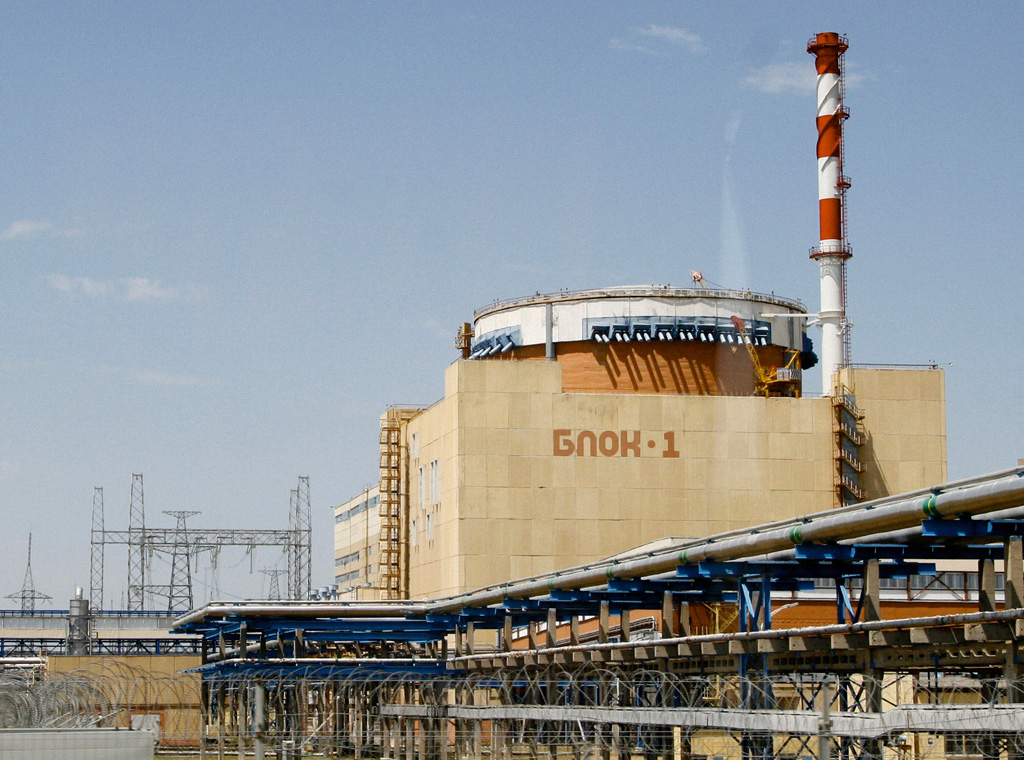
The development of domestic graphite composites represents a key stage in creating a VHTR reactor unit with a thermal capacity of 200 MW. The specific feature of the technology lies in the use of exclusively ceramic materials and nuclear-grade graphite to form the core, which ensures structural stability at ultra-high coolant temperatures.
The successful validation of the materials opens the way to creating a nuclear energy technology plant (NETP) with an integrated chemical process cycle. The VHTR is capable of generating high-potential heat with a temperature of up to 950 °C at the core outlet, making it an ideal platform for thermochemical processes for producing hydrogen-containing products and ammonia without burning fossil fuels.
According to the developers' estimates, such plants could become the foundation for decarbonizing the chemical and oil refining industries. In the future, the construction of a demonstration complex with a VHTR is planned, which will produce up to 400 thousand tons of low-carbon hydrogen per year. The technology meets the safety requirements of Generation IV nuclear reactors and makes it possible to use reactor heat not only for electricity generation, but also for the direct supply of industrial processes.
Read more materials:
- Atommash will double the output of equipment for NPP turbine halls
- Design of the Nizhne-Zeyskaya Hydroelectric Power Plant with a capacity of 400 MW will be completed in September
- KamAZ presented new vacuum units based on the K5 chassis for the oil and gas sector
Never miss our newsAdd this site to your preferred sources to see us more oftenAdd on Google

















