Translated with AI from the Russian original.
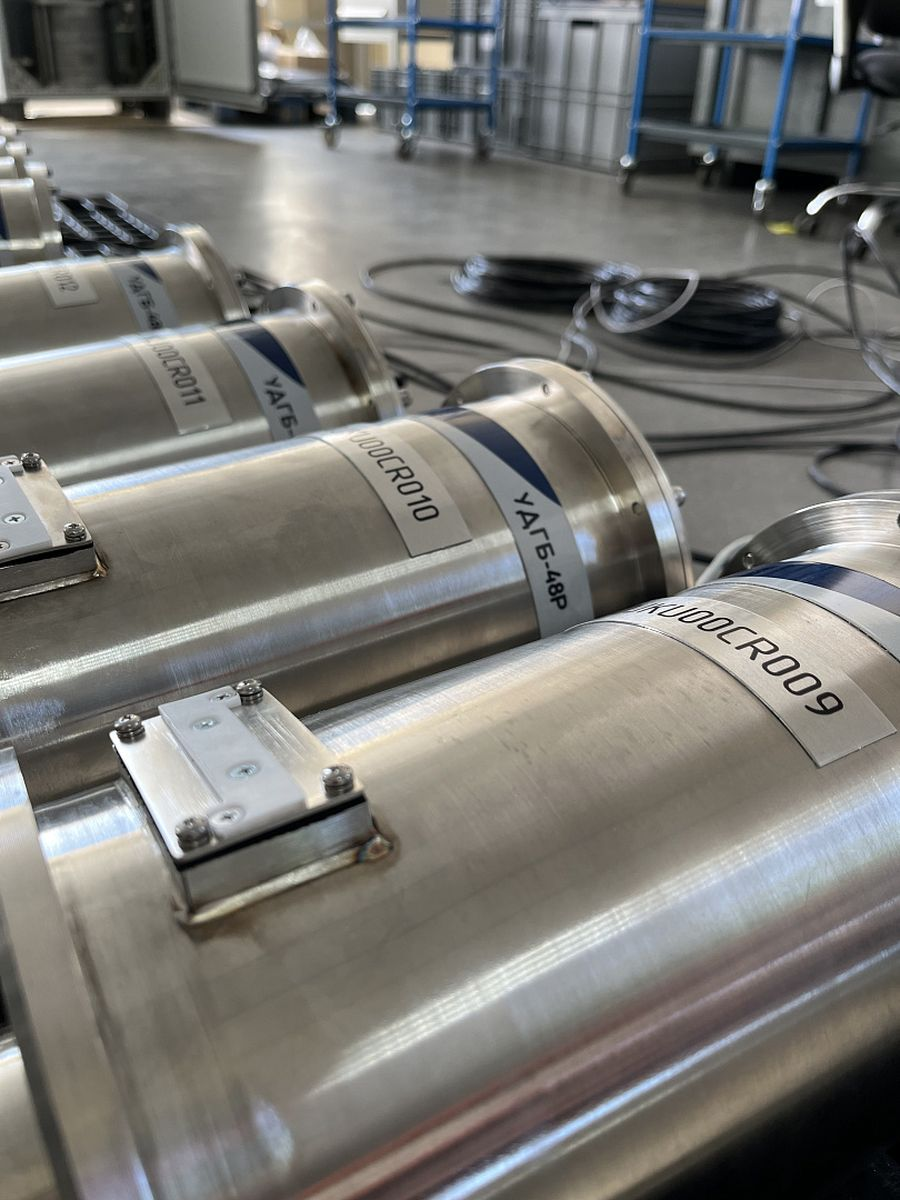
SNIIP specialists developed and delivered to the customer a batch of 17 detectors capable of simultaneously analyzing the radionuclide composition and measuring the volumetric activity of inert radioactive gases, xenon and krypton. These gaseous fission products serve as key indicators of breaches in fuel element cladding tightness: in the event of microcracks or defects in fuel rods, they instantly penetrate the coolant and are detected by the system long before more dangerous solid fission products are released.
The devices will become an integral part of the measuring channels of the automated cladding integrity monitoring system (AS KGO), which operates as part of the reactor unit control complex.
Unlike traditional water-cooled reactors, where cladding integrity is monitored via the steam phase, the BREST reactor with a molten lead-bismuth-based coolant uses a method of vacuum extraction of inert gases, a technology requiring fundamentally new detection solutions.
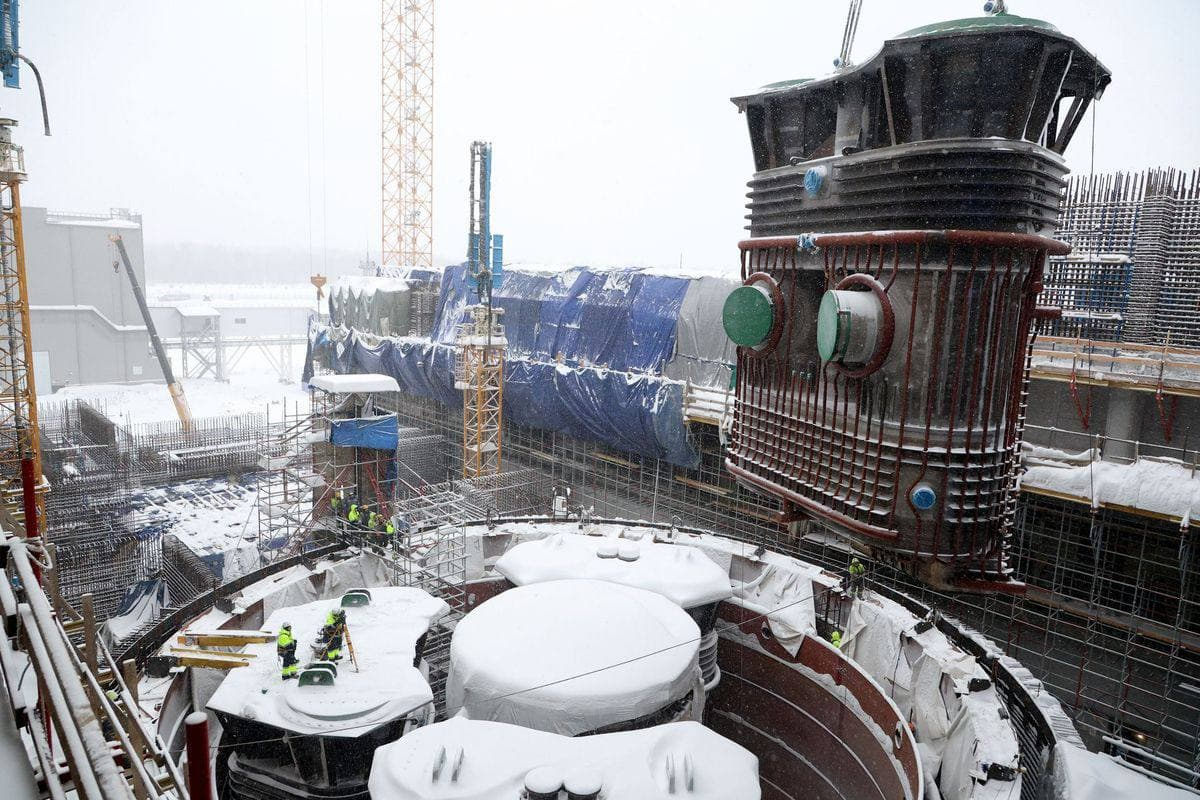
The BREST-OD-300 reactor, being built at the site of the Siberian Chemical Combine in Seversk, Tomsk Region, is the world’s first pilot-industrial Generation IV power unit with a fast-neutron reactor installation using a heavy liquid-metal coolant.
Read more articles:
- Unit transformers installed at the Akkuyu Nuclear Power Plant: Turkey moves closer to launching its first nuclear power unit
- Russian-made graphite withstood extreme temperatures for VHTR at 1300°C
- The sprinkler safety system was successfully tested in the reactor compartment of Power Unit No. 1 at the Rooppur Nuclear Power Plant
Never miss our newsAdd this site to your preferred sources to see us more oftenAdd on Google

















