The "High-Precision Systems" Holding Company (part of Rostec) has released the first batches of its own-designed SC 226 and SC 228 "Ellipsis" series multi-bullet cartridges. The ammunition is effective when firing at small drones from standard small arms, the holding's press service reported.
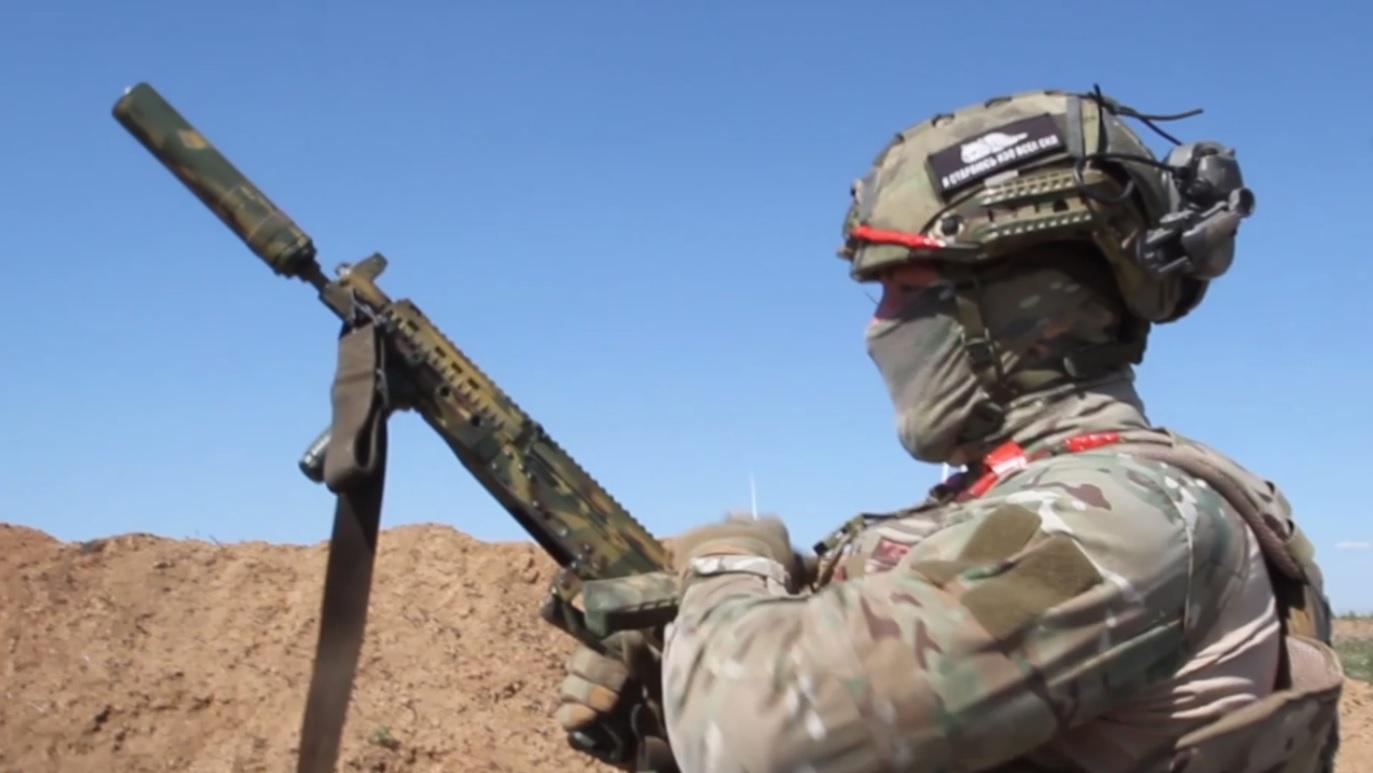
"Ellipsis" series cartridges:
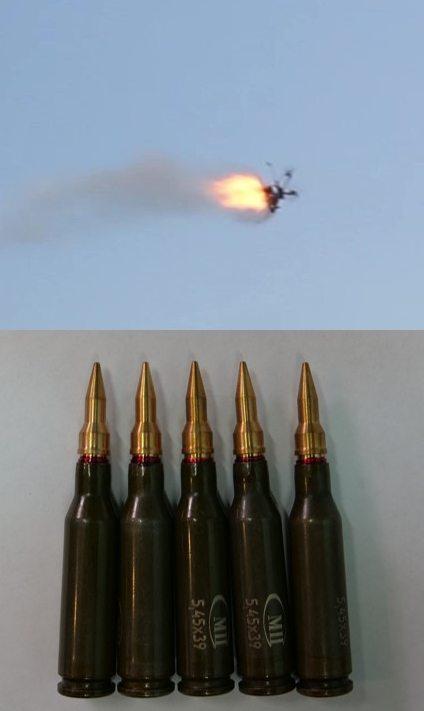
- SC 226, 5.45x39 mm caliber
- SC 228, 7.62x54 mm caliber
Both products contain a three-element bullet that separates in flight. This increases the accuracy of shooting and the likelihood of hitting an aerial target.
To speed up the launch of mass production of ammunition, the developers used a standard cartridge case and gunpowder.
The new multi-bullet ammunition increases this efficiency by 2.5 times at a range of up to 300 meters compared to standard cartridges.
Russian military personnel tested the SC 226 and SC 228 in real combat conditions. The new cartridges received high praise from the soldiers, Ozdoev emphasized.
The "Ellipsis" series cartridges do not require modification of small arms. Suitable for shooting with a silencer.
Read more on the topic:
- Russian Troops to Receive Improved PPK-20 with Support for 7N21 Armor-Piercing Cartridge
- New Rostec Cartridges Pierce Engines and Break Drone Propellers
- Rostec Saves Klimovsk Ammunition Plant from Bankruptcy and Modernizes Production
Never miss our newsAdd this site to your preferred sources to see us more oftenAdd on Google