The Leningrad NPP has officially received a license from the Federal Service for Environmental, Technological and Nuclear Supervision (Rostekhnadzor) to decommission the first power unit - the historical "firstborn" of domestic nuclear energy.
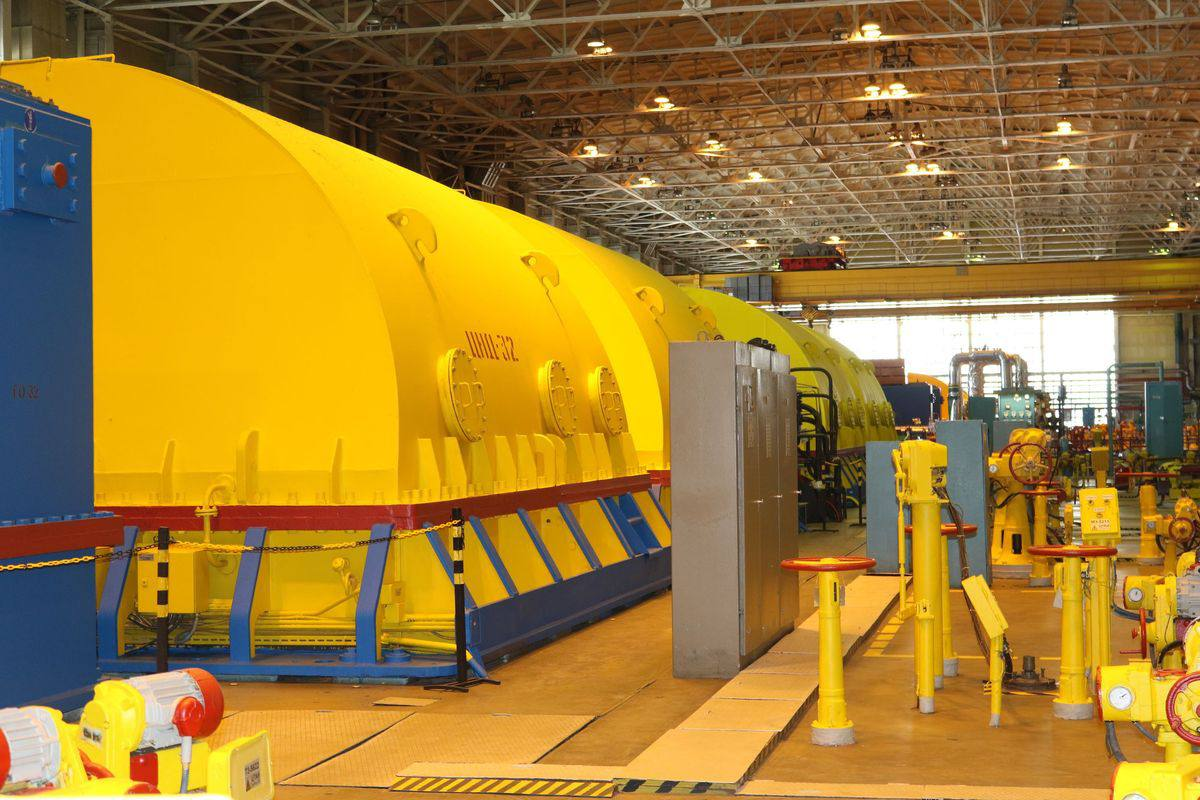
According to the plan, the complete decommissioning of the unit will take about 30 years and is expected to be completed in 2055. The project will be implemented in three main phases: preparation for shutdown, safe storage of equipment with subsequent radiological control, and finally, dismantling of the active zone and auxiliary systems. The experience gained will be used as a methodological standard for similar facilities not only in Russia, but also abroad.
The decommissioning of RBMK-1000 type reactors is a complex engineering task due to the long radioactive "aging" of the active zone components, the need to create specialized storage facilities for spent nuclear fuel and radioactive waste, as well as the development of systems for dismantling equipment in conditions of increased radiation.
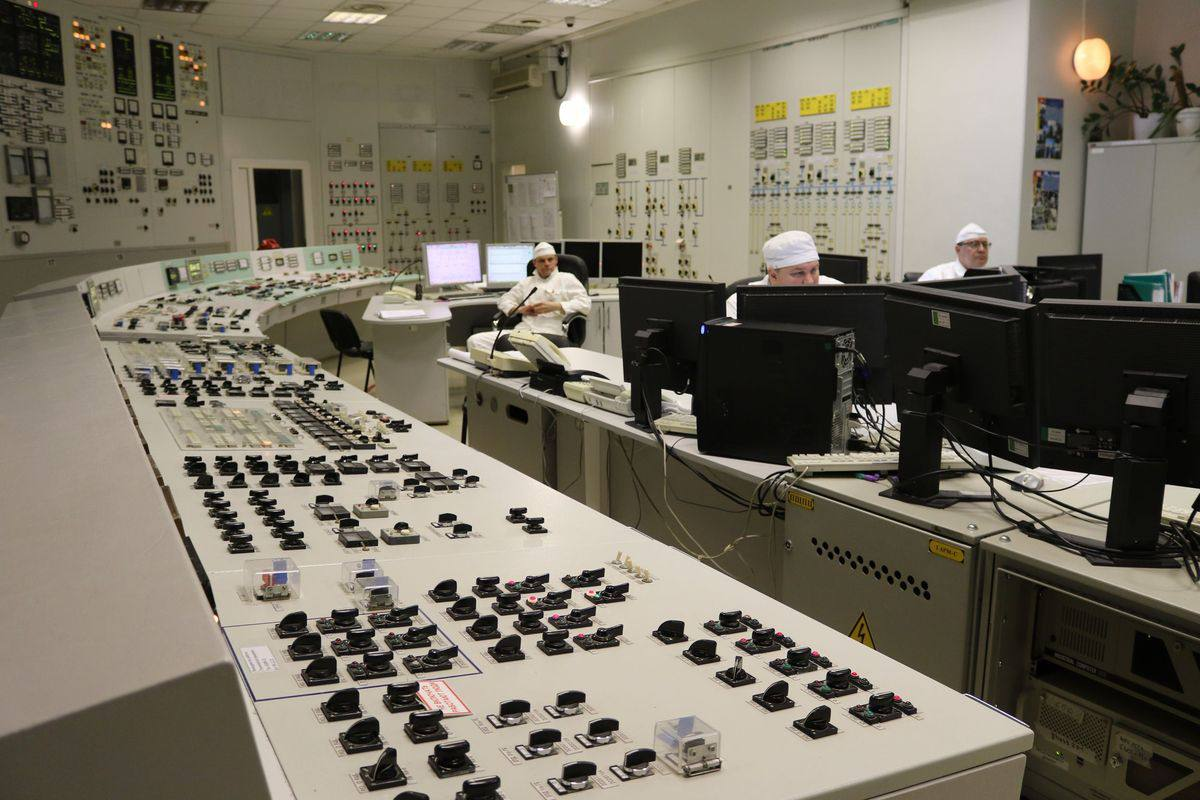
The Leningrad NPP will be the first to apply the concept of "deferred dismantling," in which, after shutdown, the reactor is maintained in a state of controlled downtime for 20-30 years, which significantly reduces the level of radiation background before the start of physical disassembly of structures.
The Leningrad NPP, located in the city of Sosnovy Bor, Leningrad Region, became the first industrial-scale nuclear power plant in the USSR based on RBMK-1000 type reactors. Its construction began in 1966, and the first power unit was put into commercial operation on December 21, 1973. This event marked the beginning of the widespread use of high-power channel-type uranium-graphite reactors in the Soviet energy sector.
Read more materials on the topic:
- Launched and Tested: Rosatom Completes Testing of Simulator for BREST-OD-300 Reactor
- 120 MW on the Shafts: Rosatom Delivers First Batch of Fuel for RITM-400 Reactors of the "Russia" Icebreaker
- Rosatom Invests Another $9 Billion in Turkish Akkuyu NPP: Nuclear Construction Continues
Never miss our newsAdd this site to your preferred sources to see us more oftenAdd on Google