Translated with AI from the Russian original.
The Yelabuga Battery Plant (EAZ) has launched mass production of batteries using EFB technology. The products are intended for cars and trucks, as well as specialized KamAZ equipment. This was reported by the Industrial Development Fund (IDF).
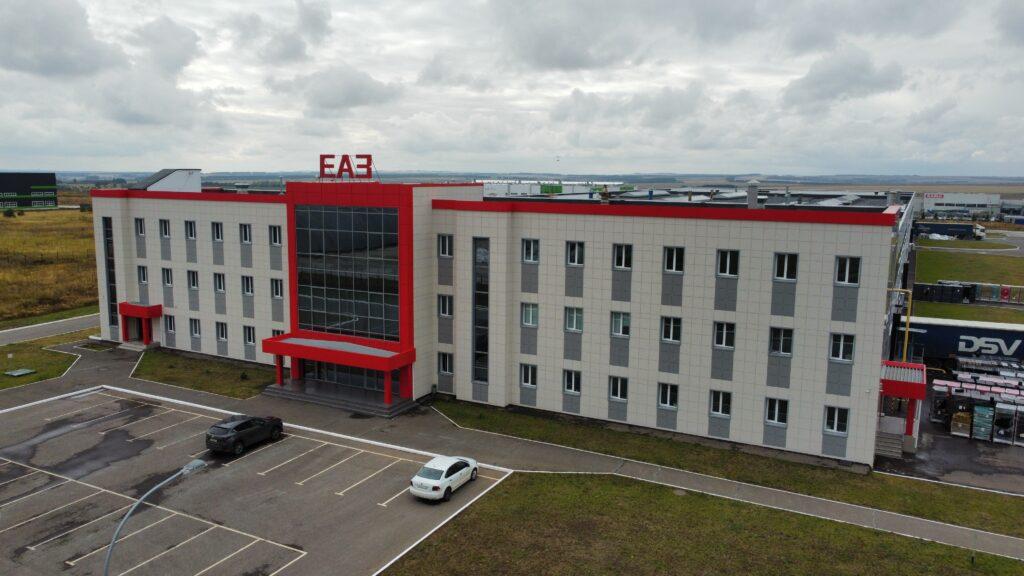
Total investments in the project amounted to about 157 million rubles. At the same time, the level of localization reached 100%, only domestic raw materials are used for production.
EFB - improved batteries that use liquid electrolyte. Compared to SLA lead-acid batteries, these batteries accumulate charge 45% faster, have increased capacity and longer service life, low cost and improved starting current indicators from 30% to 50%, and are more resistant to cyclic discharges.
EFB batteries are designed for modern cars with an increased amount of electrical equipment. They can also be used in emergency power supply systems at industrial enterprises, in the energy sector and telecommunications.
A system for preventing short circuits and an original paste manufacturing technology have been introduced into production. This allows the batteries to be used at temperatures down to -30°C without compromising performance.
Earlierwww1.ru reported that a new battery production plant and a gigafactory will becreated in Moscow.
Read more materials on the topic:
- Technology for producing materials for creating light batteries created at St. Petersburg State University
- Belarusian plant 1AK is ready for mass production of innovative AGM batteries: tests completed
- Rosatom and Avtotor will establish assembly of batteries for electric transport in Kaliningrad
Never miss our newsAdd this site to your preferred sources to see us more oftenAdd on Google

















