The Government of the Russian Federation is considering abandoning the construction of the North Siberian Railway due to its high cost, estimated at 50 trillion rubles. This was announced by Deputy Prime Minister Vitaly Savelyev in a letter to President Vladimir Putin.
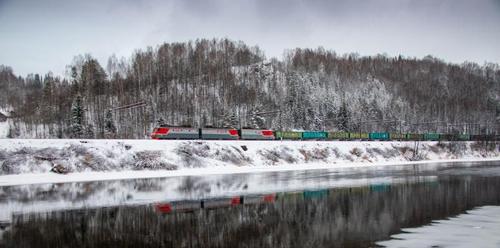
The government considered it impractical to build specific sections of the road from Nizhnevartovsk to Bely Yar and from Tashtagol to Urumqi in China.
The cost of building the highway is so high primarily due to difficult geological conditions, and the investment program of Russian Railways (RZD) continues to decline. In 2026, it will not exceed 1 trillion rubles.
In the fall of 2023, President Putin instructed the government to consider the possibility of building the North Siberian Railway. Its total cost was estimated at 8 trillion rubles.
According to scientists' calculations, the project may pay off within 20 years. The cargo flow along the new route was estimated at 115 million tons per year, of which about 50 million tons are coal.
Earlier www1.ru reported that Russia is studying the possibility of building a railway in Afghanistan.
Read more materials on the topic:
- The HSR project is in full swing: Russian Railways welded rails for the future Moscow - St. Petersburg highway
- The Ministry of Transport is working on the construction of a new high-speed railway to new regions
- The first section of the modernized track appeared on the Trans-Siberian Railway
Never miss our newsAdd this site to your preferred sources to see us more oftenAdd on Google

















