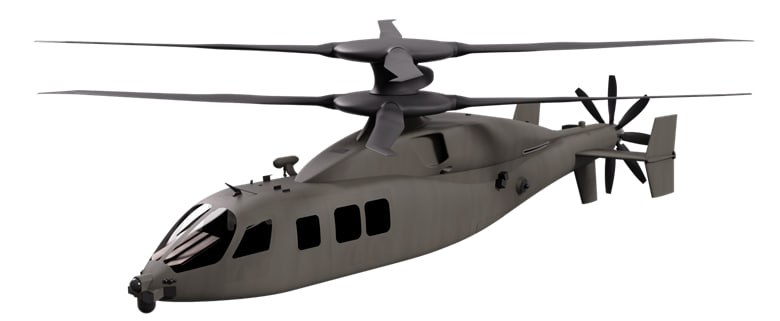
Amidst NATO's drive to modernize its helicopter fleet for new challenges, Sikorsky - a subsidiary of Lockheed Martin - has unveiled a conceptual design for a prospective rotorcraft. The design showcases a coaxial rotor system with a pusher propeller in the tail section - a configuration inevitably associated with the proven designs of the Russian Kamov Design Bureau: the Ka-52 Alligator and the light multi-purpose Ka-226.
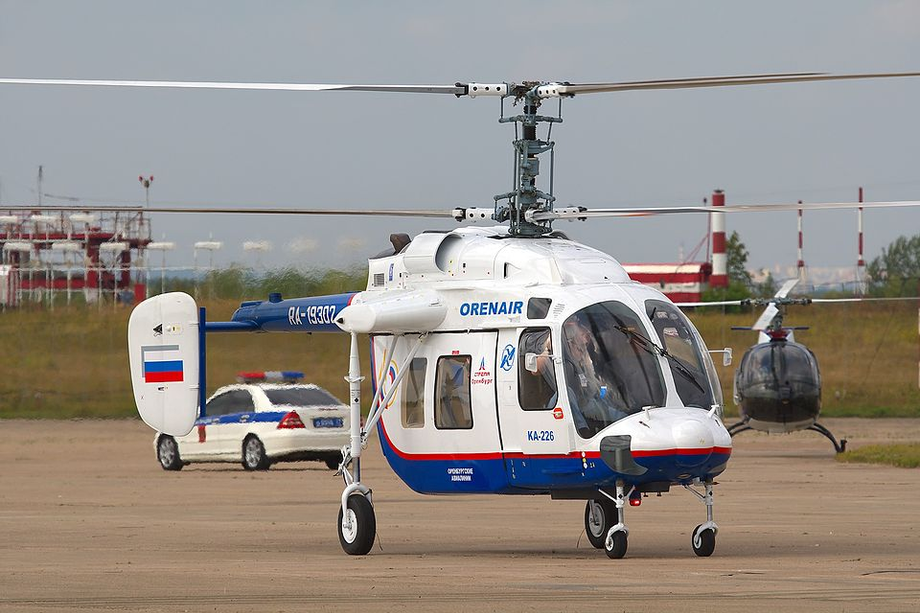
Sikorsky's design is based on the X2 program, which demonstrated record speeds for rotorcraft in the 2010s (over 460 km/h). However, the principle of coaxial rotors without a tail rotor is not an innovation of American engineering thought: it was Soviet and Russian designers under the leadership of Nikolai Kamov who first mass-produced it in the 1940s and 50s.
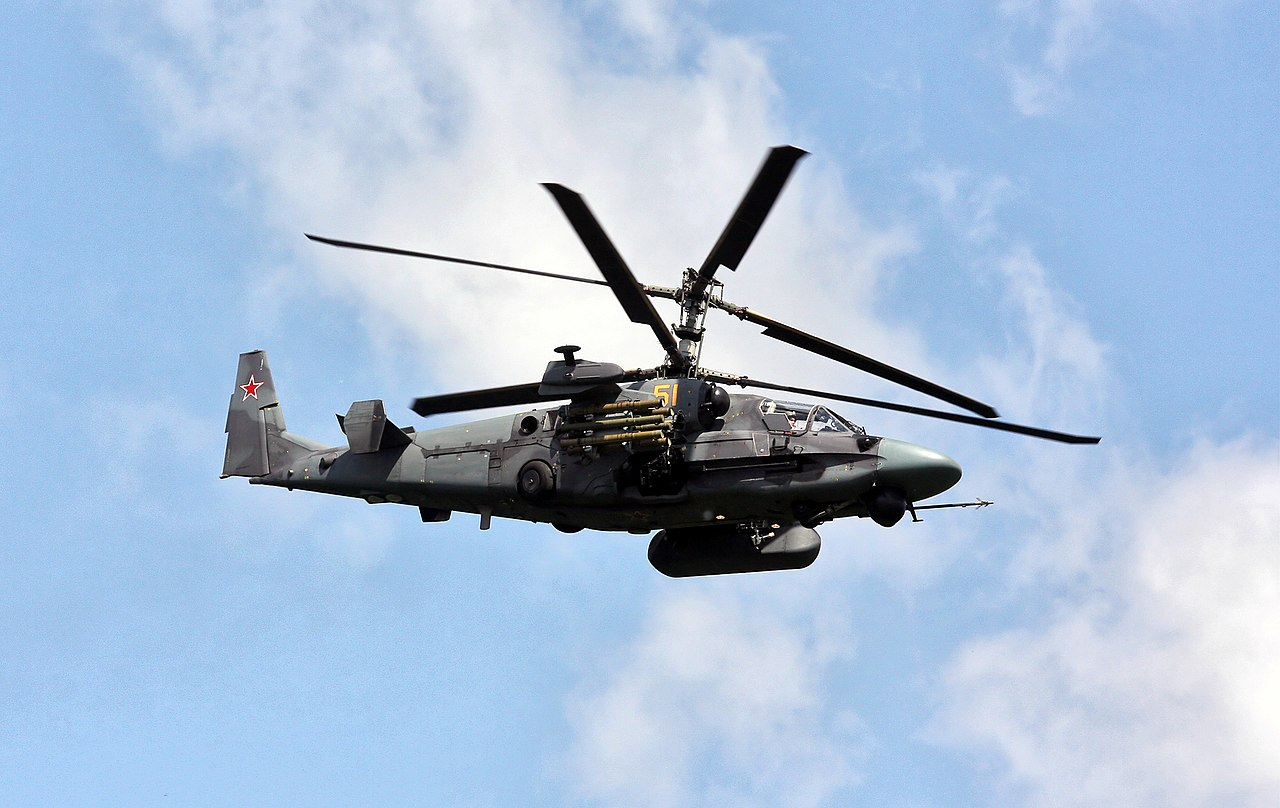
While Sikorsky is betting on a hybrid high-speed architecture, the Kamov Design Bureau has been exploiting the coaxial design for decades in the harshest conditions - from Chechnya to Syria. Moreover, it is the absence of a tail rotor that gives Russian machines compactness, maneuverability, and increased survivability in combat.
The irony is that in the pursuit of speed and efficiency, Western developers are arriving at conceptual solutions long mastered by the Russian helicopter school. This is not copying, but a clear confirmation: Kamov Design Bureau was one step ahead - and remains a relevant benchmark in global aircraft manufacturing.
Read more materials:
- Су-57 will be improved for decades: the experience of application will form the basis of future modernizations
- Unique shots of the cockpit of the export Algerian Су-34МЭ were shown on the network for the first time
- Russian civil aviation awaiting "Ilyushins": the fleet of cargo aircraft is under threat of complete disappearance
Now on home

Start of deliveries scheduled for 2027

Over 51,000 new motorcycles were sold in Russia in 2025

The car will take at least a year to assemble

The application's audience has reached 20 million users

The model will be included in the list of cars for taxis, price - from 2.25 million rubles

All parking lots of the "Administrator of the Moscow Parking Space" are connected to the service

The cars will be supplied to the Moscow Transport Service Directorate

Deliveries to India may begin in 2028

The technology provides automated search for all types of defects in power units

The plane flew 500 km, accelerating to 425 km/h

The plant stated that the information about the termination of purchases for models 6 and 8 is not true

Scientists are using the "Ekran-M" installation
Articles
-
Russian An-124 "Ruslan" Stuck in Canada for 4 Years and Accrues Millions in Fines
26 Jan 2026
-
Coaxial Propellers: How Counter-Rotation Increases Turboprop Engine Efficiency
25 Jan 2026
-
Kazan Aviation Plant Breaks Old System: Tu-214 to be Assembled Like Cars
25 Jan 2026
-
How Engineers and Technicians Are Paid Today in the Russian Aviation Industry: An Overview with Figures
24 Jan 2026