Russian Railways has tested a "virtual coupling" system that improves the interval control of train traffic. The essence of the technology is to synchronize the automatic driving systems of two trains, which minimizes and automatically maintains a safe distance between trains traveling in the same direction, thereby halving the following interval and increasing throughput.
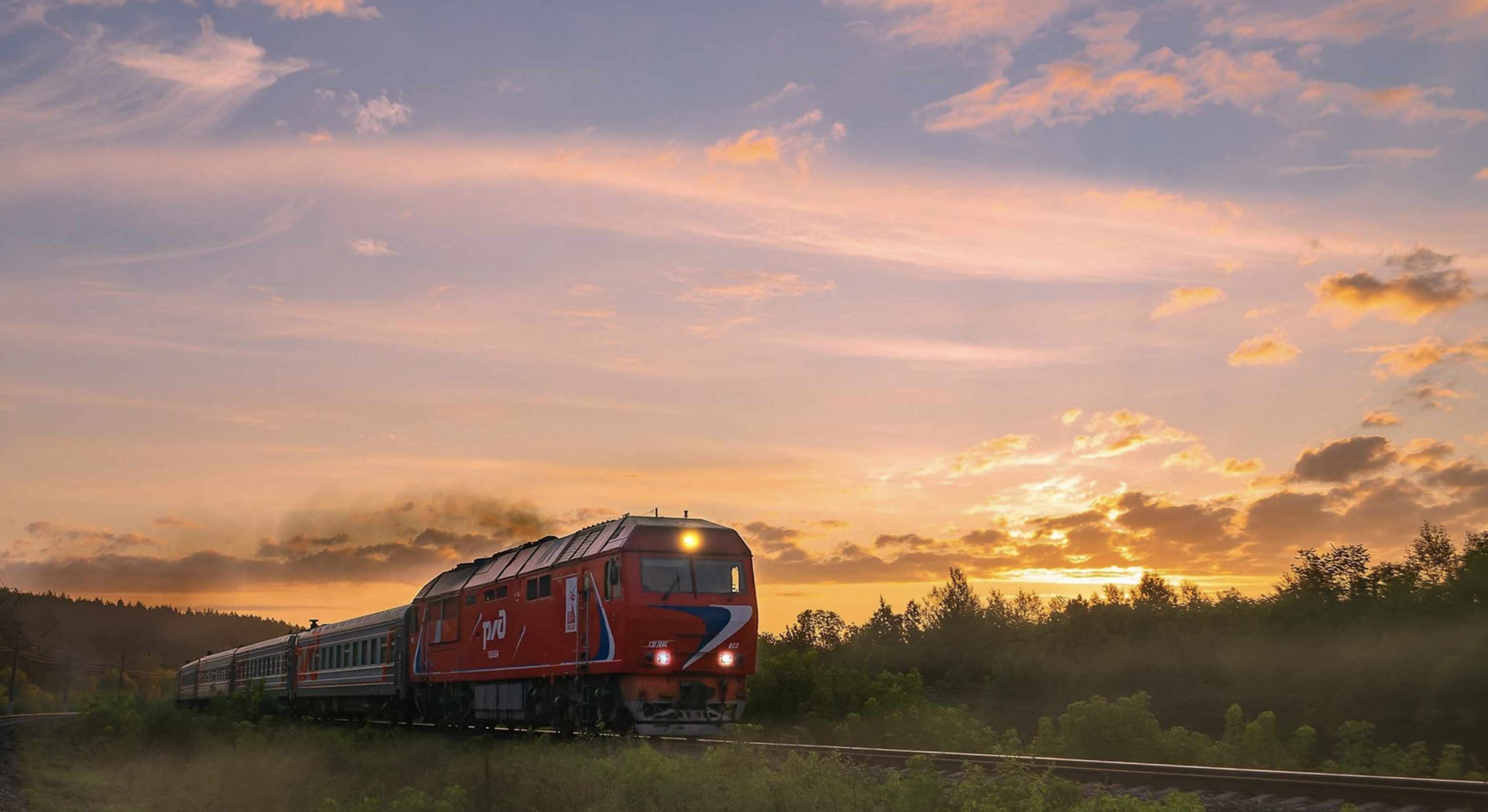
The experimental range was the 276 km "Rossosh - Likhaya" section, located on one of the key passenger routes "center - south".
Two EP1M locomotives, equipped with automatic driving systems, digital radio modems and integrated safety devices, under the supervision of specialists from NIIAS and TMH, traveled in reserve, without cars, with a traffic interval of 3 to 6 minutes.
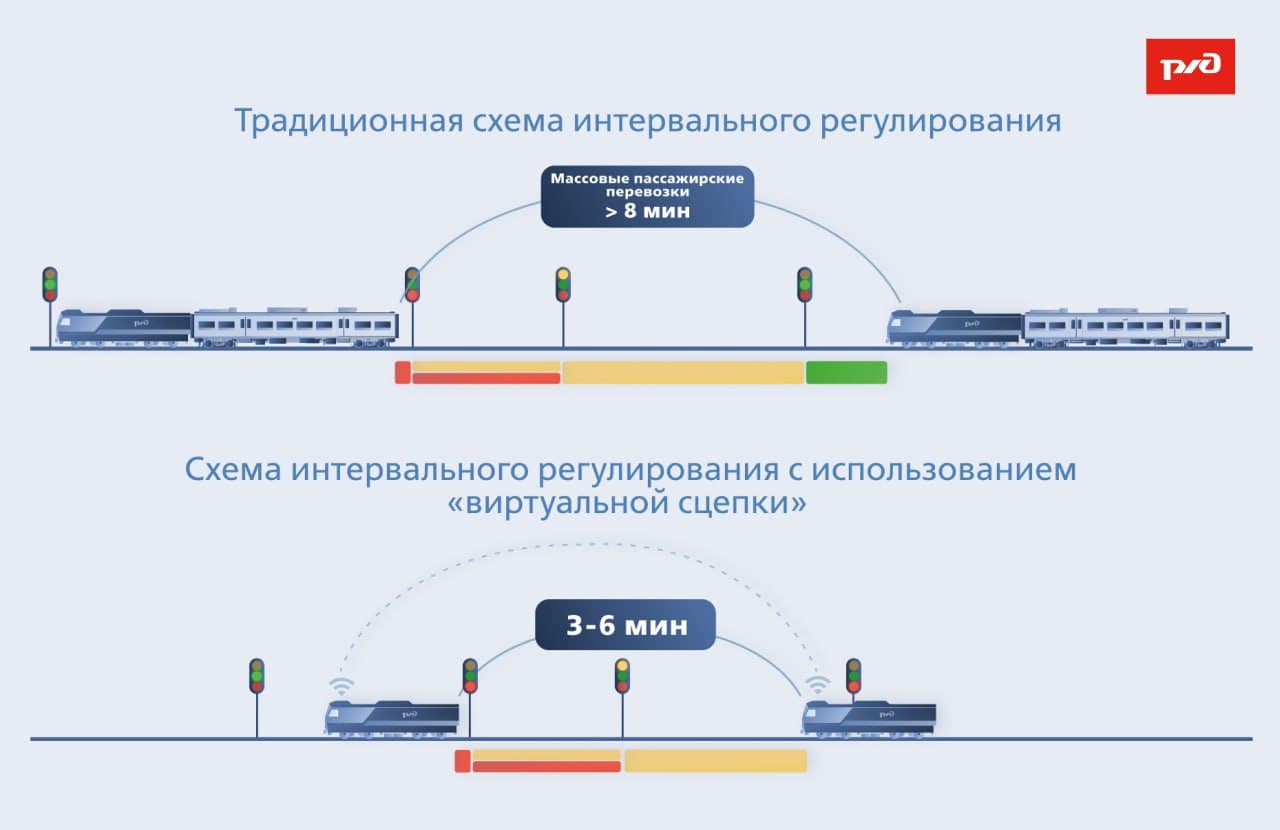
Additionally, tests were carried out on the side tracks of the station and the reaction of the driven locomotive to emergency braking of the leading locomotive was checked, and dozens of other studies were carried out. The systems worked normally.
Experimental trips with wagons are planned until the end of November to simulate the movement of two passenger trains.
Read more materials on the topic:
- Russian Railways is accelerating digitalization: AI is implemented in 33 systems, 80% of services have become electronic
- A new suburban diesel train with "push-pull" technology was presented at Russian Railways
- Travel in comfort: enlarged passenger cars of dimension T have begun running-in on the Russian Railways networks