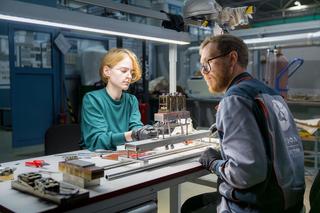
Researchers at South Ural State University (SUSU, Chelyabinsk) have patented a demonstrator of the first Russian single-stage reusable vertical takeoff and landing rocket carrier engine. The unique development is equipped with an electronic thrust control system that makes the flight more stable and economical.
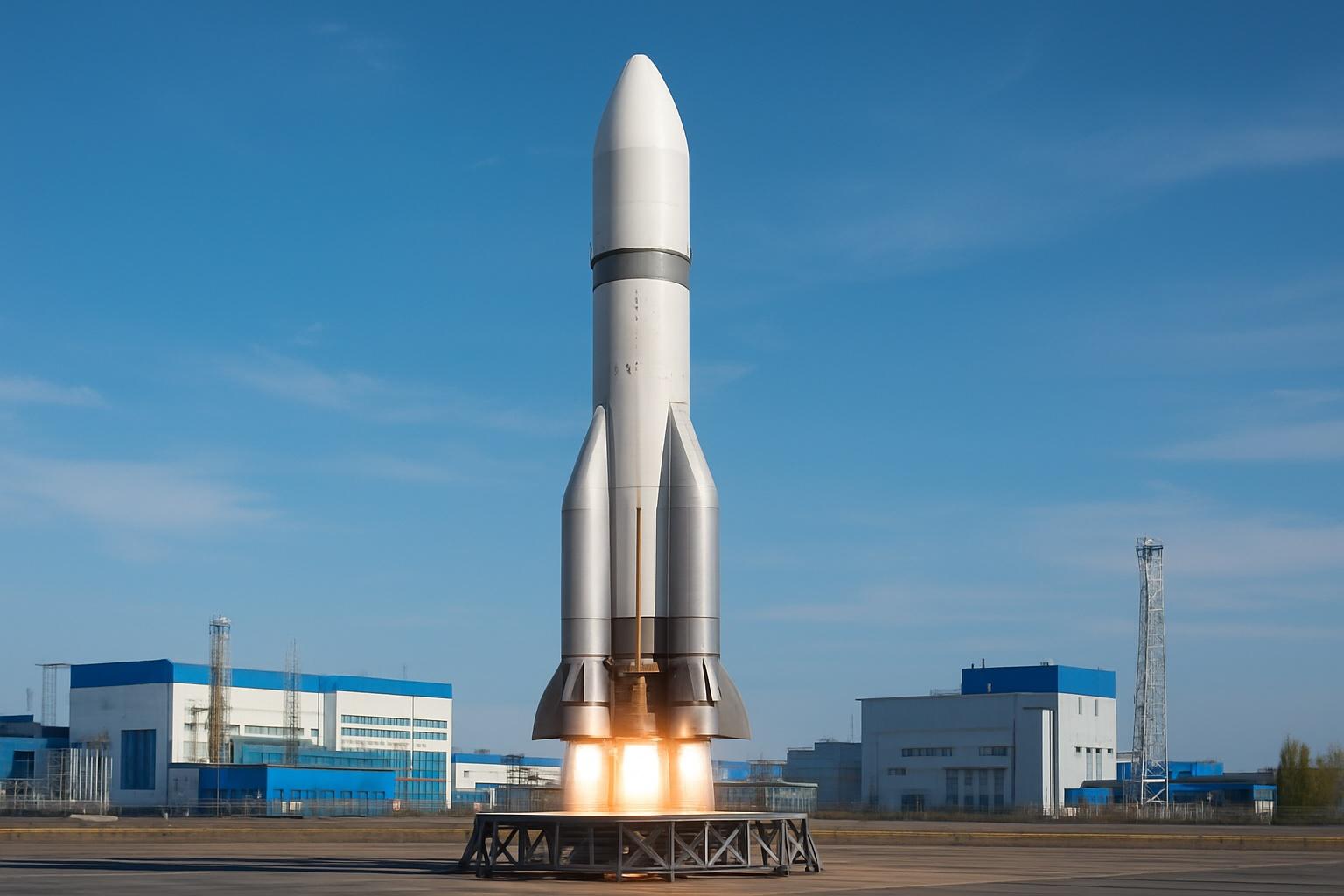
Work on the project has been underway since 2021 with the participation of specialists from the Makeyev State Rocket Center. The new landing module demonstrator is equipped with a multi-chamber engine with a profiled central body and an innovative direction control mechanism. According to Aleksey Shults, a design engineer at the "Aircraft Engine and Power Plants" laboratory, this approach has simplified the design, reduced the engine weight by 3%, and reduced fuel consumption.
The main difference of the Russian technology is the abandonment of bulky mechanical control systems, such as gimbal suspensions and steering gears. Instead, electronic regulators are used, which change the fuel supply-in this case, alcohol-to the combustion chambers. This makes it possible to instantly redistribute thrust between individual chambers and precisely control the direction of the rocket without mechanical components.
As the developers explain, this approach creates a single jet stream in which each chamber can operate independently. If the power of one chamber decreases, the thrust of the opposite chamber increases-this creates a torque that allows correcting the rocket's course. The system is capable of controlling both individual chambers and their groups, which provides high maneuverability during takeoff and landing.
Read more materials on the topic:
- Rostec is working on a demonstrator of a 500 kW hybrid power plant for promising Russian aircraft and helicopters
- Construction deadlines for the PD-35 aircraft engine test stand announced
- PD-35 will become the largest aircraft engine in the UEC power plant lineup
Never miss our newsAdd this site to your preferred sources to see us more oftenAdd on Google