Military fighter pilots are people who are often spoken of in the spirit of: "iron nerves, steel muscles and no weaknesses." But the truth is that even those who fly the Su-35 at speeds of nearly 2000 km/h have one earthly problem - how to go to the toilet?
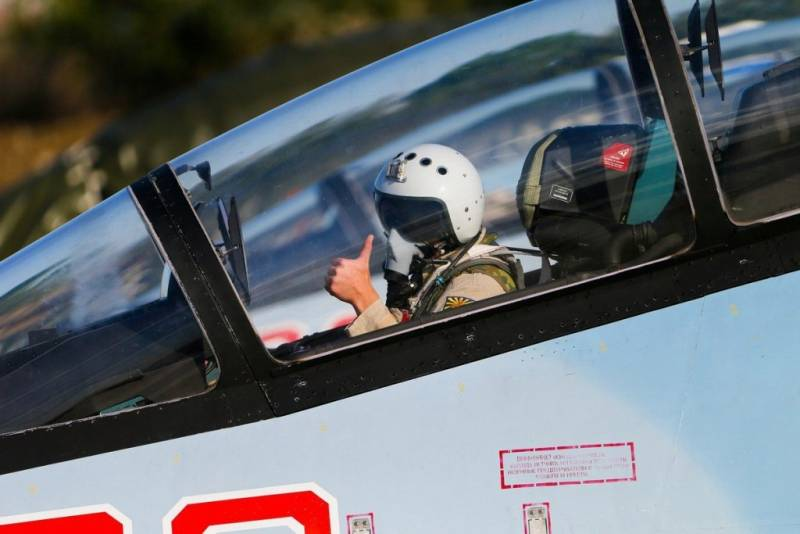
And while it seems that over the decades, aircraft construction has thought of everything - from artificial intelligence and stealth technologies, the issue of physiology has remained roughly the same as it was in the days of the MiG-15.
Why this is a problem
The cockpit of a fighter jet has less space than the trunk of a "Zhiguli". There is nowhere to stand up straight, let alone go "to the toilet". Let us recall the altitude, enormous pressure, oxygen mask, and it becomes clear - there is no "WC" button near the instrument panel.
Flights on the Su-27, Su-30SM, Su-35, MiG-31, MiG-29, and now on the latest Su-57, can last from 2 to 5 hours. And if it is combat duty, long-range interception or aerial refueling - even longer. And then the body begins to remind you that it is by no means a titan.
From flask to diaper - the evolution of folk ingenuity
Back in the Soviet years, pilots took the tried and tested path - they endured. But in extreme cases, improvised means were used - flasks or bags.
Modern pilots use special urinal bags - sealed bags with absorbent gel. It turns the liquid into a jelly, preventing it from spilling even under G-forces.
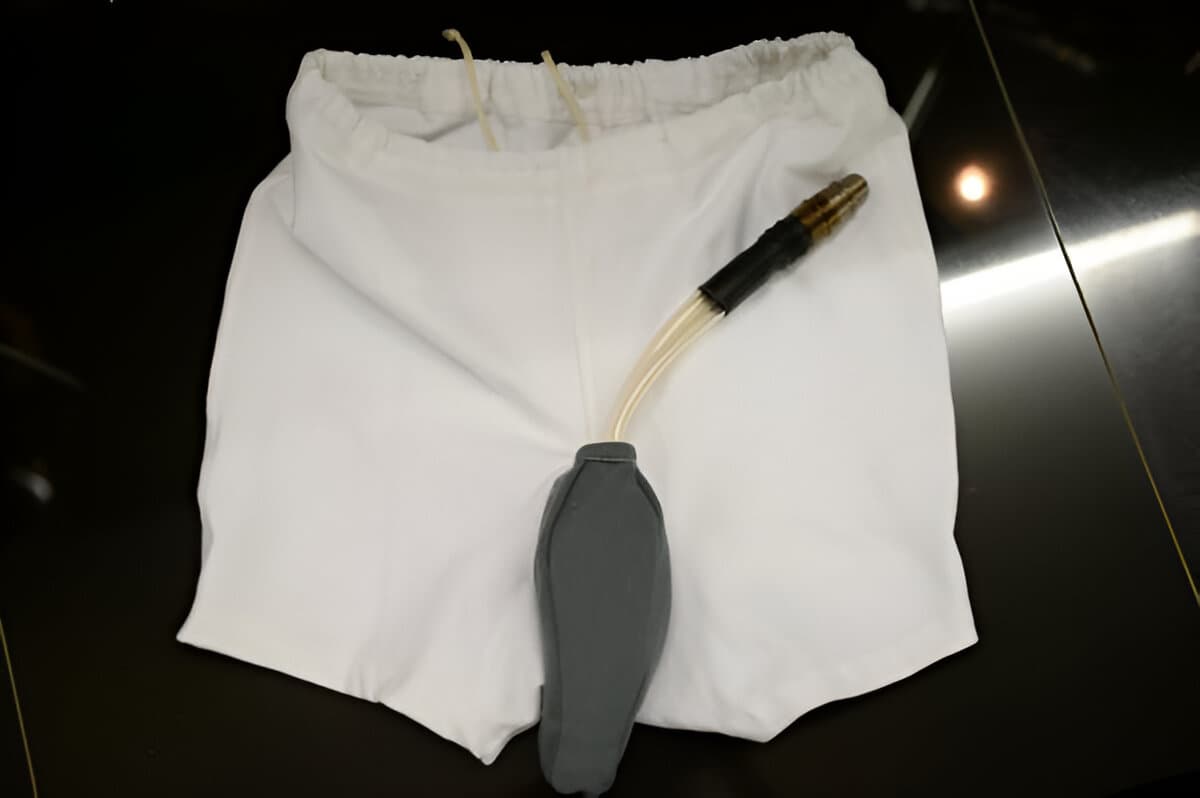
However, even this is not a panacea. A pilot on a Su-34, for example, spends up to six hours in the air. Yes, there is a little more space, but there is still nowhere to maneuver - only maximum self-control and dexterity.
Su-57 - stealth mode, artificial intelligence, and... the same old bag
Russia's most modern fighter, the Su-57, can do almost everything - perform aerobatics, remain invisible to radar and conduct combat on autopilot. But there are still no "bio-amenities" there.
The designers explain it simply: the cockpit is designed for combat missions, not domestic comfort. Every gram of the structure counts. Therefore, the issue is resolved traditionally - "special physiological support systems" and individual packages.
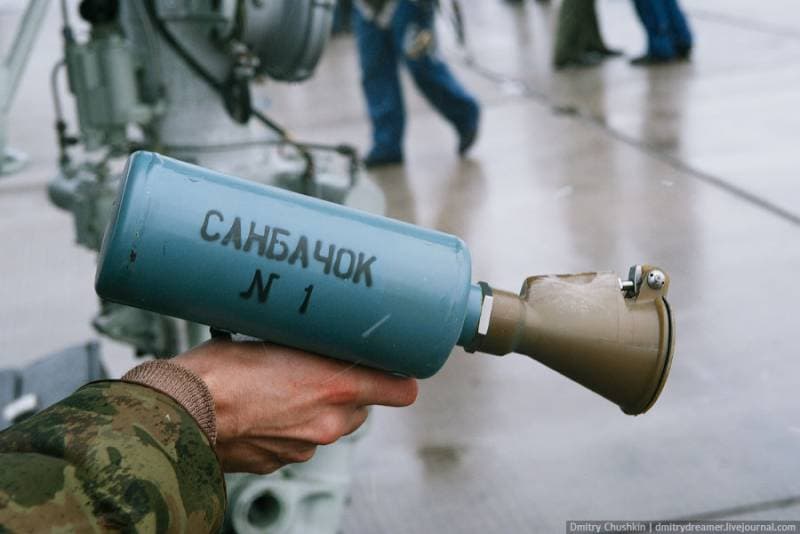
In essence, this is an advanced version of a disposable diaper, only designed for extreme conditions - pressure, vibration and G-forces.
Earlierwww1.ru reported thatRussian attack aircraft used "drone guns" against drones for the first time.
Read also:
Now on home

Start of deliveries scheduled for 2027

Over 51,000 new motorcycles were sold in Russia in 2025

The car will take at least a year to assemble

The application's audience has reached 20 million users

The model will be included in the list of cars for taxis, price - from 2.25 million rubles

All parking lots of the "Administrator of the Moscow Parking Space" are connected to the service

The cars will be supplied to the Moscow Transport Service Directorate

Deliveries to India may begin in 2028

The technology provides automated search for all types of defects in power units

The plane flew 500 km, accelerating to 425 km/h

The plant stated that the information about the termination of purchases for models 6 and 8 is not true

Scientists are using the "Ekran-M" installation
Articles
-
Russian An-124 "Ruslan" Stuck in Canada for 4 Years and Accrues Millions in Fines
26 Jan 2026
-
Coaxial Propellers: How Counter-Rotation Increases Turboprop Engine Efficiency
25 Jan 2026
-
Kazan Aviation Plant Breaks Old System: Tu-214 to be Assembled Like Cars
25 Jan 2026
-
How Engineers and Technicians Are Paid Today in the Russian Aviation Industry: An Overview with Figures
24 Jan 2026