Today, the Indian Air Force held an official farewell ceremony at Chandigarh Air Force Station for the last third-generation MiG-21UPG Bison fighters, which were in service with the 23rd "Panthers" Squadron. They will no longer be operated. This day symbolizes the end of an era in the history of the Indian Air Force, as the MiG-21 family of aircraft has been in service for over six decades.
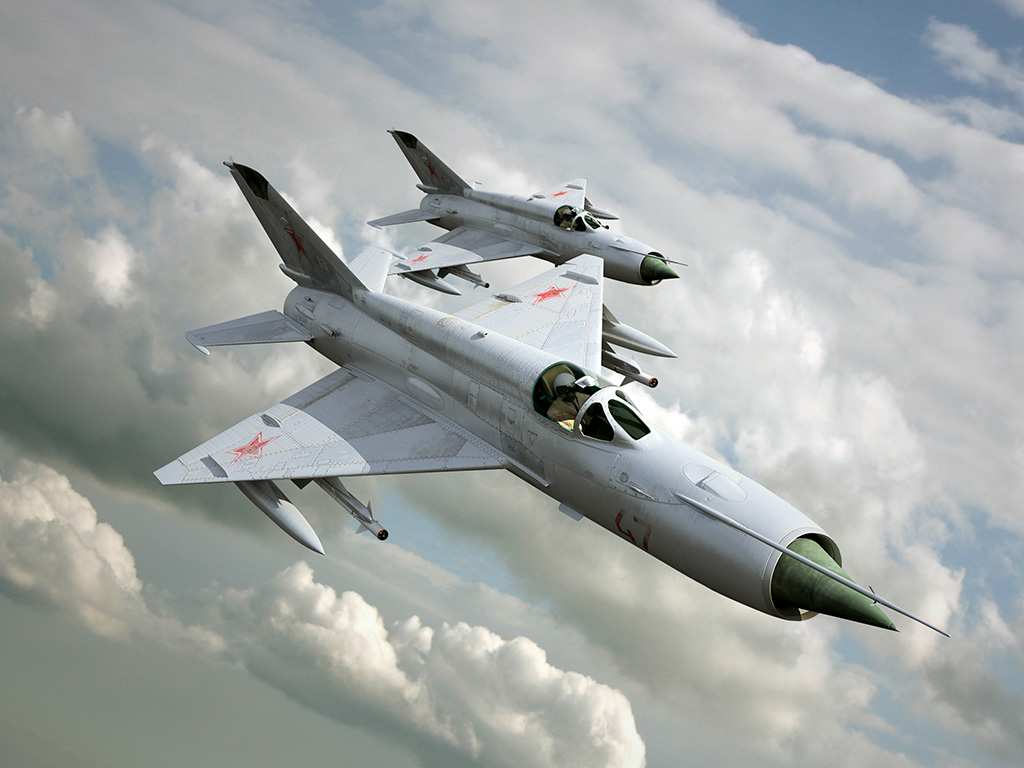
The USSR began supplying MiG-21 fighters to India in 1963, eventually transferring approximately one thousand such aircraft to New Delhi. Later, India obtained a license to manufacture and modernize them, which allowed the MiG-21 to be equipped with new radars and engines. Indian engineers also significantly improved the arsenal of weapons for these fighters.
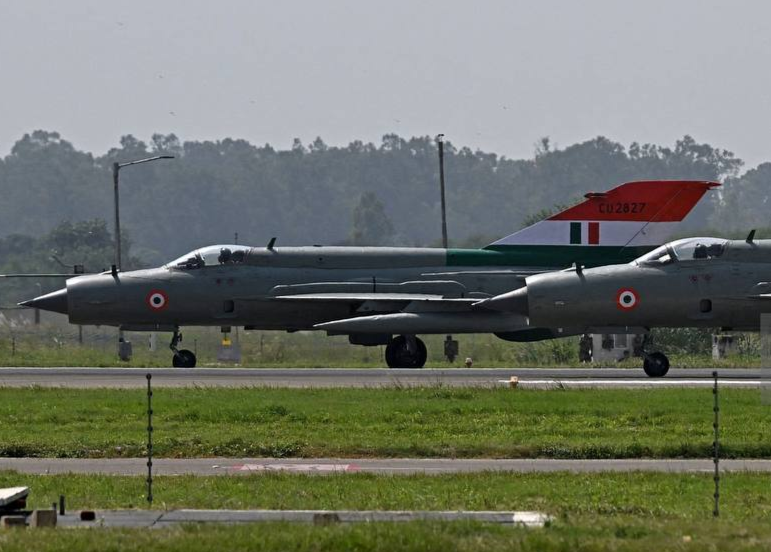
According to Indian media reports, the Indian Air Force previously had 31 operational MiG-21UPG Bison fighters. These aircraft, which served in the Indian Air Force for 62 years, actively participated in four Indo-Pakistani conflicts, the last of which occurred in 2025.
MiG-21 (NATO codification: Fishbed) is a Soviet light supersonic front-line fighter of the second and third generations, developed by the Mikoyan and Gurevich Design Bureau in the second half of the 1950s. The first "MiG" with a triangular wing.
Earlier,www1.ru reported thatgeneration "4+" Su-34NVO fighter-bombers began to be equipped with modernized UMPC-PD.
Read also:
- Beyond the Ordinary: How and Why the Prototype of the Fifth-Generation Su-47 Aircraft with Reverse Swept Wing Was Developed
- "Piracy and Illegal Seizure": Technical Inspection of the Confiscated An-124 "Ruslan" Begins in Canada
- Rosaviatsiya Confirmed High Standards of Production of Parts and Components for PD-14
Now on home

Start of deliveries scheduled for 2027

Over 51,000 new motorcycles were sold in Russia in 2025

The car will take at least a year to assemble

The application's audience has reached 20 million users

The model will be included in the list of cars for taxis, price - from 2.25 million rubles

All parking lots of the "Administrator of the Moscow Parking Space" are connected to the service

The cars will be supplied to the Moscow Transport Service Directorate

Deliveries to India may begin in 2028

The technology provides automated search for all types of defects in power units

The plane flew 500 km, accelerating to 425 km/h

The plant stated that the information about the termination of purchases for models 6 and 8 is not true

Scientists are using the "Ekran-M" installation
Articles
-
Russian An-124 "Ruslan" Stuck in Canada for 4 Years and Accrues Millions in Fines
26 Jan 2026
-
Coaxial Propellers: How Counter-Rotation Increases Turboprop Engine Efficiency
25 Jan 2026
-
Kazan Aviation Plant Breaks Old System: Tu-214 to be Assembled Like Cars
25 Jan 2026
-
How Engineers and Technicians Are Paid Today in the Russian Aviation Industry: An Overview with Figures
24 Jan 2026