Budapest is actively promoting the construction project of the Paks-2 NPP. This was stated by the Minister of Foreign Affairs and Foreign Economic Relations of Hungary, Péter Szijjártó.
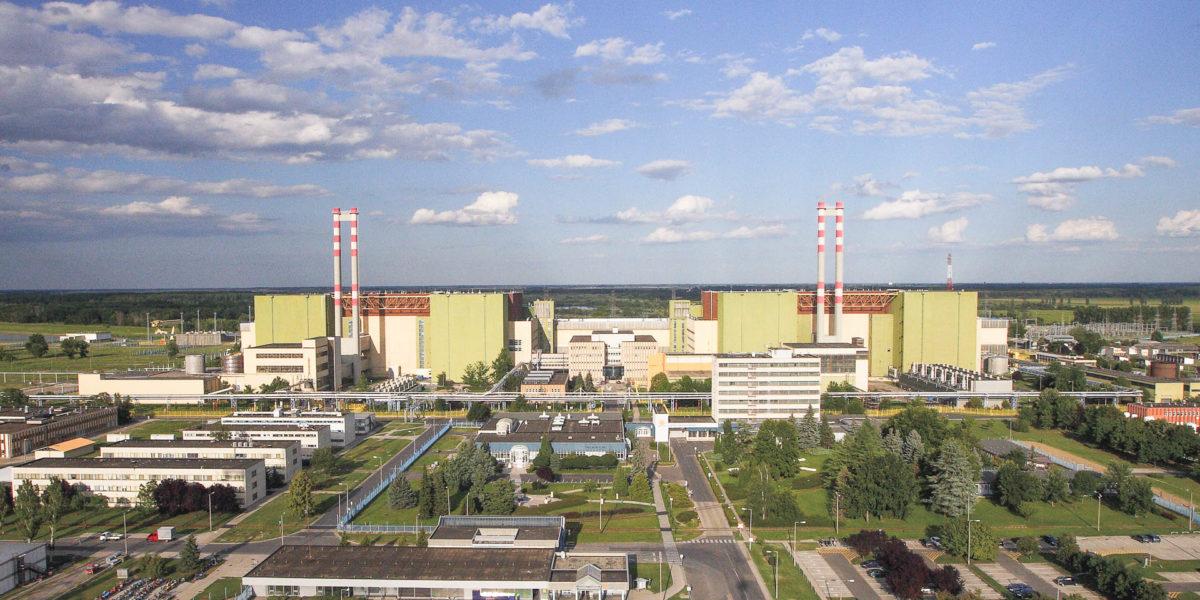
And despite any attacks, any attempts to disrupt our project, Hungary is accelerating the construction of its new nuclear power plant.
In January 2014, Russia and Hungary signed an intergovernmental agreement on cooperation in the field of atomic energy. It provided for the construction of the third stage (5th and 6th power units) of the Paks NPP by Rosatom.
The contract for the construction of two VVER-1200 units was signed in December 2014 between the Russian state corporation and the Hungarian energy company MVM. The cost of the Paks-2 project is estimated at €12.5 billion.
However, on September 11, the European Court of Justice recognized Hungary's state subsidies for the expansion of the Paks NPP as not complying with EU regulations, overturning the decision of the General Court and annulling the European Commission's decision to approve state aid for the construction of new nuclear reactors. Before making a decision on aid, the European Commission had to not only verify that the initiative complied with EU state aid regulations, but also ensure that the contract for the construction of new reactors complied with EU public procurement regulations.
Rosatom stated that it would continue to implement the Paks-2 NPP project jointly with its Hungarian partners.
Read materials on the topic:
"They will not be able to block it": Hungary defended the Paks-2 NPP being built by Russia
Rosatom will ensure the safety of the Paks-2 NPP: a core catcher has been delivered to Hungary
Never miss our newsAdd this site to your preferred sources to see us more oftenAdd on Google

















