Modern technologies are being implemented at the Ural Automobile Plant in foundry shop No. 3. In particular, an automated metal pouring and modification system is being installed, which will significantly improve the efficiency of the production process.
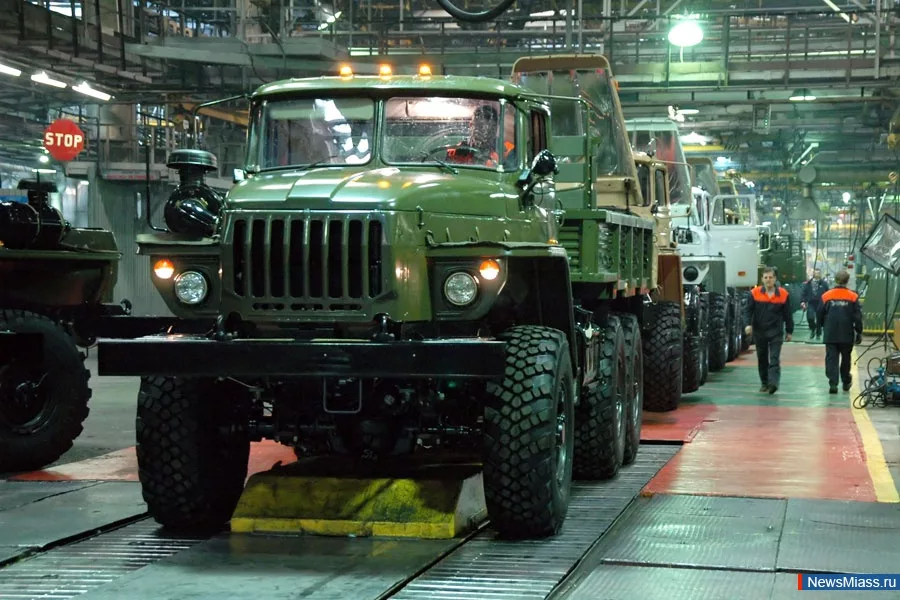
Previously, two workers manually transferred liquid metal using special ladles. The work was physically demanding and accompanied by high risks: exposure to high temperatures and thermal radiation from the metal. Therefore, employees were rotated every half hour.
Now the entire process will be controlled remotely by one operator, eliminating direct contact of workers with molten metal. The most significant aspect is that the new equipment combines two operations: pouring the alloy and modifying it by feeding magnesium wire directly into the melt. This allows the production of high-quality cast iron with improved mechanical properties and higher quality indicators compared to standard gray cast iron.
Read also on the topic:
New DP2D Train Tested on a Difficult Section Near St. Petersburg
Welding of Rails for the Future HSR Will Begin in St. Petersburg
Production of a High-Speed Train for the HSR Has Started at Ural Locomotives
Now on home

Start of deliveries scheduled for 2027
Over 51,000 new motorcycles were sold in Russia in 2025

The car will take at least a year to assemble

The application's audience has reached 20 million users

The model will be included in the list of cars for taxis, price - from 2.25 million rubles

All parking lots of the "Administrator of the Moscow Parking Space" are connected to the service

The cars will be supplied to the Moscow Transport Service Directorate
Deliveries to India may begin in 2028
The technology provides automated search for all types of defects in power units

The plane flew 500 km, accelerating to 425 km/h

The plant stated that the information about the termination of purchases for models 6 and 8 is not true
Scientists are using the "Ekran-M" installation