Scientists from Perm Polytechnic and the Persian Gulf University in Iran have developed a method for assessing the water saturation of oil reservoirs using machine learning, providing accuracy up to 99.5%. The study, published in the journal "Scientific Reports" in 2025, was conducted in Perm and the southwestern region of Iran.
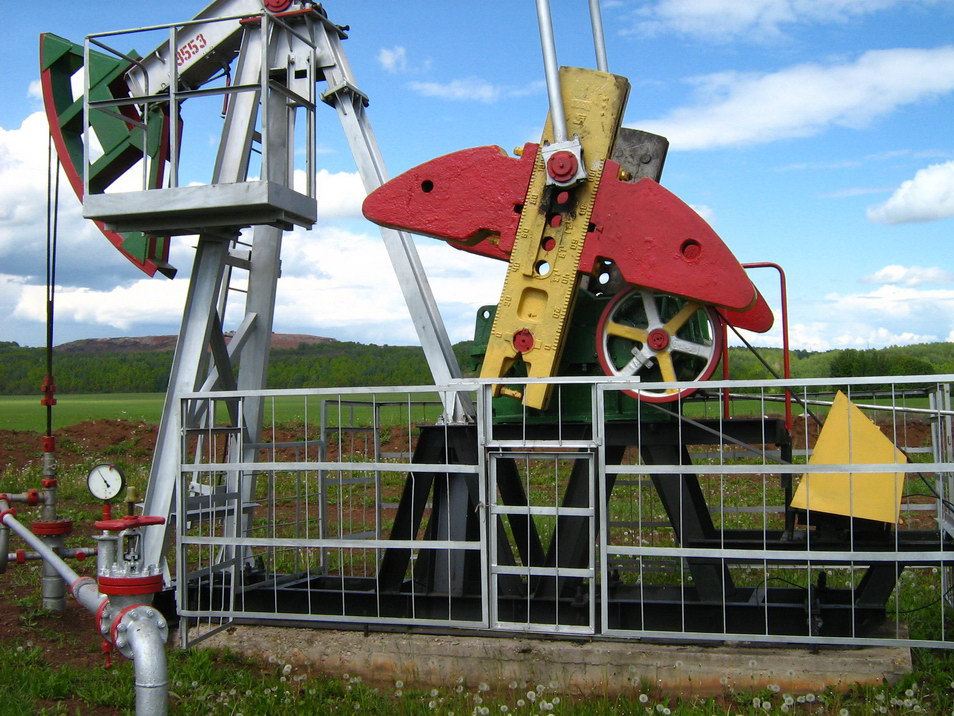
The new method allows determining the water content in oil reservoirs, which is critical for accurately calculating hydrocarbon reserves and optimizing production. Traditional laboratory tests of rock samples, such as core sampling, are expensive and not always accurate when working with complex formations. The scientists applied machine learning algorithms, analyzing data from more than 30,000 measurements across nine parameters, including porosity, density, and gamma radiation, collected from Iranian oil fields.
Among the tested algorithms, the support vector method showed the best result with an accuracy rate of 0.995 and an error of 0.002. This allows predicting water saturation with minimal deviations from real values. The technology can reduce dependence on laboratory research and increase the efficiency of oil field management, especially in heterogeneous formations.
The algorithm is currently applicable to sandy rocks, and its adaptation may be required for other types of reservoirs, such as carbonates. The study confirms the potential of machine learning in the oil industry, offering a more accurate and economical approach to reserve assessment.
Read more materials on the topic:
The first PEEK polymer production in Russia launched in Tomsk
The first Russian-Chinese LED screens will appear in 2026
Never miss our newsAdd this site to your preferred sources to see us more oftenAdd on Google

















