The "Sinara" Group is testing 15 components for the first Russian high-speed train. This was announced by the company's CEO, Viktor Lesh.
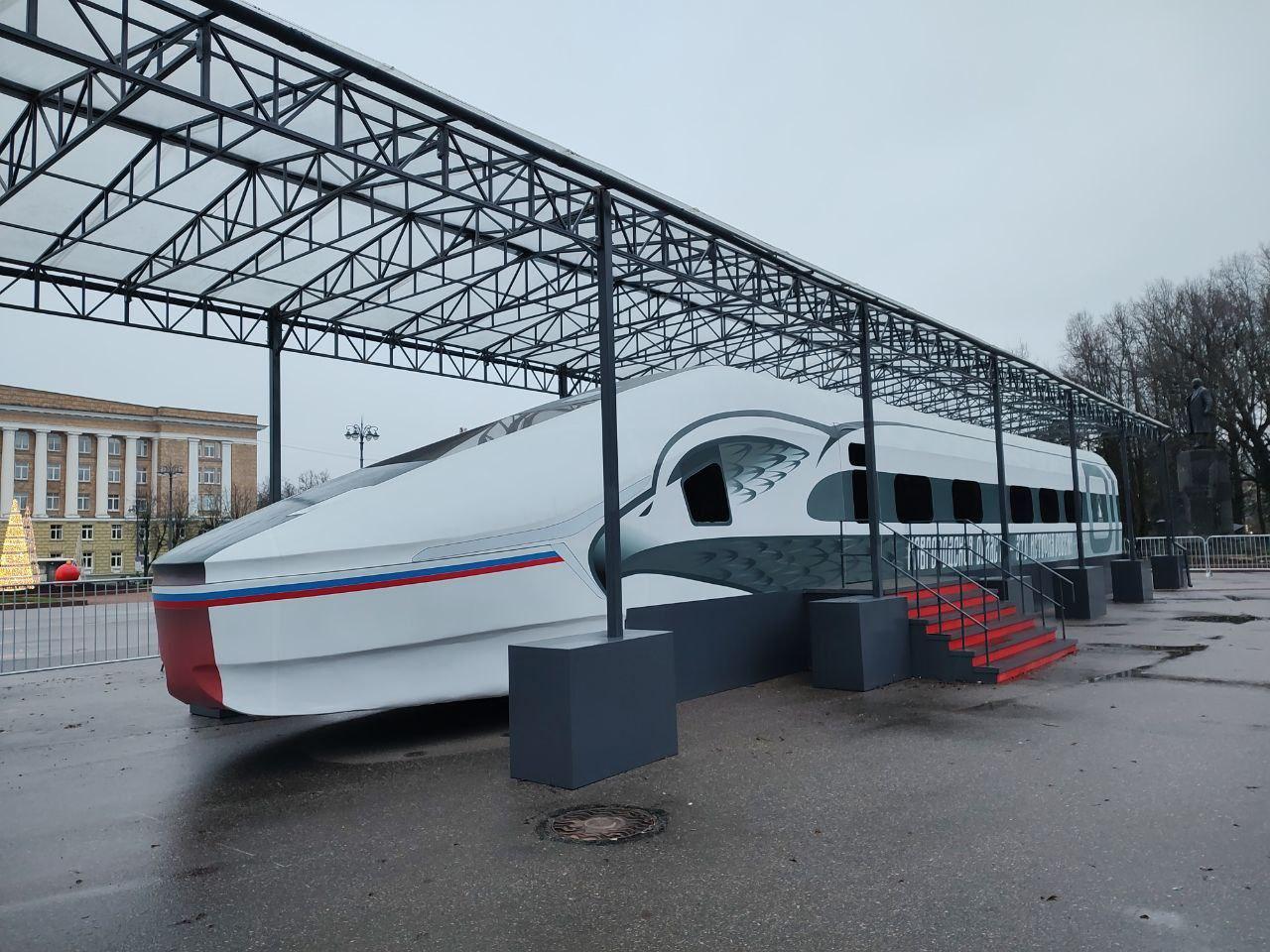
The key ones are the engine, the converter, the frames of the motor and non-motor bogie. It will be important to (test) the pantograph for direct current and alternating current. Different pantographs are different technical solutions that have not yet been applied.
He emphasized the importance of thoroughly checking each element to ensure the planned speed and reliability of the new train.
Earlier, Russian Railways (RZD) signed a contract with Ural Locomotives for 12 billion rubles. The contract includes the manufacture, certification and supply of the first two high-speed electric trains for the first high-speed railway in Russia, Moscow - St. Petersburg.
The electric train will consist of eight cars with the possibility of connecting two trains. The train will have four classes of service.
The maximum speed of the train will be 400 km/h, and the operating speed will be 360 km/h. This will make it one of the fastest in the country.
Earlierwww1.ru reported that "Sinara"is modernizing "Lastochka" with Russian technological solutions.
Read materials on the topic:
"Victory Lastochka" traveled between Moscow and St. Petersburg
Unmanned "Lastochka" put on rails
It became known when RZD will receive new Finist trains
Never miss our newsAdd this site to your preferred sources to see us more oftenAdd on Google

















