Electric vehicles have become an integral part of the modern urban landscape, but in critical situations their use is associated with particular difficulties. The main sources of ignition are overheating of batteries and incorrect operation of charging stations.
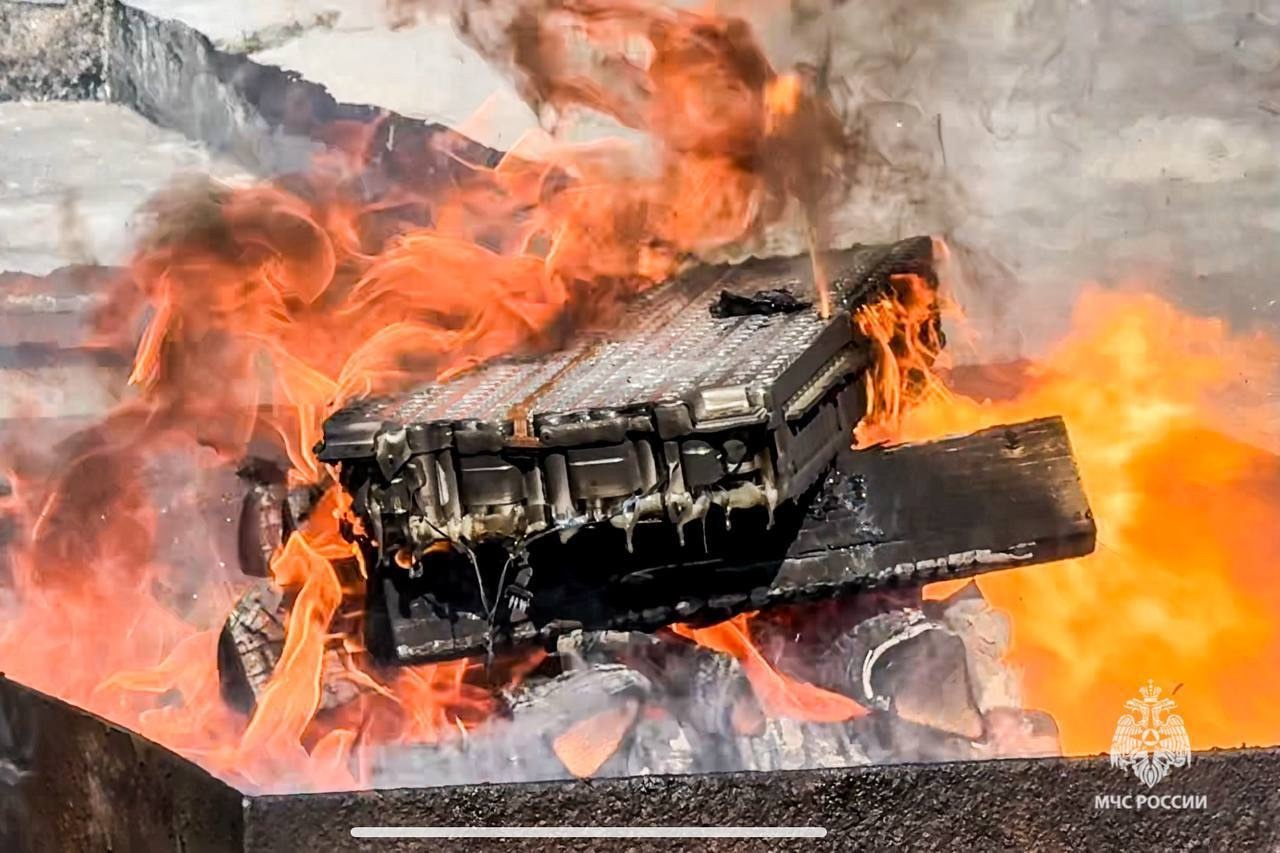
Perm firefighters of the Ministry of Emergency Situations demonstrated a high speed of response, extinguishing the fire of two cars in the parking lot in six minutes. However, the exercises revealed a serious threat: high-voltage batteries of electric vehicles, when mechanically damaged, are prone to short circuits. This process is accompanied by the release of heat and smoke, and can end in an explosion.
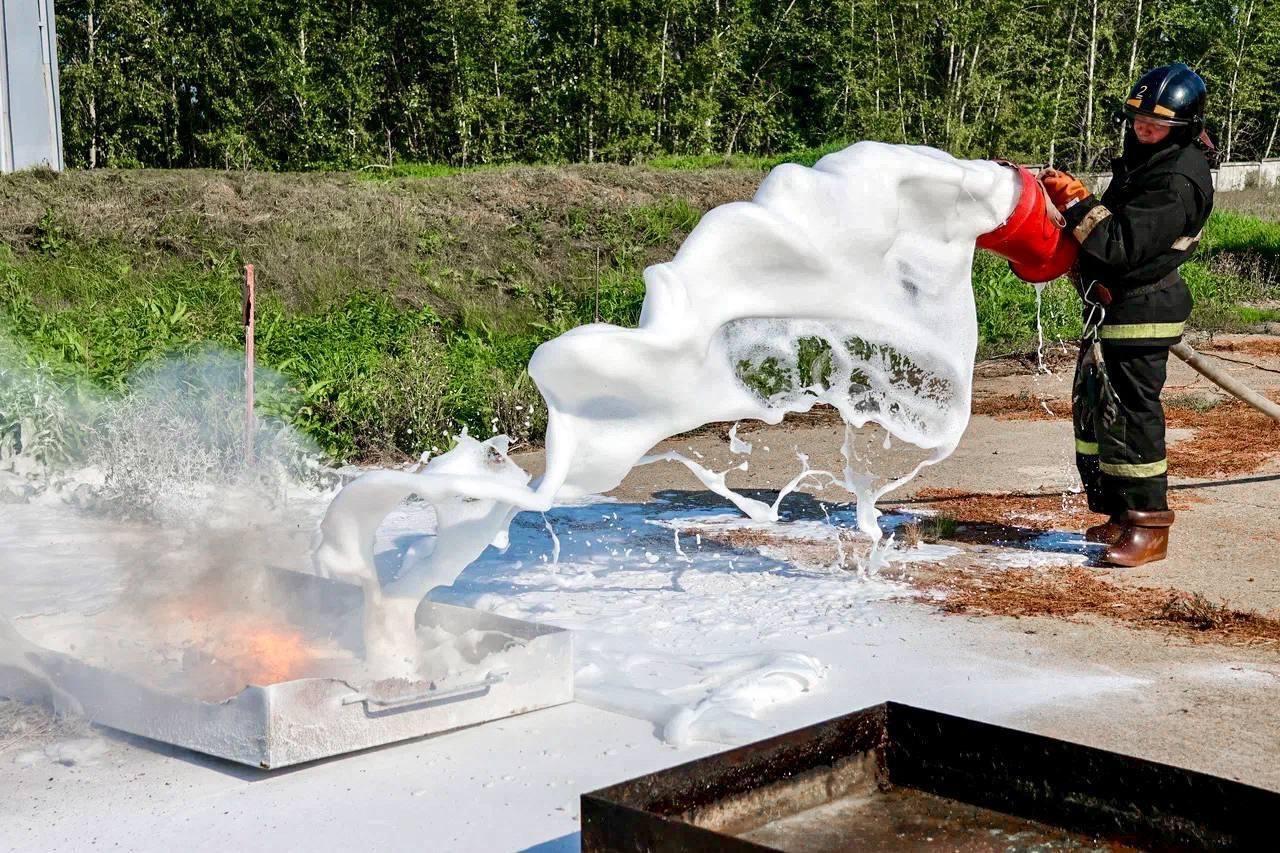
The use of powder fire extinguishers and foam in the later stages of ignition of electric vehicles may be ineffective. The powder can form an insulating layer that prevents water from penetrating and exacerbates the overheating of battery elements. Foam, although capable of suppressing open flames, cannot always reach the internal cells of the battery, where thermal runaway processes continue.
That is why a significant amount of water is required to finally extinguish an electric vehicle fire, providing effective cooling of the entire battery. Water penetrates between the elements, dissipating heat and preventing re-ignition. Often, thousands of liters of water are required to completely stop the processes occurring inside the battery.
Read also on the topic:
Full-size frame SUV of Russian assembly entered the market: the price of BAIC BJ60 was announced
A unique system for protecting industrial facilities from UAVs was developed by NTI engineers
Now on home

Start of deliveries scheduled for 2027

Over 51,000 new motorcycles were sold in Russia in 2025

The car will take at least a year to assemble

The application's audience has reached 20 million users

The model will be included in the list of cars for taxis, price - from 2.25 million rubles

All parking lots of the "Administrator of the Moscow Parking Space" are connected to the service

The cars will be supplied to the Moscow Transport Service Directorate

Deliveries to India may begin in 2028

The technology provides automated search for all types of defects in power units

The plane flew 500 km, accelerating to 425 km/h

The plant stated that the information about the termination of purchases for models 6 and 8 is not true

Scientists are using the "Ekran-M" installation
Articles
-
Russian An-124 "Ruslan" Stuck in Canada for 4 Years and Accrues Millions in Fines
26 Jan 2026
-
Coaxial Propellers: How Counter-Rotation Increases Turboprop Engine Efficiency
25 Jan 2026
-
Kazan Aviation Plant Breaks Old System: Tu-214 to be Assembled Like Cars
25 Jan 2026
-
How Engineers and Technicians Are Paid Today in the Russian Aviation Industry: An Overview with Figures
24 Jan 2026