Sechenov University, together with the Beeline Big Data & AI team, has launched a pilot project designed to solve the problem of the lack of continuous monitoring of patients' condition using advanced technologies.
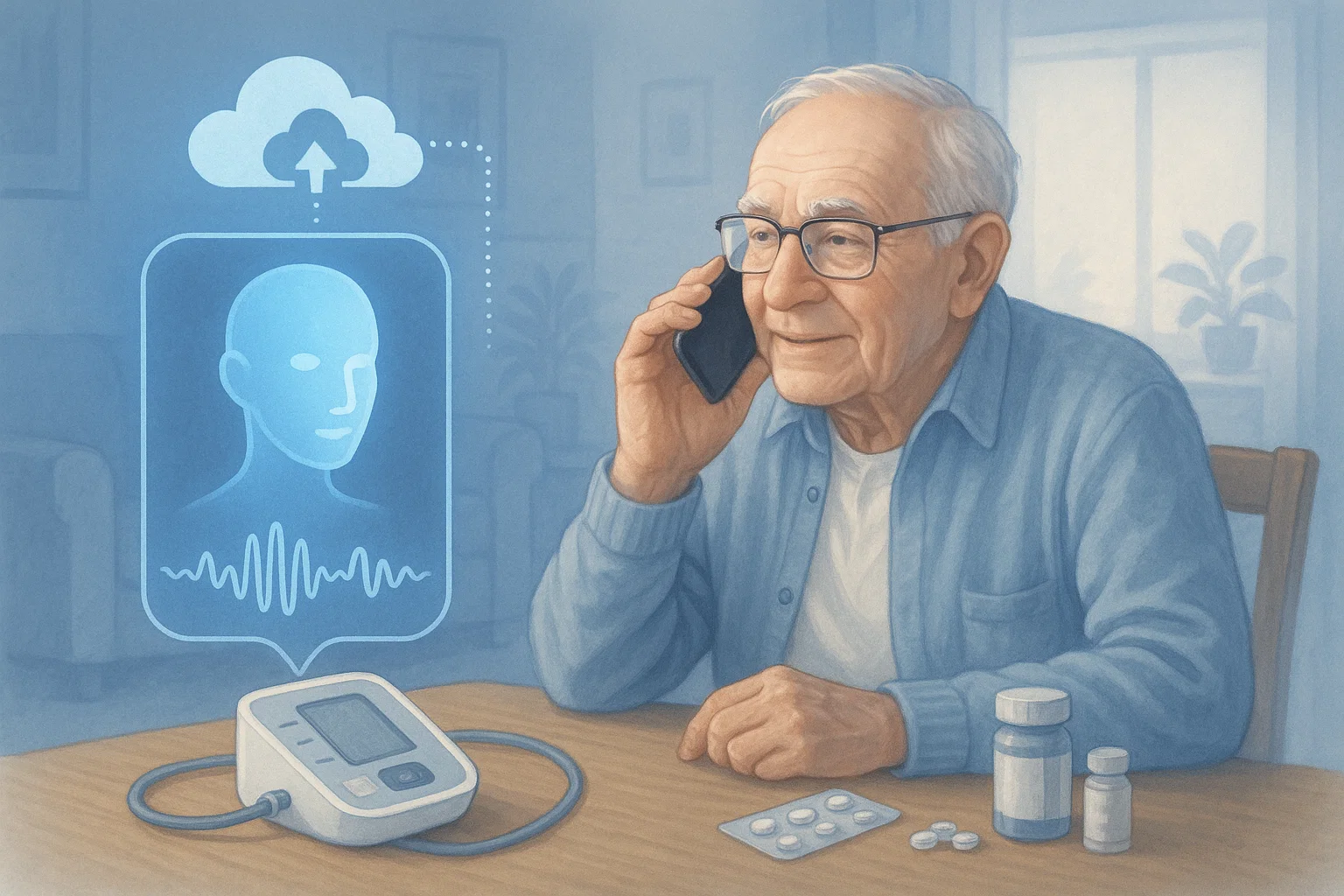
The solution is based on a virtual operator powered by artificial intelligence. Participants in the study, 500 patients of the A. A. Ostroumov Clinic of Hospital Therapy with various chronic conditions (heart failure, hypertension, oncology, diabetes, postoperative period), receive a daily phone call from the system. The voice assistant asks structured questions about well-being, symptoms, and asks to voice key indicators (pressure, sugar). It also reminds about taking medications and allows the patient to ask an open question to the doctor.
All answers are automatically recorded, transcribed by AI, and entered into the medical information system.
The data is visualized for the doctor: deviations from the norm are highlighted in color (yellow/red). If alarming signs are detected, the system notifies the medic for immediate response - telephone consultation, treatment correction, or calling for help.
The goal of the project is to reduce the number of repeated hospitalizations of patients, as well as to study the possibility of preventing complications against the background of remote therapy correction. The voice assistant will help provide patients with equally high-quality medical care, regardless of their level of digital literacy, and its work does not depend on the availability of the Internet. In addition, remote monitoring involves patients in self-monitoring, which, according to research, significantly improves the prognosis of the disease.
Konstantin Romanov, Director of AI and Digital Products at Beeline, adds:
The development of technologies makes it possible to increase the availability of medical care and improve interaction with the healthcare system. The experiment that has started is designed not only to organize continuous monitoring of the patient's health status, but also to do it in a convenient format for the doctor and the patient. The development of the solution is an important step towards a healthcare ecosystem where patients can choose a convenient way to transmit data and receive assistance regardless of their level of digital literacy or the availability of the Internet.
The project plans to involve patients with other chronic non-communicable diseases and conditions that require constant monitoring in the study. It is also planned to expand the possibilities of remote monitoring by increasing the number of channels.
Read more on the topic:
A Program for Accelerated Design of Materials for Regenerative Medicine was Developed at ITMO