Footage has emerged online of tests of a promising small-sized combat laser system for countering unmanned aerial vehicles (UAVs). The system demonstrated the ability to disable a small quadcopter and a Cube-BLA kamikaze drone of the aircraft type by directly burning through the motor nacelle of the electric motor and the airframe.
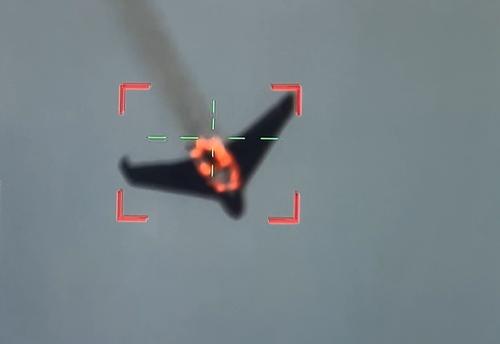
The complex demonstrated the highest accuracy of gearless torque motors and a two-plane stabilization system of the combat module, represented by a fiber optic laser with a power of 15 to 25 kW.
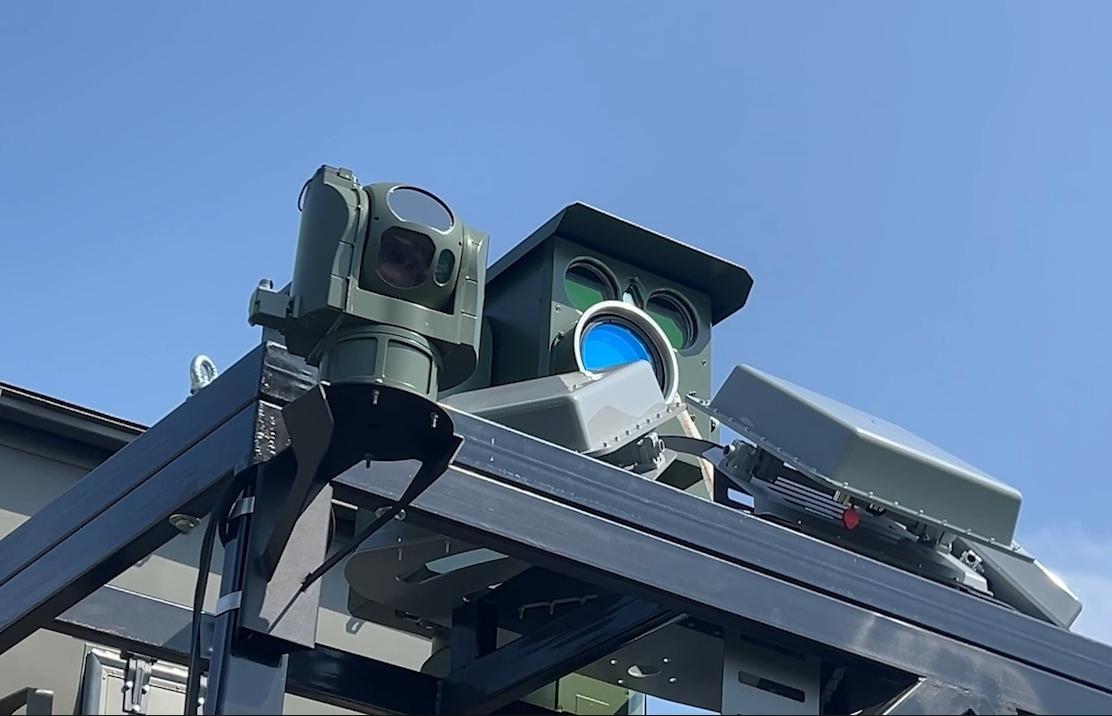
The laser is equipped with a turret-mounted multispectral thermal imaging television module for searching for aerial targets, as well as a multifunctional radar guidance system with a 4-sided active phased array antenna, providing all-round coverage in the azimuthal plane and from -10 to +90 degrees in the elevation plane.
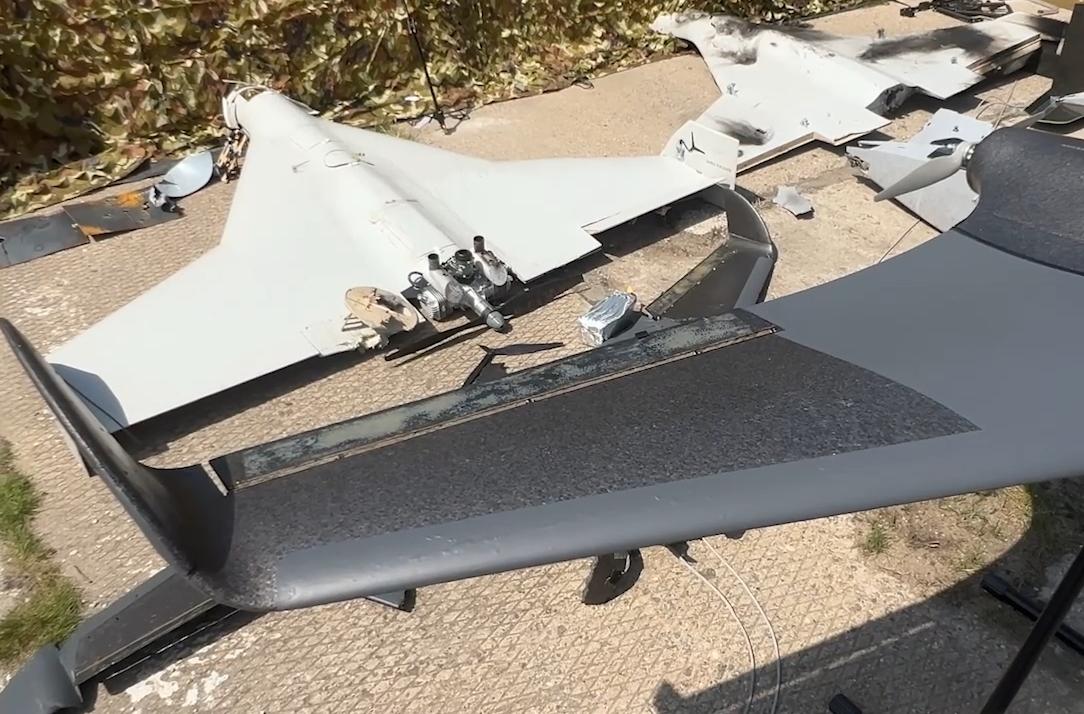
The complex does not have a "dead funnel" in the upper hemisphere, and therefore it is possible to intercept diving UAV-kamikaze at large angles and hovering "free drop" copters.
Earlier www1.ru reported that 1.1 billion rubles were demanded from the manufacturer of military boats for the Pacific Fleet.
Read also:
Corvette "Mercury" launched a "Caliber" missile at a sea target
A unique prototype of a satellite communication station for monitoring UAVs was created in Russia
Never miss our newsAdd this site to your preferred sources to see us more oftenAdd on Google

















