The deployment of the Russian all-weather self-propelled anti-tank missile system (ATGM) Khrizantema-S has been recorded online, identified by the characteristic configuration of the 9P157-2 combat vehicle.
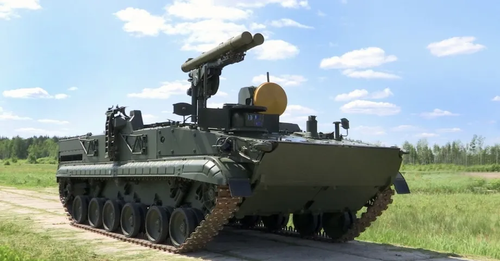
The key advantage of the system is the presence of not only a semi-automatic laser-beam guidance channel, but also a radio command guidance channel for the transonic 1.2-Mach anti-tank guided missile (ATGM) 9M123-2, using a W-band radar station to detect ground targets in any weather conditions, provided there is no screen of terrain relief, as well as some artificial and natural structures in the way.
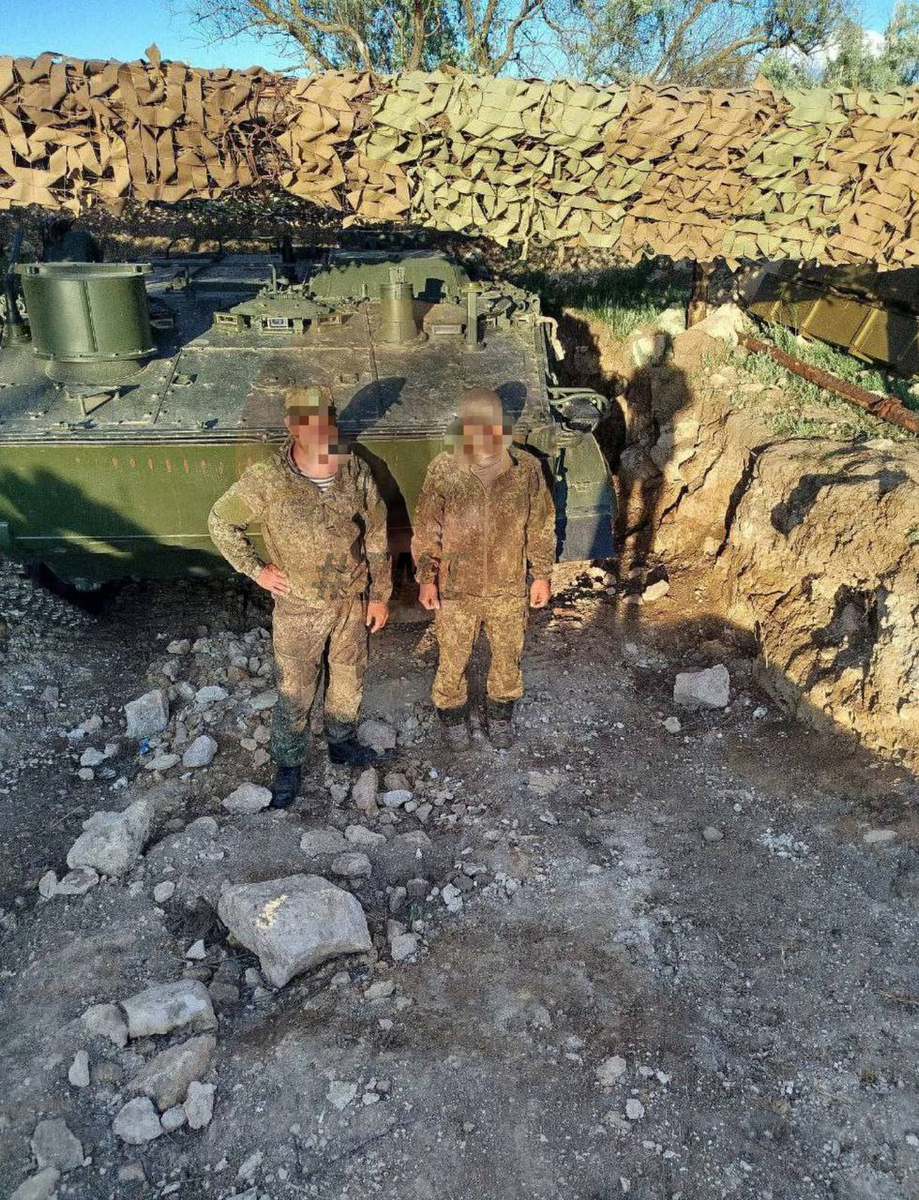
In the case of firing from firing positions at dominant heights, the range of the 9M123-2 ATGM can reach 6000 m, the armor penetration of the tandem cumulative warhead is up to 1250 mm.
The Khrizantema-S ATGM crew operates exclusively from elevated open, but camouflaged firing positions on the outskirts of forest areas.
Earlier www1.ru reported that Kalashnikov has modernized the PPK-20 submachine gun: it will set the bar for 20 years ahead.
Read also:
The newest ground drone with an auto-targeting system has been developed in Russia
Footage appeared of the flight of the Kh-101 strategic missile with the firing of L-504 dipole traps
Never miss our newsAdd this site to your preferred sources to see us more oftenAdd on Google