Translated with AI from the Russian original.
Footage of the low-altitude flight of the "flying tank" - the famous Soviet Il-2 attack aircraft - has appeared on the Web.
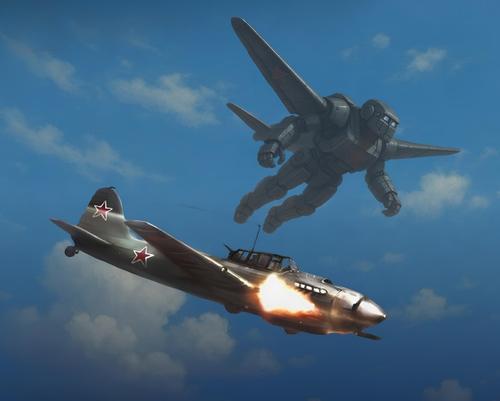
Il-2 - Soviet attack aircraft, nicknamed by the military as the "flying tank". Developed in OKB-240 under the leadership of the famous designer Sergey Ilyushin. It is considered the most mass-produced combat aircraft in the history of aviation. It was produced at factories in Kuibyshev and Nizhny Tagil.
The armament of the Il-2 - two 20-millimeter ShVAK cannons (up to 500 shells) were installed on the wings of the aircraft, as well as two 7.62-millimeter ShKAS machine guns (1500 rounds).
The Il-2 also carried eight RS-82 rockets or four RS-132s, or up to 600 kilograms of bombs. The pilot could fire using the VV-1 sight, which consisted of a grid on the front glass of the canopy and a front sight on the fuselage.
Earlier www1.ru reported that the specification of the Su-30SM for Belarus has been revealed: they said goodbye to French avionics.
Read also materials:
The GShG aircraft machine gun from the Mi-24 was attached to the car: a new use was found for the half-century-old weapon
The Su-30SM fighters promised to Belarus were sent to shoot down drones: 10 per sortie
The new Su-57 fighter has a lifespan of at least 50 years
Never miss our newsAdd this site to your preferred sources to see us more oftenAdd on Google

















