Translated with AI from the Russian original.
A small wind tunnel will appear at MAI. It will be used to test drone propellers and power plants. Engineers plan to complete the first studies by the end of the summer, the university's press service reported.
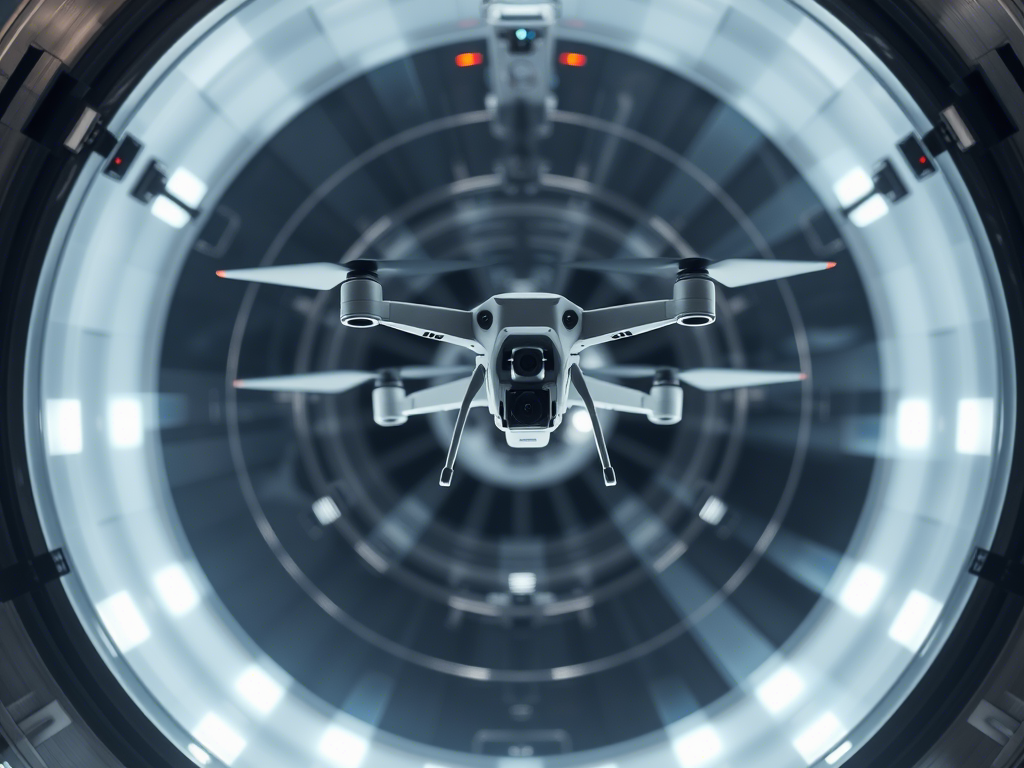
A wind tunnel is necessary for experimental research in the design of aircraft, including for testing propellers. The fact is that the characteristics of the propeller change if it operates in an oncoming flow, which means that the speed and range of the aircraft also change. This means that without "blowing", it is difficult to accurately calculate the characteristics of the designed aircraft. Even mathematical models will not help, because they need to be tested experimentally.
Small drones are gaining popularity, and the number of projects in this area is growing. Compact wind tunnels are ideal for testing them, as they do not require powerful equipment and lengthy preparation. Such installations exist in foreign universities and research centers. However, there are no such developments in Russia yet in open access.
Due to its ease of manufacture, compact size, modular design and transportability, the pipe can become a useful tool for conducting laboratory work and implementing scientific projects not only at MAI, but also at other universities, schools and colleges.
This technology will also be useful for industrial aerodynamics tasks. For example, it will help measure wind loads on buildings and monuments.
The design work has been successfully completed at the Moscow Aviation Institute. Currently, a wind tunnel is being installed, which will allow simulating flight conditions at speeds up to 50-60 km/h. In this tunnel, it is possible to test various elements of aircraft weighing up to 100 kg, including propellers up to 51 cm in diameter and power plants.
Earlier it became known that JSC "Satellite system "Gonet", part of Roscosmos, and the Ministry of Digital Development of the Krasnoyarsk Territoryagreed to cooperate in the field of unmanned aviation. The use of drones will open up great prospects for the region.
Read also materials:
Investments in the sky: 20 billion rubles were invested in civilian drones in Russia
Import substitution continues: production of engines for drones will be established in Krasnoyarsk
Testing of Kolibri engines for jet drones has begun in Samara
Never miss our newsAdd this site to your preferred sources to see us more oftenAdd on Google

















