ZALA T-16 drones have begun to monitor the oil pipeline on the Russian-Chinese border in the Amur Region around the clock. This is important because it is necessary to constantly monitor infrastructure in the hard-to-reach areas of Siberia, where traditional surveillance methods do not work, the press service of Aeroscan reported.
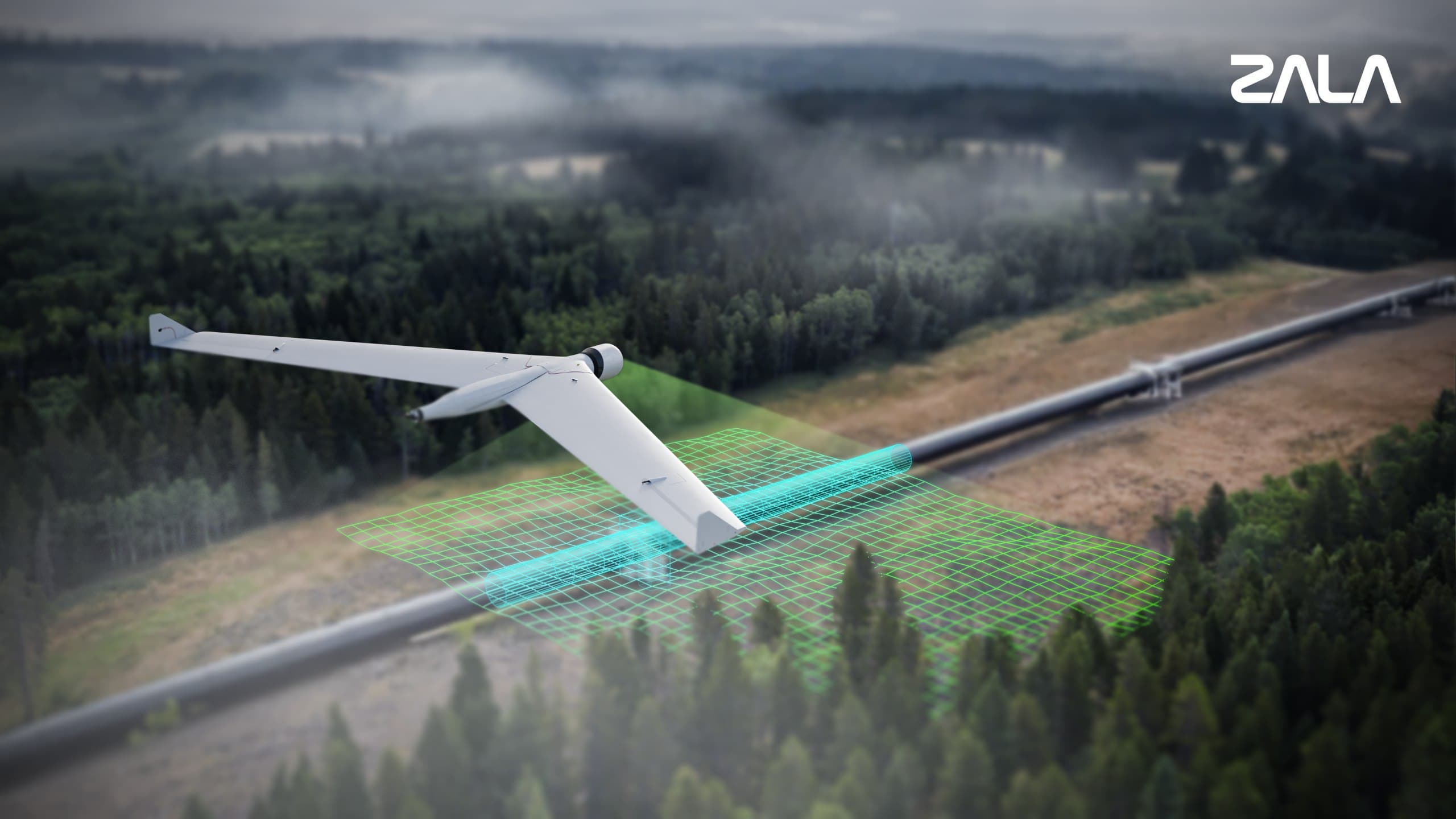
Due to the harsh climate and difficult terrain, including mountain passes, narrow gorges and vast swampy areas, the use of ground patrols becomes very problematic. To ensure safety on the route, constant monitoring from the air is required.
ZALA T-16 unmanned aerial vehicles, which can operate autonomously at a distance of hundreds of kilometers, have become the main tool for solving this problem. They regularly inspect the pipeline through which raw materials are transported.
Thanks to equipping the devices with high-resolution cameras and thermal imaging sensors, they can detect potential malfunctions, such as leaks, as well as signs of unauthorized access to the facility at any time of the day. The integrated artificial intelligence in ZALA T-16 provides automatic data analysis, anomaly detection and classification of potential threats on board. The received reports and real-time video stream are transmitted to operators on the ground.
The specialized software 4Z1 provides remote access to information and analytics, and also allows you to quickly coordinate the actions of emergency services in the event of emergency situations.
Earlier it became known that the Ministry of Economic Development of Russia and the Rosatom State Corporation are discussing the launch of a pilot project on the use of drones in the Arctic and on the Northern Sea Route.
Read also materials:
Folding and high-speed: the world's first multi-tasking modular drone F1 was created at MAI