Translated with AI from the Russian original.
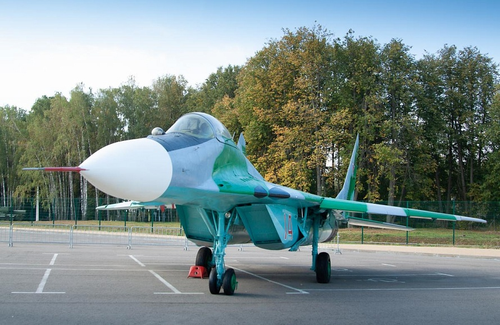
On Sunday, May 18, an empty fuel tank detached from a MiG-29 aircraft of the Strizhi aerobatic team flying over Chelyabinsk. The fragment of the aircraft fell in the area of the city forest.
According to the press service of the Main Directorate of the Ministry of Emergency Situations of Russia for the Chelyabinsk region, rescuers have already found the detached fragment.
The tank was found in the forest of the city forest. There was no fire, no casualties.
MiG-29 is a multi-purpose front-line supersonic fighter of the fourth generation, developed by the MiG Design Bureau. The main task of the aircraft is to ensure local air superiority. The first fighter in the world of this class, combining efficiency in maneuverable air combat with the ability to attack the enemy with medium-range and short-range missiles.
The MiG-29 became the "calling card" of the USSR in the last years of the Cold War, it is distinguished by an integrated layout and a helmet-mounted target designation system. It was exported to more than twenty countries.
Earlierwww1.ru reported thatfootage of the engine of the secret Russian cruise missile "Banderol" appeared.
Read more materials:
Russian soldiers used a unique "Roach" made of five strike drones
Elusive kamikaze drones "Molniya-2" began to be launched in a new way: the ammunition turned out to be too heavy
Russia will begin creating unique civilian vessels without a crew
Never miss our newsAdd this site to your preferred sources to see us more oftenAdd on Google

















