Translated with AI from the Russian original.
The construction of two new river pusher tugs of the T20 project has begun in Omsk. This project is of great importance for the local shipbuilding industry, since until the 1990s Omsk was an important shipbuilding center, with an emphasis on creating ships for the Ob-Irtysh river basin. In early 2025, the company also received an order to build two ferries for the Tobolsk - Bekerevo crossing in the Tyumen region.
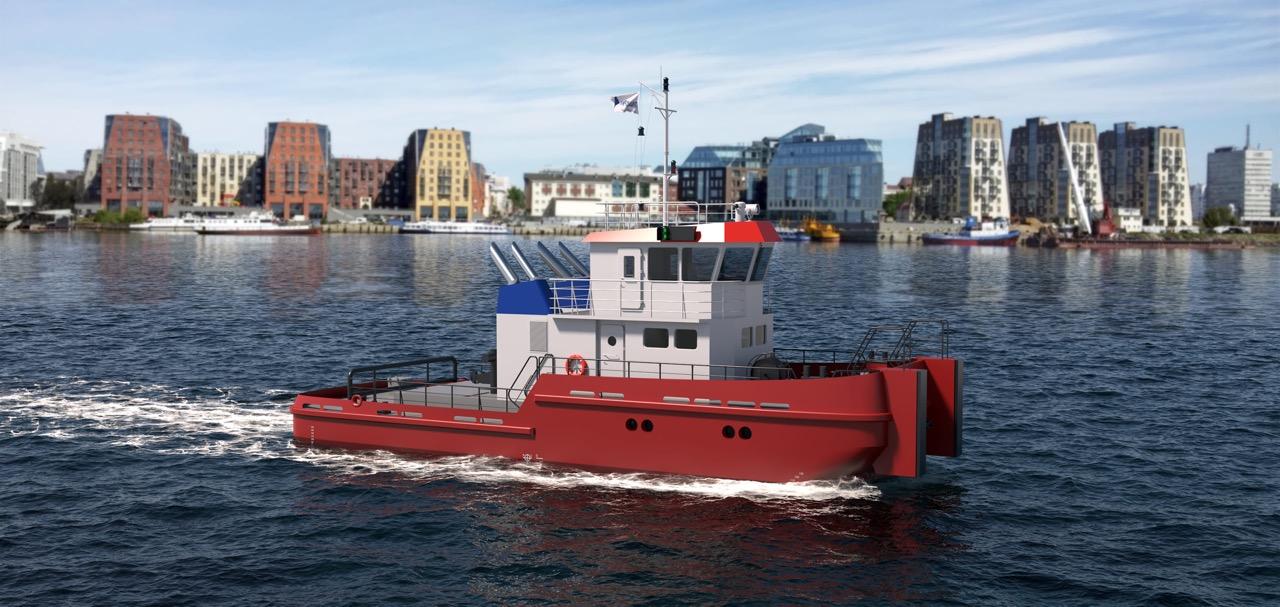
T20 project pusher tugs are 20 meters long and are shallow-draft vessels of the "R 1.2 (ice 30)" class, which means that they can operate in conditions of small broken ice up to 30 cm thick. The height of the side to the main deck is 2 meters, and the draft of the vessel is just over 1 meter. The power plant includes two engines with a capacity of 165 kW (331 hp) each, which allows it to reach speeds of up to 15 km/h. The ship's crew consists of three people, and the autonomy for fuel and provisions is 5 days.
These tugs are designed to operate not only in open water, but also in frozen rivers, with the possibility of operation at temperatures from -30°C to +40°C. In winter storage conditions, the temperature can drop to -40°C. The vessels are capable of operating around the clock in all climatic conditions.
The T20 project was developed by the Russian design bureau "Proship" from Severodvinsk (Arkhangelsk region), which specializes in design and engineering services in shipbuilding. The bureau was founded in 2015 and has already established itself in the development of projects for the Russian fleet.
Read also on the topic:
Ice-class tug "Captain Shebalkin" checked before entering service in the ports of the Barents, White and Kara Seas
The newest Arctic rescue tug of the NE025 "Pechak" project has joined the Marine Rescue Service
Russian tugs are not affordable for everyone: customers will start buying old ships abroad
Never miss our newsAdd this site to your preferred sources to see us more oftenAdd on Google

















