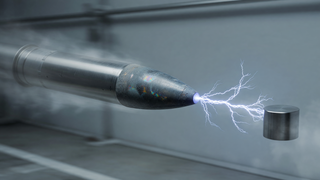
Scientists from SevSU and TPU are developing a technology for recycling solar panels and other elements using plasma. In Sevastopol, a constant current field is being studied, in Tomsk - an alternating one. The goal is to create a cheap and effective disposal technology that can turn already unnecessary solar panels into material for use in space.
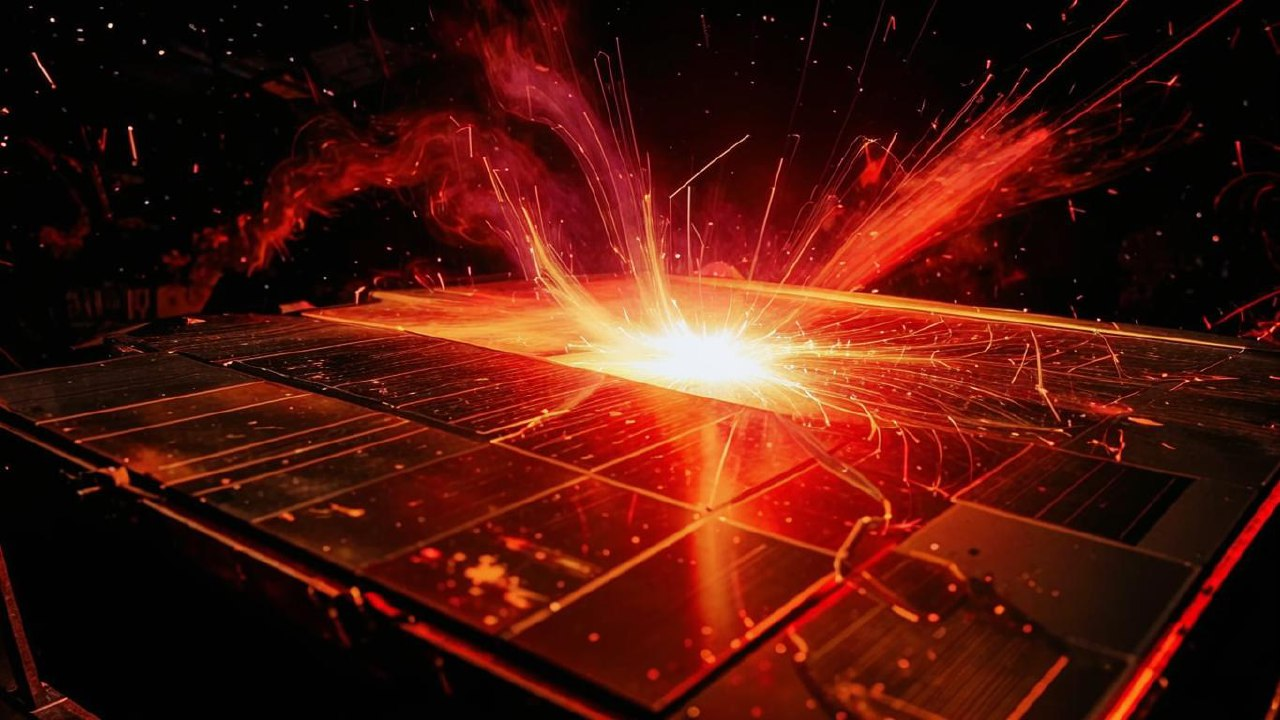
Vladimir Gubin, Head of the Department at SevSU, noted that even the most environmentally friendly energy sources create problems when it comes to their disposal. This applies to everything - from nuclear power plants to solar panels and wind turbines. When these technologies were just emerging, manufacturers did not think about how to dispose of them later. Now there are many of them, so another solution was found. In addition, the new method allows not only to get rid of old installations, but also to make money from this process.
Now the amount of waste is gigantic, cutting and burying the remains is not an option. And we have proposed a technology that will not only allow us to dispose of failed elements, but also to make a profit.
The process involves separating the elements into fragments, treating them with plasma, and obtaining a powder similar to soot, from which silicon carbides and tungsten borides can be produced, which are used in space and nuclear energy.
The method is universal, since carbon is contained in all recyclable materials. This opens up a large raw material base and solves two problems: disposal and production of a high-margin product. The project is being developed jointly with Rosenergoatom and TVEL.
The technology has been tested on small volumes (up to 80 grams) and is ready for scaling.
Read more materials on the topic:
Russian perovskite roll-to-roll solar panels are being created at NUST MISIS
Ultra-thin and flexible: new solar batteries have been developed in St. Petersburg
Universal solar batteries for the Arctic and space are being created in Russia
Never miss our newsAdd this site to your preferred sources to see us more oftenAdd on Google