Translated with AI from the Russian original.
In Russia, the development of duplex 7.62x54R cartridges with a tandem arrangement of bullets for combating drones has begun, according to military expert Evgeny Damantsev.
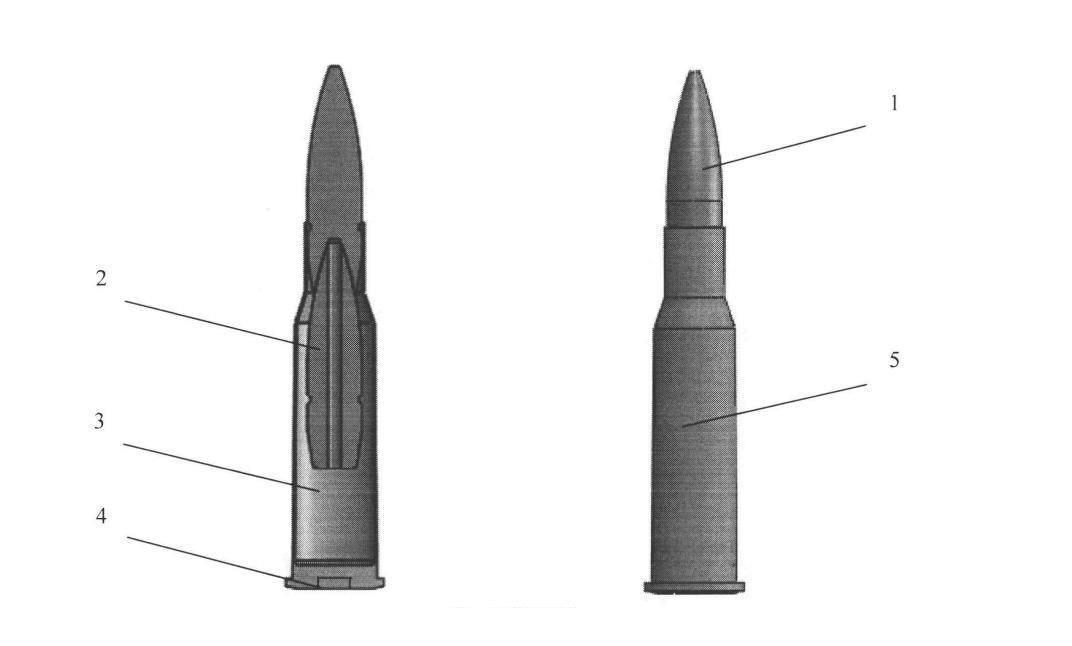
According to him, such ammunition makes it possible to double the density of fire from light anti-aircraft guns based on the PKM. The cartridge is being developed by the Penza branch of the Military Academy of Logistics named after A. V. Khrulev.
Instead of one bullet weighing 9.6 grams, it is proposed to use two - weighing 5.1 and 4.7 grams. The first has a speed of about 860 m/s when firing from a PC, the second - 800 m/s.
The designers want to avoid the shortcomings of the experimental American 7.62x51 cartridges developed in the 1960s. At that time, the American military abandoned them due to a drop in armor penetration and a large spread of bullets.
Earlier www1.ru reported that the Forpost-RU drone will receive small-sized radars for guiding Kalibrs and loitering munitions.
Read more materials:
The factor of the advantage of Russian fighters over F-16, Mirage 2000 and Eurofighter is named
Kalashnikov presented silent Vintorez and Val at the arms exhibition
The Admiral Nevelskoy BDK landed a naval landing in Primorye
Never miss our newsAdd this site to your preferred sources to see us more oftenAdd on Google

















