Translated with AI from the Russian original.
Commercial entities — oil refineries, oil companies, and large firms — are directly responsible for the safety of their facilities and nearby residential buildings. This was stated by Mikhail Filippov, head of the "Arkhangel" project, which produces eponymous interceptor drones. According to him, enemy attacks can affect not only critical infrastructure but also civilians living nearby.
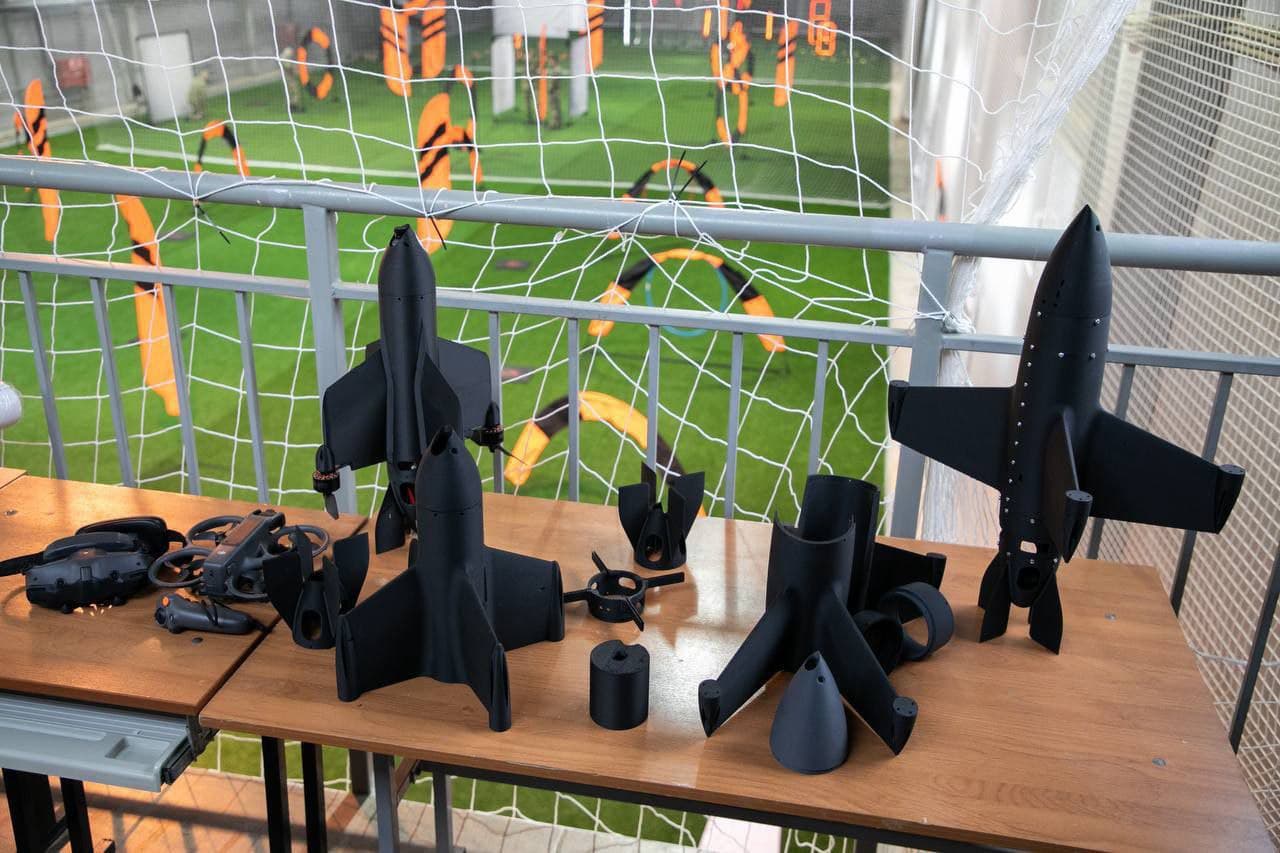
Filippov emphasized that effective counteraction to attacks is possible only with unified leadership and a system of interaction among all services, including commercial organizations. The cohesion of all structures contributes to regional protection. Businesses can purchase the necessary protective equipment themselves — trailers, vehicles, and interceptors. Humanitarian organizations made a significant contribution in 2022, but now businesses must be more active in ensuring security.
The people cannot bear this; it is a very expensive endeavor. And here, businesses that are being targeted — if there is a clear understanding, they get involved, purchasing everything necessary. When there is no such understanding in the region... Some think, "it will hit once a year, maybe it will pass." It won't pass. They are flying by the hundreds; the enemy is improving efficiency. [...] One can find many reasons not to participate in defense. Any negligent inaction is a crime in this situation.
The reasons for inaction on the part of commercial organizations are various factors, which, in fact, are excuses, Filippov believes: the need to coordinate actions with Moscow, restrictions on deploying personnel outside the plant, and so on.
Earlier, the creators of the "Tsitadel-NPZ" interceptor honestly spoke about problems with protection against UAVs: according to them, many oil refineries a couple of years ago purchased equipment from well-known commercial companies that did not work in real combat conditions.
Read more on the topic:
Never miss our newsAdd this site to your preferred sources to see us more oftenAdd on Google

















