Translated with AI from the Russian original.
The development of biotechnologies in Russia by 2025 will lead to the creation of new types of 3D organ microsystems. This was announced by Larisa Volova, Director of the Research Institute "Biotech" of Samara State Medical University.
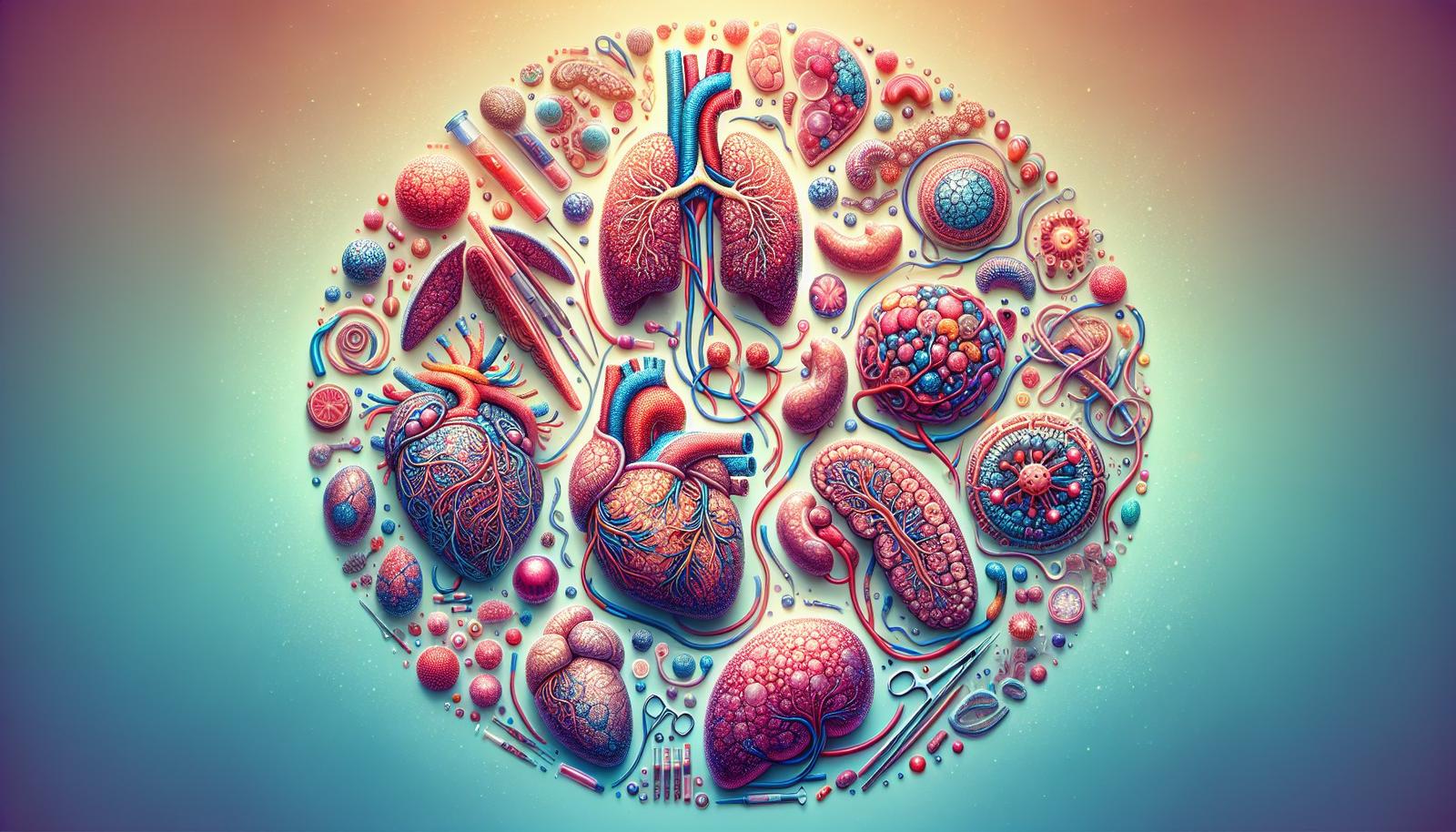
Microfluidic systems will mimic the structure and functions of human tissues and organs. These technologies will improve the efficiency of drug testing and disease modeling. In the future, this will eliminate the use of laboratory animals and the involvement of volunteers.
We can expect that in 2025 we will be able to see a new level of "organ-on-a-chip" technology, when it will be possible to study the physiological and pathological interactions between organ systems by integrating several such biochips at once.
In addition, Volova noted the prospects for creating biomaterials with sensory properties for successful tissue cultivation. It is also expected that in 2025, mathematical models will be developed that predict the stages of these processes.
The main driver of this direction will be the development and bioprinting of fully functional, including personalized, tissues and organs for the restoration of damaged areas or transplantation.
It is expected that this will solve the problem of donor organ shortage.
Earlier www1.ru reported that Rosatom will master bioprinting technology by 2030.
Read materials on the topic:
Blood vessels, stomach, intestines: astronauts on the ISS will begin printing human organs
A technology for 3D printing human tissue from living cells has been developed in Russia
Never miss our newsAdd this site to your preferred sources to see us more oftenAdd on Google

















