Translated with AI from the Russian original.
Russian artillery units of 152-mm towed guns "Hyacinth-B" at the forefront began to remove the wheels from the guns. This technique is widely spread in the combat zone.
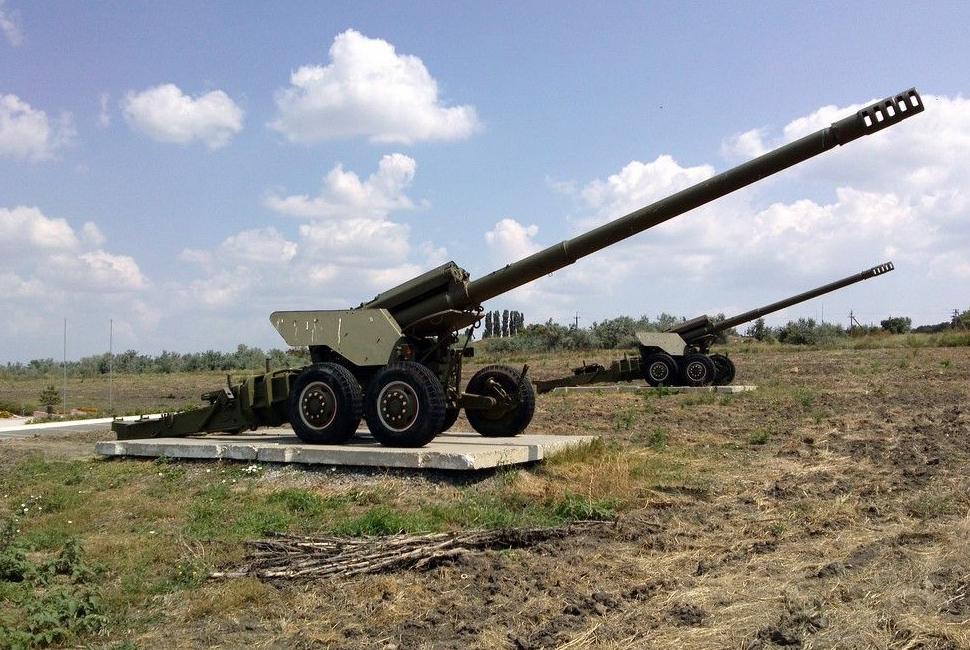
The military said that the "Hyacinth-B" is almost always deeply dug in, covered from above with an anti-drone net and camouflaged. This is a real "closed" fire position in every sense - artillery and colloquial.
At the same time, the gun has its wheels removed. Immediately after installation on a prepared position, the wheels are removed from the guns and hidden in a shelter so that the tires are not damaged by shrapnel during shelling, which are almost impossible to repair at the front.
If necessary, the wheels are installed back. For the calculation, this is very hard work, it has to be done without the help of auxiliary mechanisms, but it has become necessary.
Earlier www1.ru reported that Su-30MS fighters of naval aviation received R-37M long-range missiles in the weapons system.
Read materials on the topic:
American M777A2 became an easy target for the Msta-S howitzer with Krasnopol-M2
Destroy BEC Magura V5: unique footage of the work of deck-based FPV interceptors of the Russian Navy
Tor-M2 air defense system received new 9M338K anti-aircraft missiles with an increased range
Never miss our newsAdd this site to your preferred sources to see us more oftenAdd on Google

















