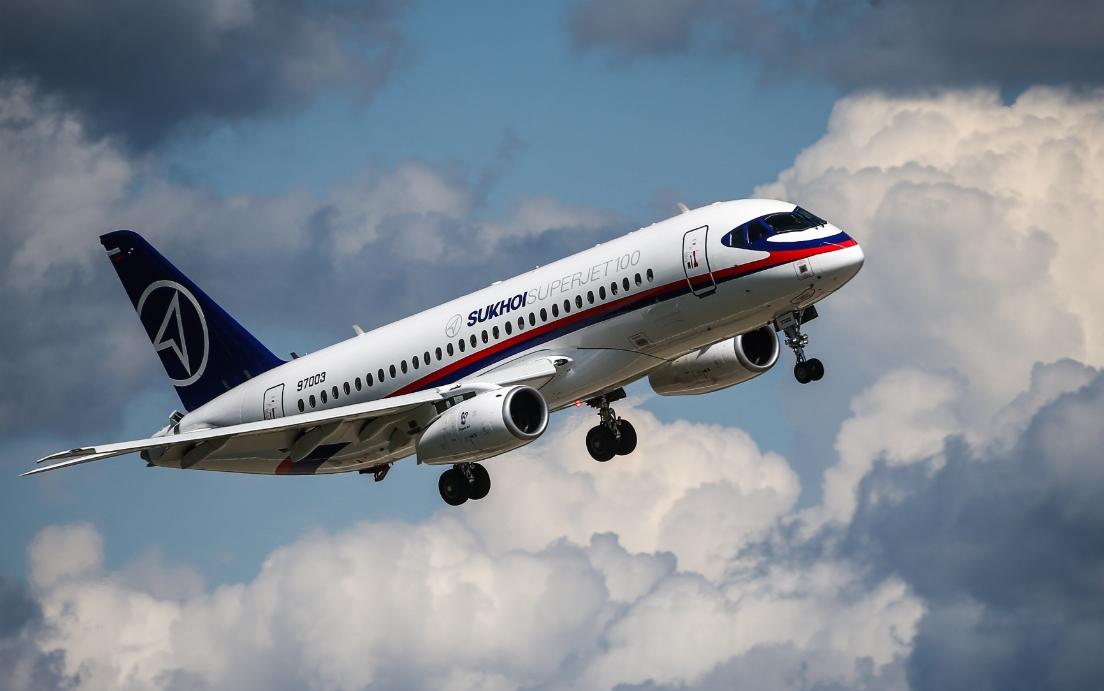
The first flights of fully import-substituted SSJ-100 and MC-21 liners with domestic engines are scheduled for 2025. This will demonstrate Russia's ability not only to build modern aircraft, but also to make them entirely from its own components, eliminating dependence on suppliers from the West.
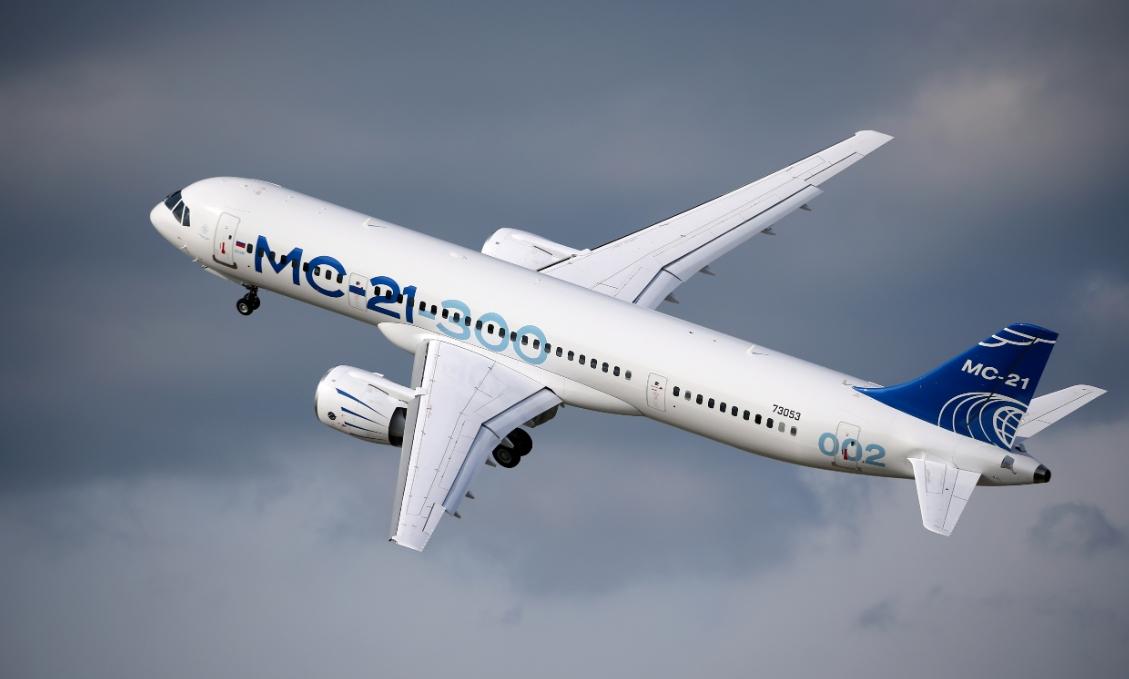
The other day, Minister of Industry and Trade Anton Alikhanov said that the PD-14 engine is already ready for the MC-21, and certification flights will begin very soon.
By March-April 2025, we expect the first flights of the MC-21 in a fully import-substituted configuration.
Initially, deliveries of the MC-21 to airlines were supposed to start back in 2022, however, Western sanctions made their adjustments. The delays were primarily due to the need for complete import substitution of all units and components, including composite materials, which required certification and additional testing. After successful completion of these procedures, the aircraft will be sent to customers.
Long-term plans: wide-body aircraft
As part of the strategic development of Russian aviation, work has begun on creating a high-thrust PD-35 engine, which is intended for wide-body liners. Presumably, the project will be implemented in the next decade. The main difficulties are associated with the development of new technologies and materials Work is already actively underway, and appropriate funding has been budgeted. At the same time, the need for such aircraft is small: there are about 500 narrow-body aircraft for every 100 wide-body aircraft.
Competition and independence
Creating its own line of aircraft of different classes is a vital task for Russia, and not just a matter of prestige. The European Airbus and the American Boeing dominate the world, and Chinese designs such as the Comac C919 look competitive, but are still dependent on imports of technology from the West.
In the event of sanctions, the Chinese aviation industry will be paralyzed due to the lack of domestic aircraft engines. Russia, having built up its own technological base, will not only overcome sanctions pressure, but also guarantee long-term independence. SSJ-100 and MC-21 are steps towards creating a fully autonomous and sustainable aviation industry.
Read related materials:
Dozens of breakthrough solutions: Rostec spoke about the development of the PD-14 engine for the MC-21 liner
Competitors for Airbus and Boeing: seven Russian aircraft are in the certification stage
Never miss our newsAdd this site to your preferred sources to see us more oftenAdd on Google

















