In March, Earth residents will witness several bright astronomical events: the conjunction of Venus with Saturn and Neptune, a total lunar eclipse, and evening flights of the International Space Station, according to Vladilen Sanakoev, an engineer at the Ural Federal University's educational astronomical observatory.
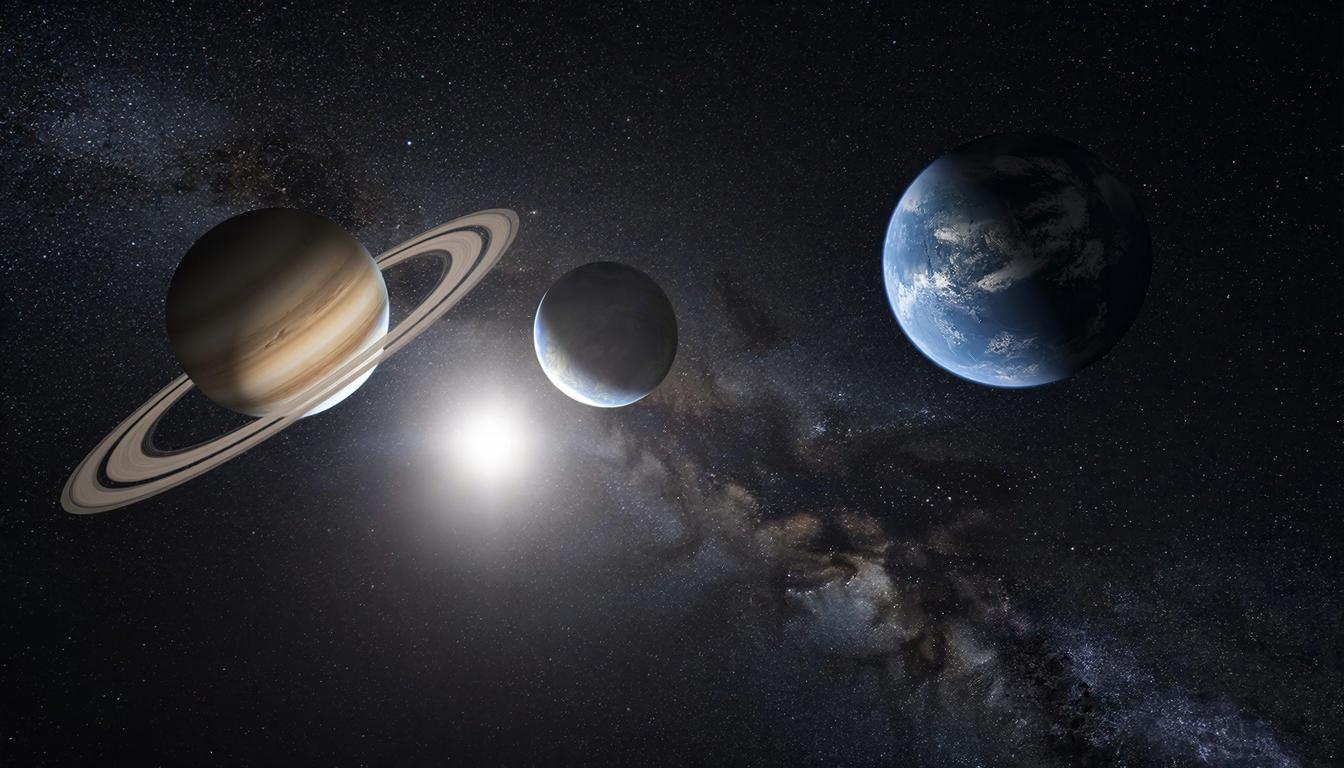
On March 7 and 8, the bright planet Venus will be close to the planets Saturn and Neptune — this is the last favorable period for observing Saturn for the next three months; until the end of July, Saturn will be inaccessible due to its proximity to the Sun. Journalists call such conjunctions "Venus Kiss".
It is best to observe the conjunction in the western part of the sky immediately after sunset, low above the horizon. You will need binoculars or a telescope for this.
During the day on March 3, residents of the Far East will be able to see a total lunar eclipse. Its maximum will occur at 14:33 Moscow time.
From March 15 to 25, the most favorable period for evening observation of the ISS will begin. The station will appear in the west low above the horizon, gradually light up, fly through the constellation Orion, and disappear into the shadow of the Earth in the east.
Read more materials on the topic:
- Crimson Moon will rise in March: the eclipse will last longer than an hour
- A giant cave was found under the hot crust of Venus — it will be studied by the Russian mission "Venera-D"
- A rare chance to see Mercury: the planet will be visible in the evening sky for only two days
Never miss our newsAdd this site to your preferred sources to see us more oftenAdd on Google