Translated with AI from the Russian original.
The project for 3D printing of the housing of the first support of the VK-1600V aircraft engine was developed by specialists from MMP named after V.V. Chernyshev and the Additive Technology Center of UEC.
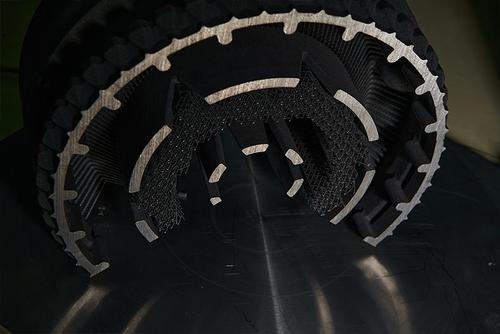
The use of additive technologies makes it possible to create complex engine parts faster, while such aircraft parts weigh significantly less than parts made in other ways. This idea of UEC specialists was awarded a diploma of the "Aircraft Builder of the Year" competition in the nomination "Best Innovative Project".
Engineers of the Moscow enterprise, together with specialists from the CAT, prepared and worked out the production technology in just four months. Now, specialists from the Moscow enterprise are working on creating a prototype fuel collector for a helicopter engine using additive technologies.
The VK-1600V aircraft engine is designed for medium-class Ka-62 helicopters. It can have various modifications, including for drones and as part of power plants for light passenger and transport regional aircraft.
VK-1600V characteristics:
- engine power at 2.5-minute power mode with one inoperative engine - 1,750 hp;
- engine power at take-off mode - 1,400 hp;
- specific fuel consumption at take-off mode - 0.200 kg/hp · h;
- dry weight - 210 kg;
- service life - according to technical condition.
Read materials on the topic:
Competitors for Airbus and Boeing: seven Russian aircraft are in the certification stage
Flight tests of the Russian aircraft engine VK-650V have begun
Su-57, "Baikal" and SJ-100 decorated the Moscow metro train
Never miss our newsAdd this site to your preferred sources to see us more oftenAdd on Google

















