Translated with AI from the Russian original.
The Lada Vesta NG with the most powerful 1.8 EVO engine and WLY CVT18 variator from a Chinese manufacturer has a new element that should solve the problem of vibration transmitted to the body and the passenger compartment. This was reported to Lada.Online by a representative of the dealer network.
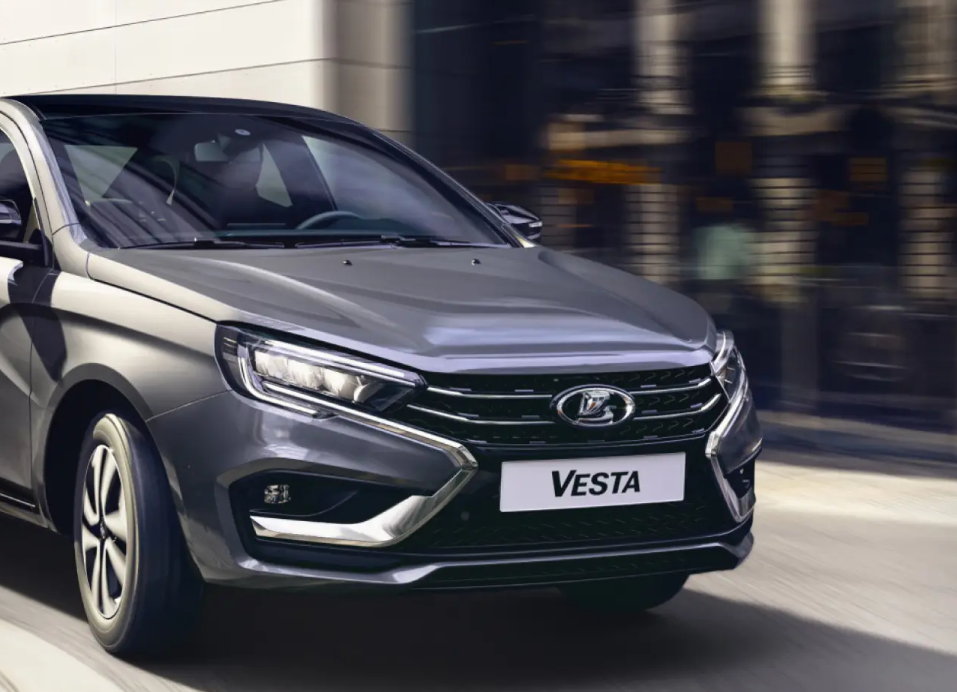
At the end of October, new batches of Lada Vesta cars with a variator were produced, equipped with new engine mounts (supports). This eliminated the problem with vibration that occurred in the body.
Cars with new supports are now much more comfortable at idle.
The service center reported that at the moment there have been no instructions from the manufacturer to replace this part. There was also no recall campaign announced. However, if the client complains about excessive vibration, then replacement is possible.
Earlier, AvtoVAZ officially announced the price of the Lada Vesta NG in the full configuration, equipped with all possible options that were not in previous versions. The cost of such a car in the Techno configuration will be at least 1,885,000 rubles.
Read more on the topic:
A way to activate ESC in Lada Vesta NG has been found
Maximum configuration: new Lada Vesta SW Cross are coming off the assembly line
Cars are already being shipped: AvtoVAZ announced the start of sales of Lada Vesta NG with a stabilization system
Never miss our newsAdd this site to your preferred sources to see us more oftenAdd on Google

















