Translated with AI from the Russian original.
The Moscow Power Engineering Institute (MPEI) plans to build a unique installation based on the ideas of Nobel laureate Rodney Allam, which will allow generating energy without carbon emissions. This project will be the first of its kind in Russia, and its implementation will begin in the next three years.
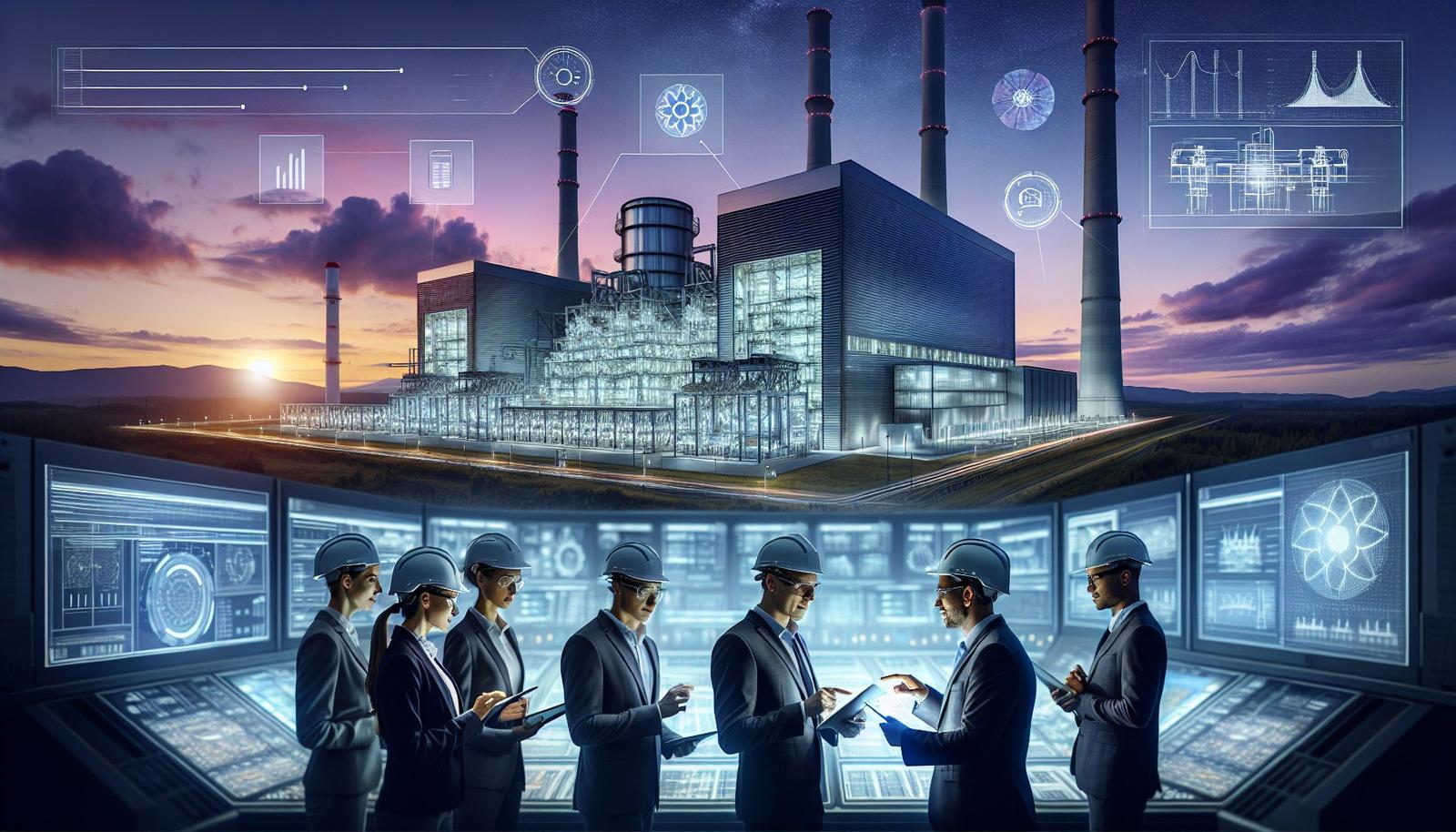
The Allam cycle is an innovative technology in which natural gas is burned in a chamber with pure oxygen under high pressure, resulting in carbon dioxide (CO₂) that is then returned to the process in a closed loop through a special turbine. This process allows generating energy without harmful emissions into the atmosphere, making it environmentally friendly and efficient.
Academician of the Russian Academy of Sciences and chief expert of MPEI, Sergei Alekseenko, said that in order to use coal in the installation, it is planned to first subject it to deep processing to the state of synthesis gas. The gas, purified from impurities, will be used in the Allam cycle. This approach allows using coal - one of the most common and accessible sources of energy in Russia - while maintaining the principle of zero carbon emissions.
The project has already been supported and will be implemented using both budgetary funds and investments from a large Russian energy company. This installation will be the first in Russia built using the Allam cycle. Similar projects currently exist only in the USA, for example, in Houston, but by the middle of the century this technology should become widespread throughout the world.
The installation is expected to be ready by mid-2027.
Read more on the topic:
Russia produces the cheapest V8 gasoline engine in the world
With doubled thermal conductivity: a photopolymer for cooling microelectronics has been developed in Moscow
Rosatom is testing steel for a new research liquid salt reactor
Never miss our newsAdd this site to your preferred sources to see us more oftenAdd on Google

















