Translated with AI from the Russian original.
In Russia, hybrid car owners face the problem of inflated power when calculating vehicle tax. This leads to the fact that owners of such cars are forced to pay a tax that may be several times higher than expected. This is reported by the St. Petersburg publication "Fontanka".
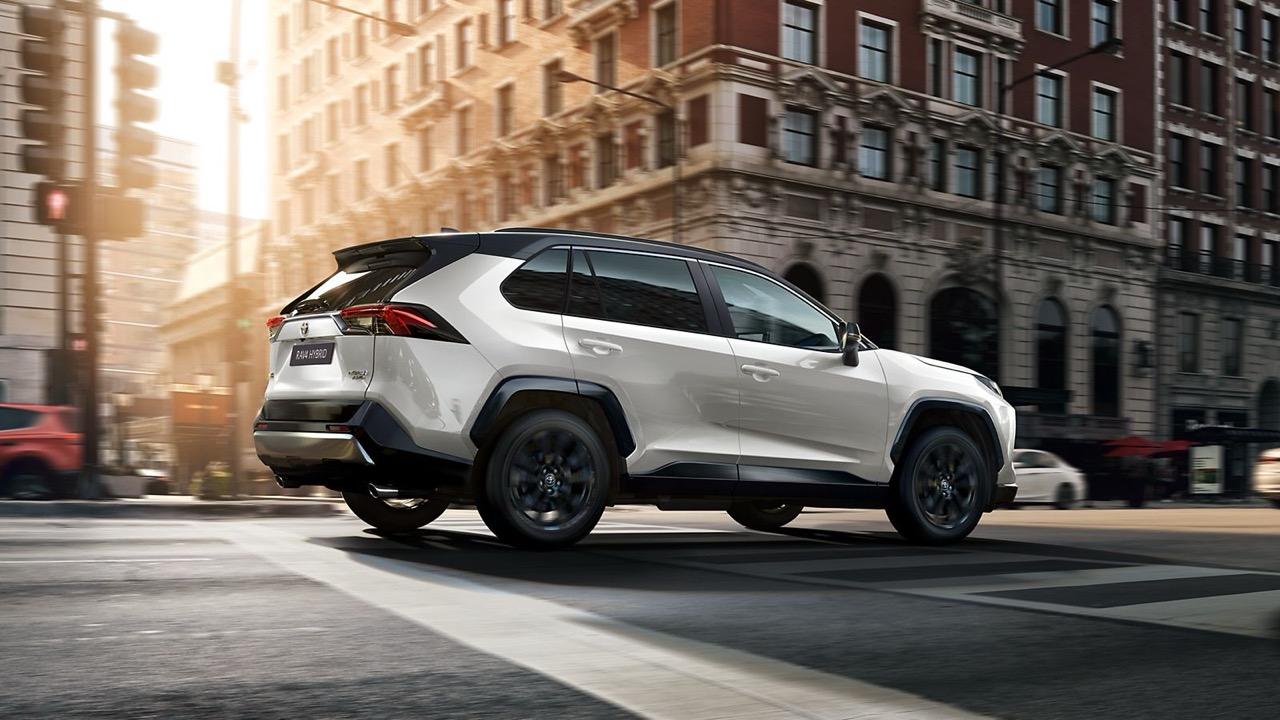
An example of such a case is the Toyota RAV4 crossover of 2021, where the power of the internal combustion engine (ICE) and the electric motor were added together, and the total power was indicated as 280 hp. However, the gasoline engine of the car actually has a power of only 178 hp. This led to the fact that the car owner, instead of the expected 9 thousand rubles, had to pay 43 thousand rubles of vehicle tax.
Owners of hybrid cars, as a rule, face such a problem, since the combined power of all car systems is used to calculate the tax, which in the case of hybrids significantly increases the total amount. For example, owners of cars with similar models without hybrid systems pay a significantly lower tax. In Germany, for example, the tax for the hybrid version of the Toyota RAV4 is 107 euros, and for the non-hybrid version - about 400 euros.
The Ministry of Finance of Russia in March 2023 gave clarifications, according to which, for calculating the tax on a car with a hybrid energy system of a parallel type, the maximum power of all systems (ICE and electric motor) indicated in the technical documentation is summed up. In the case of a serial hybrid, the power of the ICE is not taken into account when calculating the tax, since it is not mechanically connected to the transmission.
Thus, the current rules for calculating the tax on hybrids lead to an excessive tax burden for their owners in Russia, which causes discontent and questions about the fairness of such approaches.
Read more on the topic:
Details Revealed About New Cars to be Assembled by Sollers
Invertor Plant Launches Mass Production of Charging Stations for Electric Vehicles in Orenburg
Electric Vehicle Production in Russia Grew by Almost 80% in a Year
Never miss our newsAdd this site to your preferred sources to see us more oftenAdd on Google

















