An agreement was concluded in the Kaluga region with JSC "GLONASS". As part of the document, they will begin testing the capabilities of the state information system in the field of unmanned technology. This was reported by the company's press service.
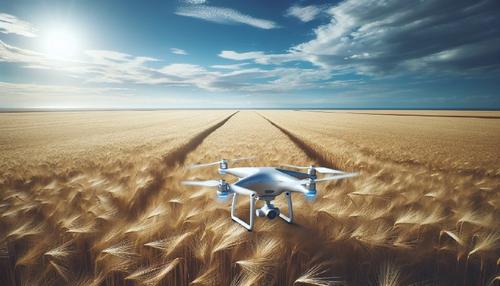
With the help of elements of a hybrid communication network based on "ERA-GLONASS", tracking of unmanned aerial vehicles (UAVs) outside the line of sight will be worked out. The new approach will make it possible to increase the safety of drone flights and open up new routes for their use in the interests of the economy.
Our transport monitoring platform can already provide tracking of unmanned aerial vehicles in areas where there is cellular communication. To solve the problem of seamless monitoring and control of aviation drones throughout the country, we will use developments in satellite communications.
Dmitry Razumovsky, Minister of Digital Development of the Kaluga Region, also noted that the introduction of a drone flight monitoring system will allow them to be used for cargo delivery and in agricultural work.
Earlierwww1.ru reported that JSC "Glonass" willcreate a new communication channel for UAVs.
Read materials on the topic:
Russia can speed up data transmission from satellites hundreds of times
Russia wants to start watching drones from space
Never miss our newsAdd this site to your preferred sources to see us more oftenAdd on Google