The Russian Armed Forces will receive the newest infantry fighting vehicle based on the BMO-T flamethrower carrier and the T-72B tank. Externally, the vehicle's hull resembles the heavy IFV T-15, and the layout is similar to the BMO-T, according to the Telegram channel @RussianArms.
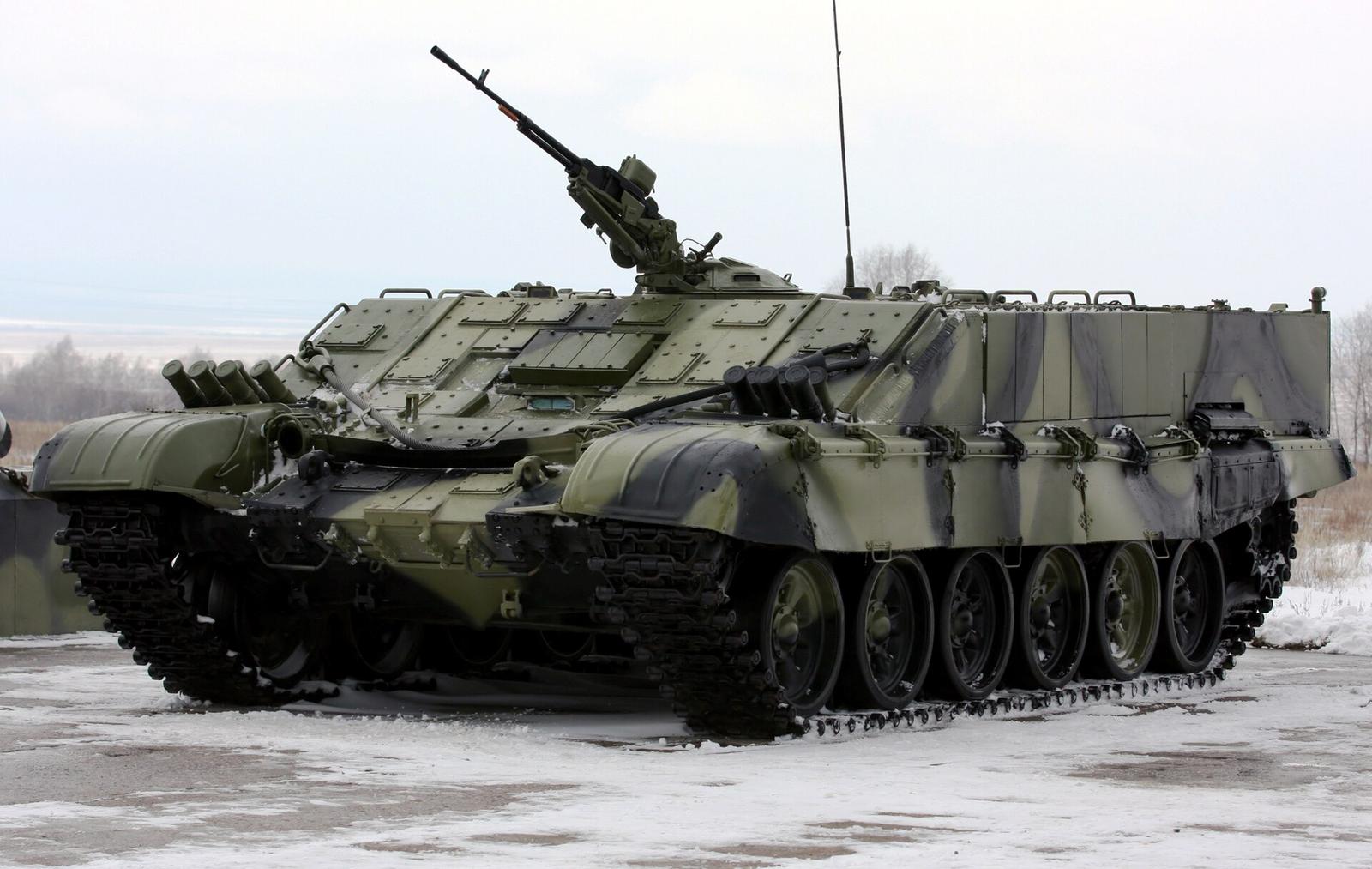
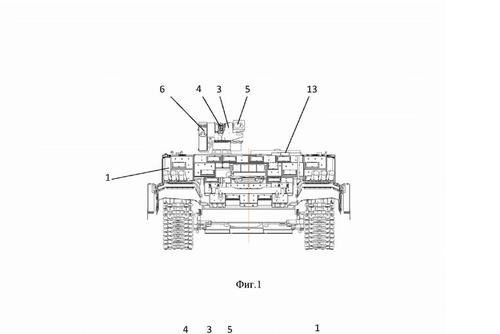
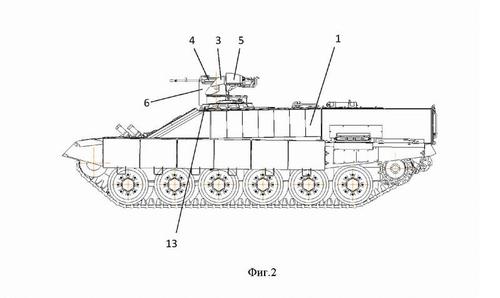
The vehicle will be armed with a remotely controlled turret machine gun mount based on a 12.7-mm "Kord" machine gun and will receive modern television-thermal imaging multispectral sighting devices.
The crew's safety will be ensured by elements 4S23 and 4S24 of the "Relikt" dynamic protection. They increase the cumulative resistance of the vehicle's frontal projection from cumulative projectiles up to 1300 mm, and from armor-piercing fin-stabilized projectiles from 540 to 770 - 800 mm.
For use in fire support operations, the vehicle may receive the "Berezhok" or "Bakhcha-U" combat module with a multi-channel "Sodema" gunner's sight.
Earlier, www1.ru reported that Russian engineers studied the elements of the Storm Shadow missile control system. They dismantled the control equipment, including servomotors, blocks, rudders, and various structural elements.
Read also:
Nowhere to hide: advanced Russian electronic warfare system "Torn" will expose enemy positions
Solid defense. Russian SAM system "Antei-2500" will completely close the sky from enemy missiles
The secret of "Zmey Gorynych": how the unique Russian UR-77 "Meteorit" mine clearance system works
Never miss our newsAdd this site to your preferred sources to see us more oftenAdd on Google

















