Tver developer Dmitry Lytkin has developed a new guidance system for unmanned interceptors with artificial intelligence elements. The technology allows the drone to automatically target an aerial object based on radar station data.
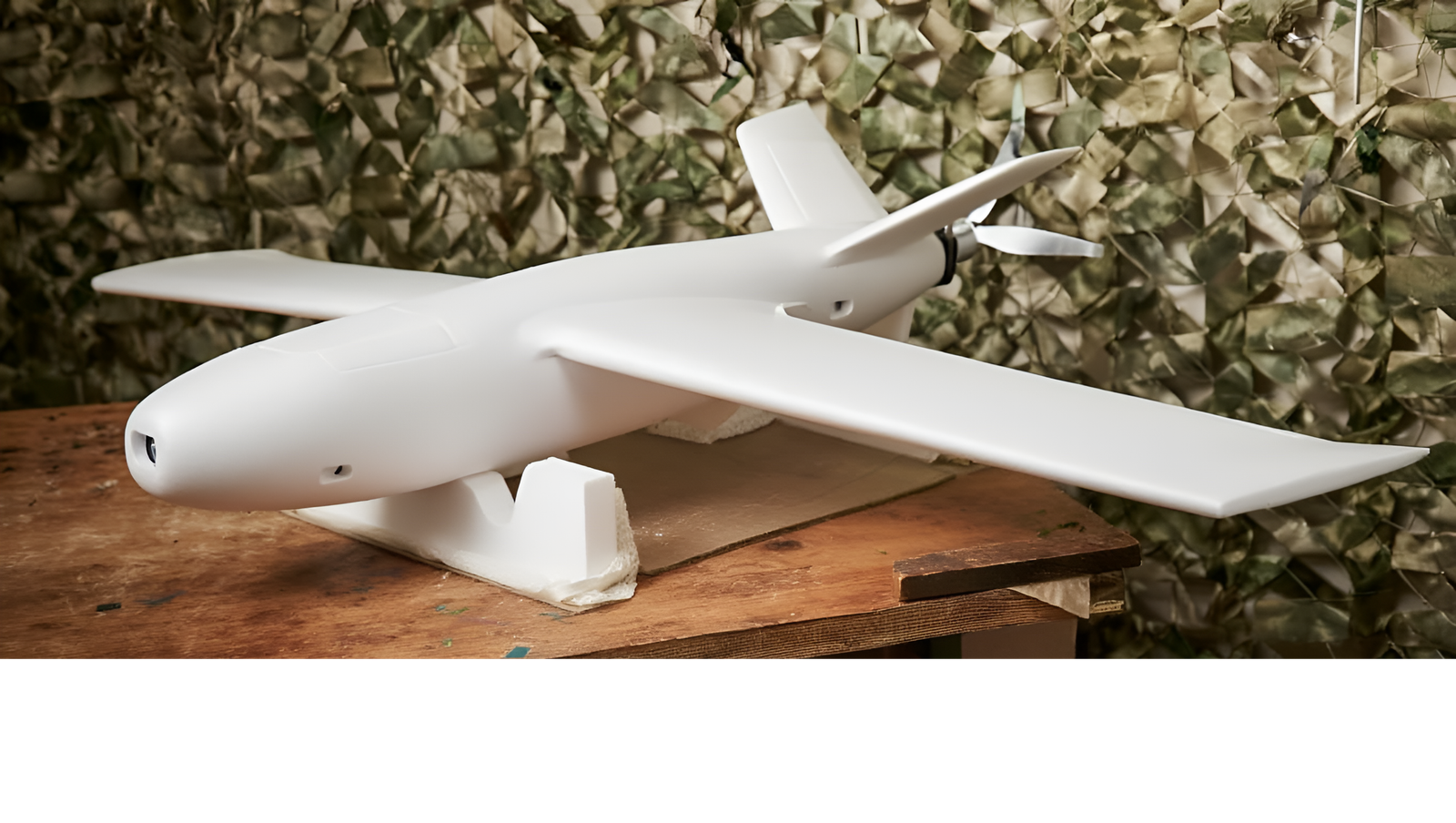
The system is designed to combat small aircraft-type drones, which are difficult to detect and destroy with conventional air defense systems.
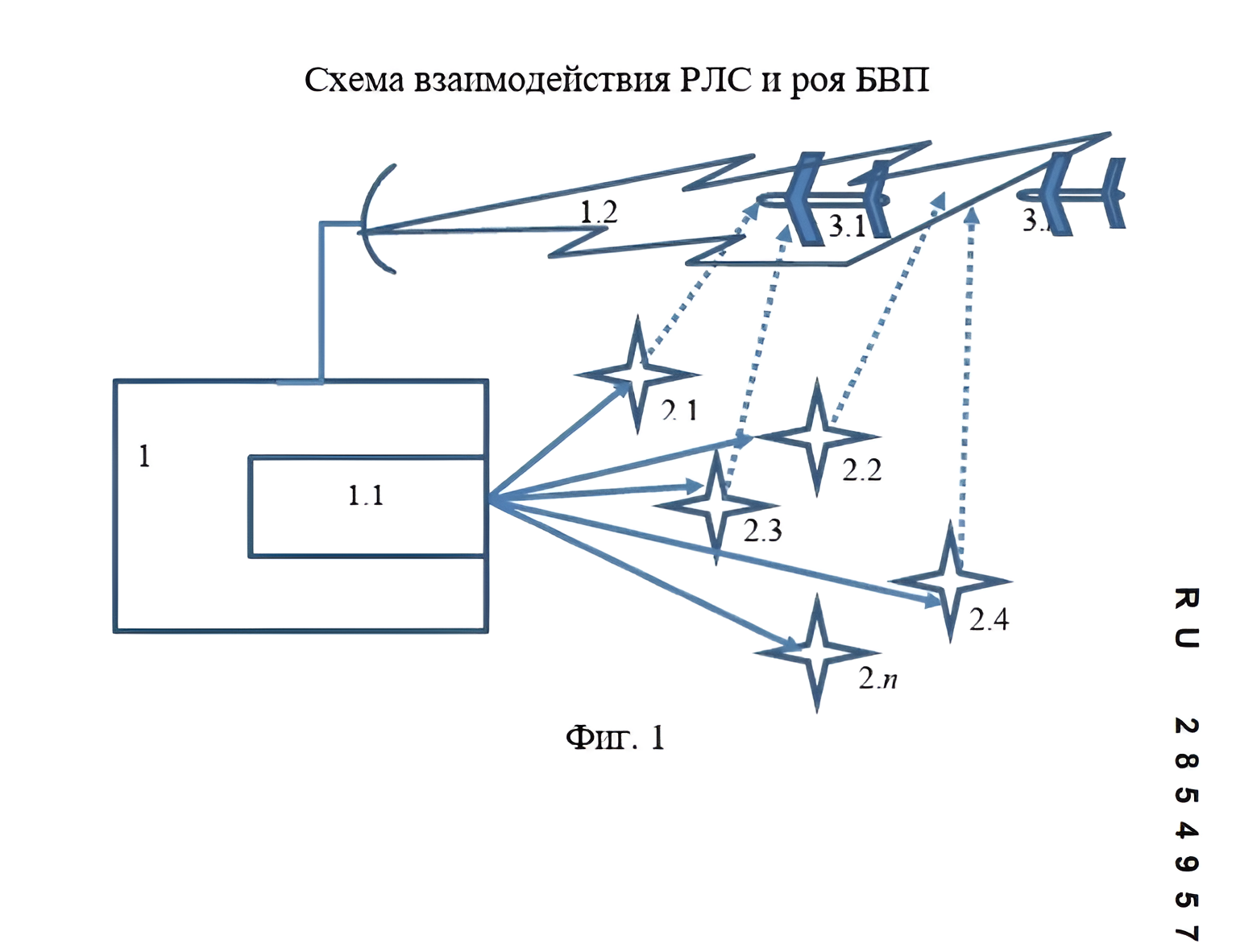
The ground-based radar detects the target and transmits information directly to the interceptor's board. The drone receives the object's coordinates, speed, movement parameters, and data from its own sensors – gyroscope and accelerometer.
Further, the information is analyzed by a neural network with several hidden layers. The algorithm real-time predicts the target's trajectory, evaluates the probability of a successful interception, and calculates the optimal maneuver for approach.
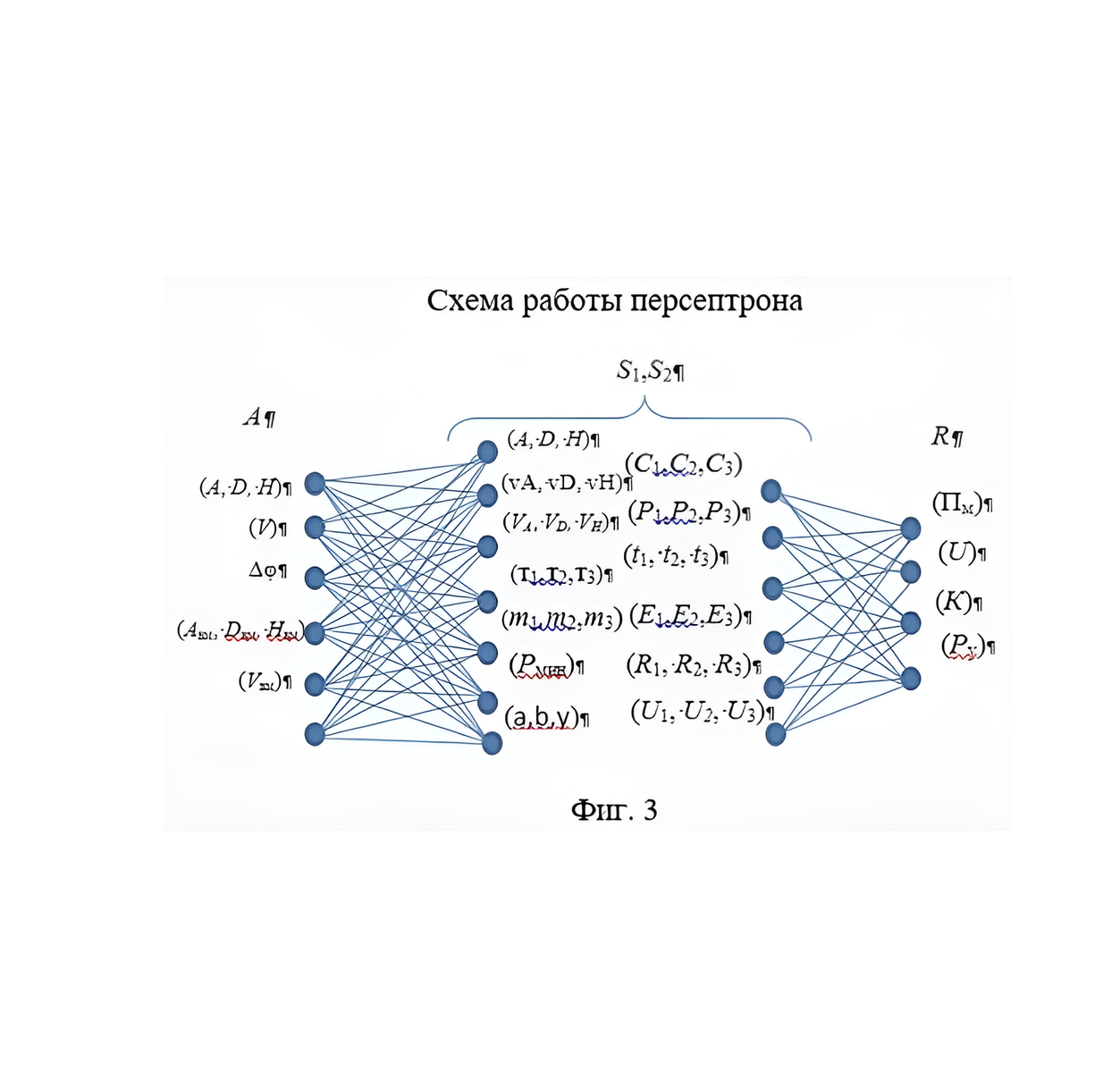
The system is capable of taking into account flight altitude, wind, and energy consumption during an attack. This allows the drone to choose the most effective interception trajectory without constant operator involvement.
In parallel, Moscow is sharply increasing production of "Yolka" interceptors. Compared to "Sokol-I", its characteristics are slightly higher - acceleration up to 230 km/h and a capture range of up to 3 km, but the drone hits the target with a kinetic strike, not a warhead.
Read more on the topic:
- Russia found a replacement for Mavic: the "Svarog-5" drone is going into service
- New "Uran-3" assault drone with mine trawl and machine gun created in Russia
- Stratospheric drone "Argus" will also conduct optical reconnaissance
Never miss our newsAdd this site to your preferred sources to see us more oftenAdd on Google

















