Domestic aerial bombs remain one of the most effective means of destruction in the arsenal of the Aerospace Forces. With their help, it is possible to deliver a high-precision strike against the enemy's critical infrastructure, destroy clusters of equipment and manpower, and cut off supply routes. The most high-tech and powerful aerial bombs of the Russian Aerospace Forces are covered in a report by www1.ru.
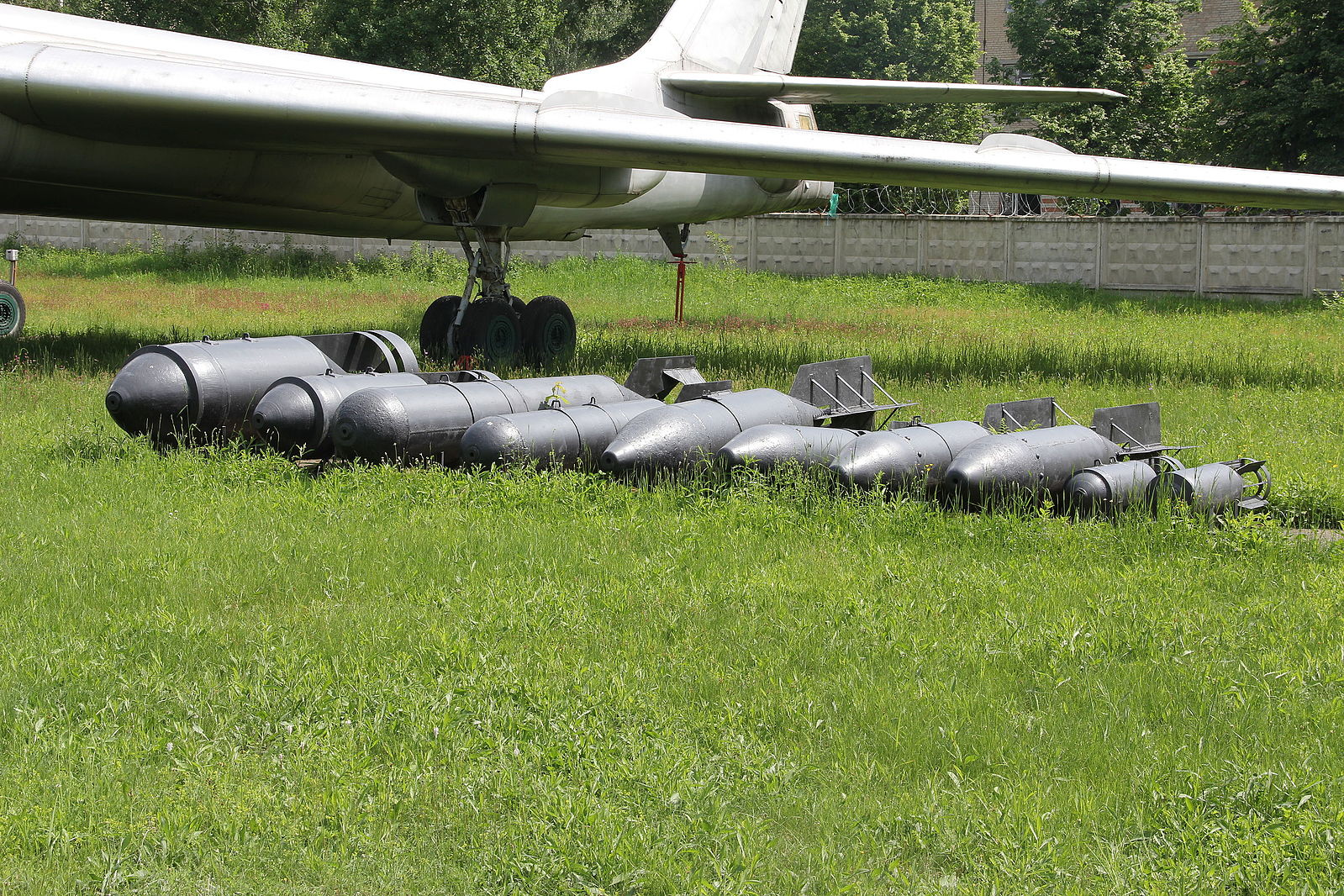
The first line of high-explosive aerial bombs (FAB) weighing only from 50 kg to a solid 5 tons appeared in the Soviet Union back in the 1930s. Then, the universal projectile was used to destroy a variety of targets, from railway junctions and military-industrial facilities to enemy manpower. During the Great Patriotic War, this type of aerial bomb was often used to destroy naval targets.
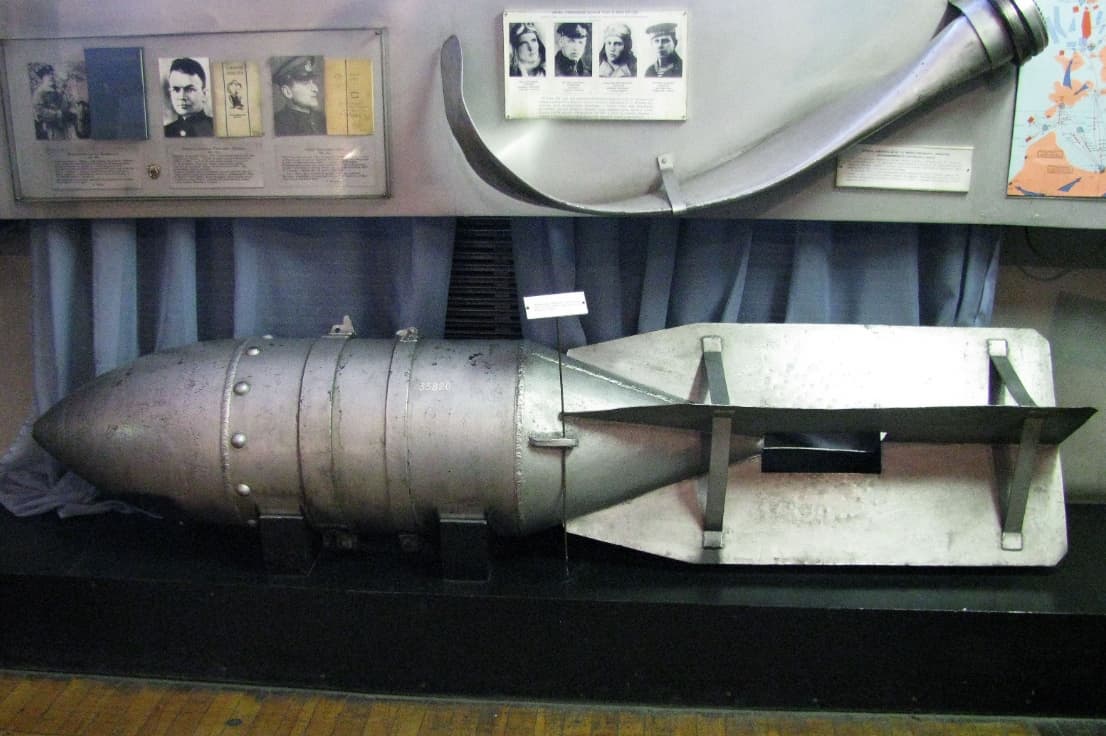
In the post-war period, the USSR began to produce three-ton FABs, in which explosives account for half the weight. Such projectiles leave huge craters 80 m in diameter and 20 m deep. The FAB-9000 M-54 weighing 9 tons was nicknamed the real "Tsar Bomb" during the Cold War.
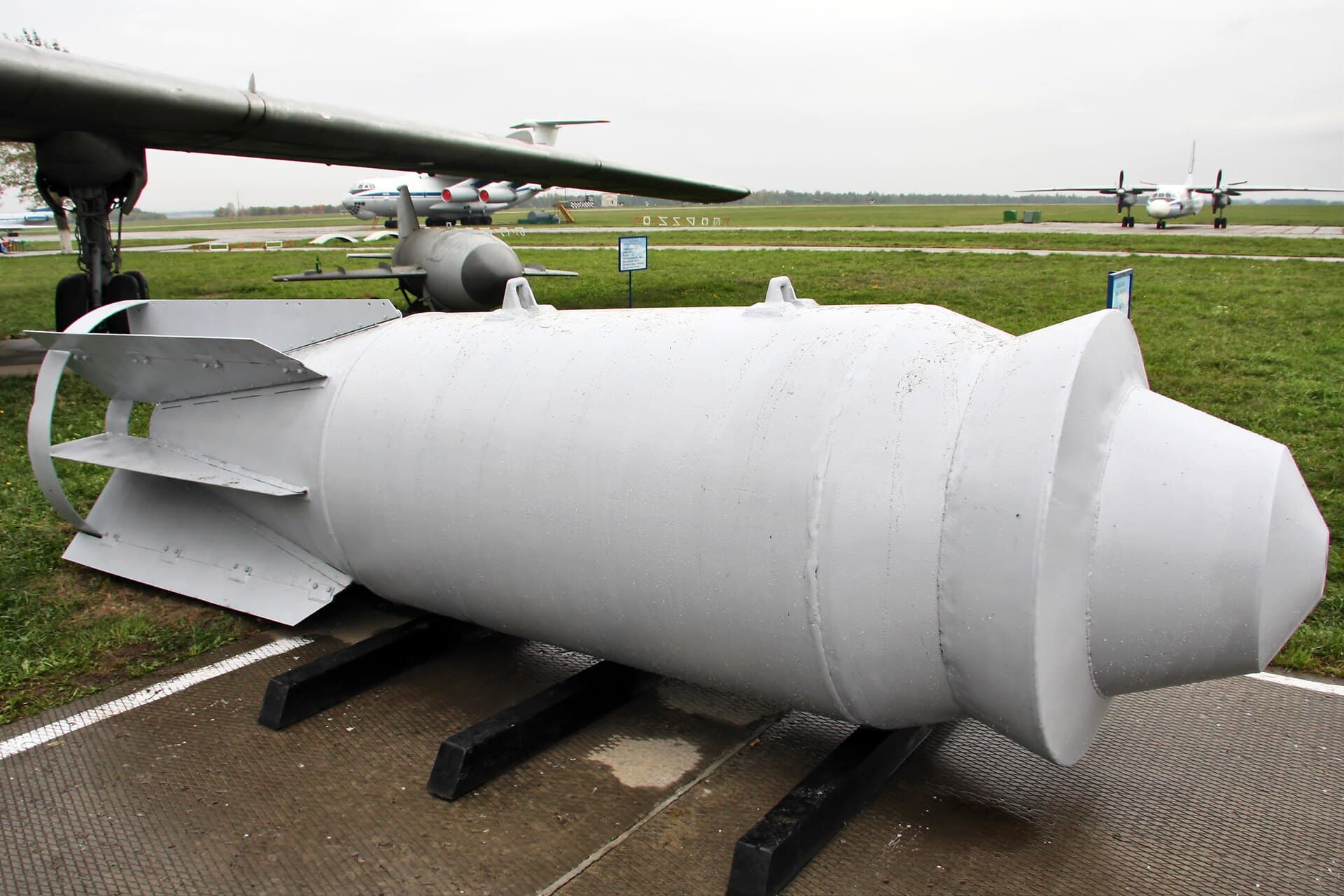
Filled with more than 4 tons of explosives, the bomb passed its baptism of fire in Afghanistan, where it was used to collapse entire mountain gorges. Currently, the FAB-500 is considered the most widely used of the entire line of high-explosive aerial bombs in Russia.
Corrected Retribution
FABs were classified as free-falling aerial bombs. To use them, pilots needed to approach as close as possible to the object of destruction, which is associated with risk for both the combat vehicle and the pilot.
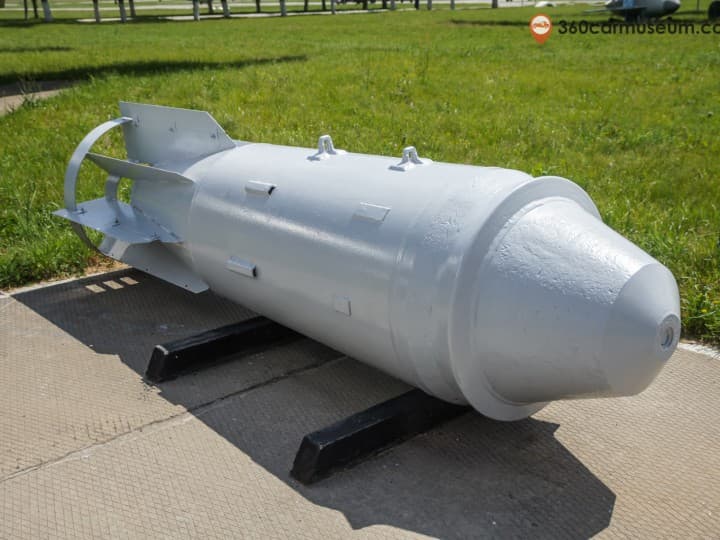
However, the situation changed when universal correction and planning modules (UMPC) began to be installed on FABs, turning aerial bombs, if not into high-precision weapons, then definitely into high-power and highly effective ones.
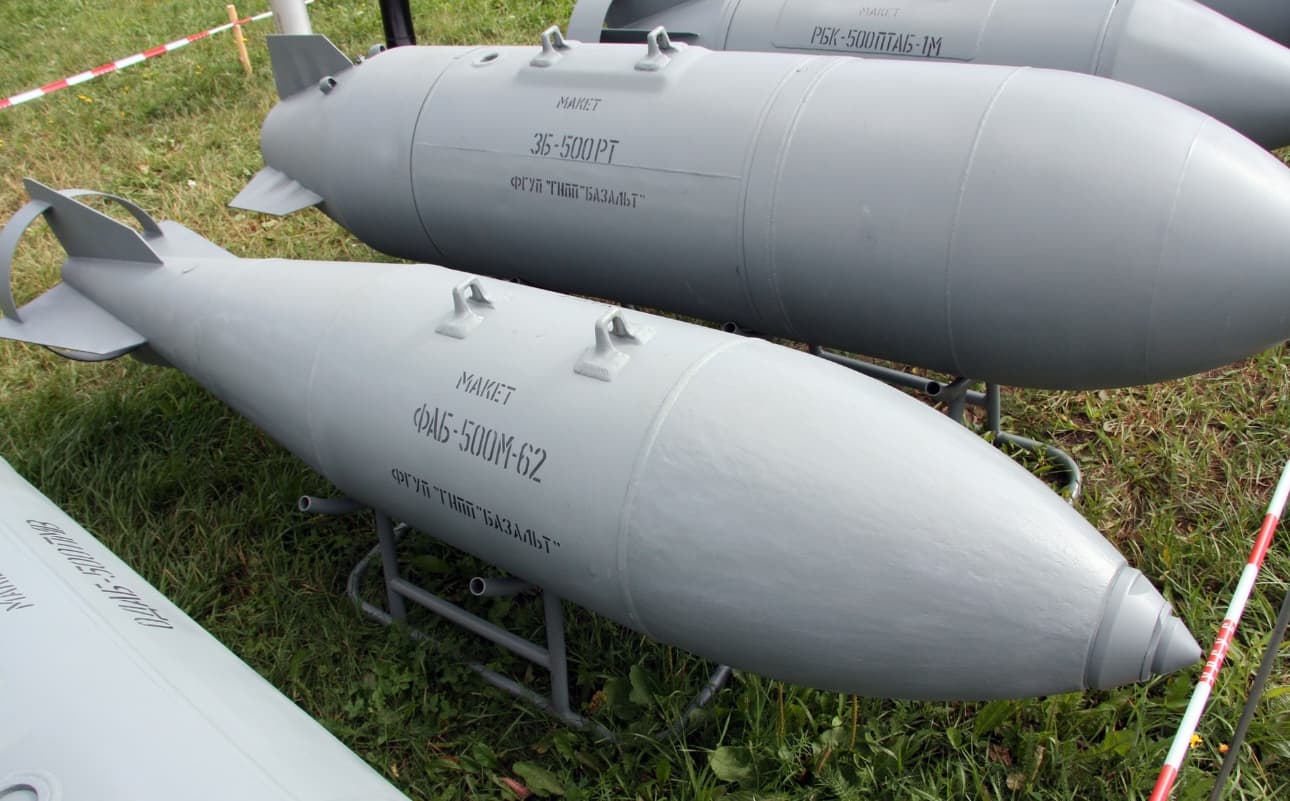
The bombs come off the aircraft's suspension, the FAB's wings unfold, and it, "steering", heads at a fairly high speed towards the target along the coordinates initially embedded in its control system using satellite and inertial navigation systems.
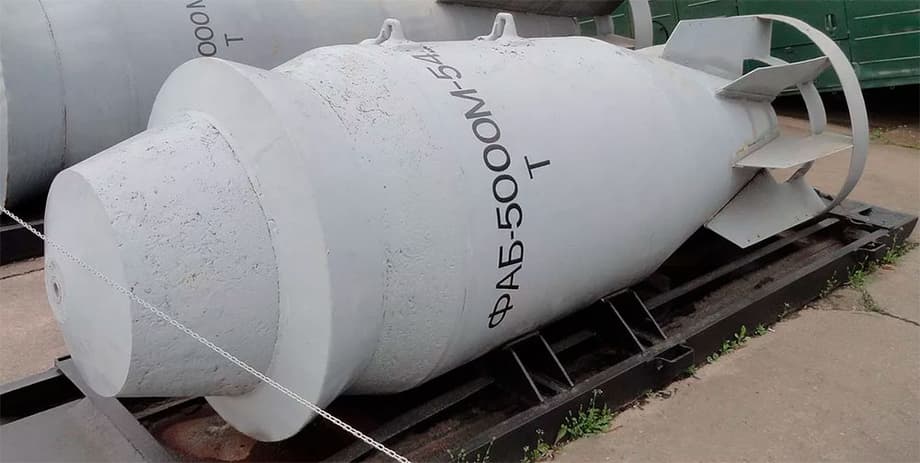
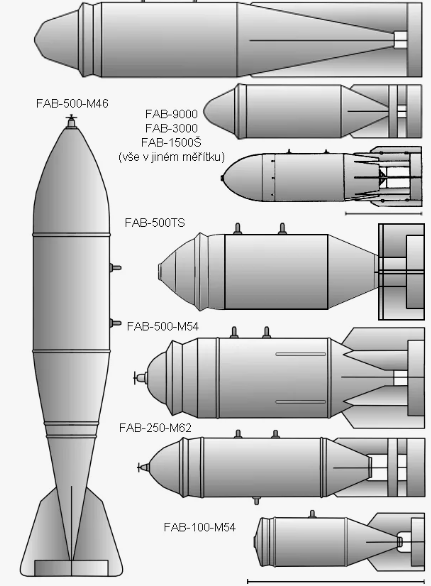
Currently, UMPC modules are installed on FAB-250, FAB-500 and FAB-1500 aerial bombs. In addition, videos of the use of FAB-3000 with UMPC are going viral on social networks.
Thus, it recently seemed that the old aerial bombs had already outlived their usefulness. But that was not the case, they were supplemented with a coordinate correction system, given wings and sent to fly to terrorize the enemy.
Earlier, www1.ru reported that a rare FAB-500T aerial bomb was spotted on the line of combat contact. It has improved aerodynamic properties due to its elongated body.
Read materials on the topic:
Now on home

Start of deliveries scheduled for 2027
Over 51,000 new motorcycles were sold in Russia in 2025

The car will take at least a year to assemble

The application's audience has reached 20 million users

The model will be included in the list of cars for taxis, price - from 2.25 million rubles

All parking lots of the "Administrator of the Moscow Parking Space" are connected to the service

The cars will be supplied to the Moscow Transport Service Directorate
Deliveries to India may begin in 2028
The technology provides automated search for all types of defects in power units
The plane flew 500 km, accelerating to 425 km/h

The plant stated that the information about the termination of purchases for models 6 and 8 is not true

Scientists are using the "Ekran-M" installation
Articles
-
Russian An-124 "Ruslan" Stuck in Canada for 4 Years and Accrues Millions in Fines
26 Jan 2026
-
Coaxial Propellers: How Counter-Rotation Increases Turboprop Engine Efficiency
25 Jan 2026
-
Kazan Aviation Plant Breaks Old System: Tu-214 to be Assembled Like Cars
25 Jan 2026
-
How Engineers and Technicians Are Paid Today in the Russian Aviation Industry: An Overview with Figures
24 Jan 2026