Translated with AI from the Russian original.
Specialists from the South Ural State University (SUSU) have developed a mathematical model that will tell the driver what speed to move at in order to pass intersections without stopping. This will help regulate traffic flows in large settlements and reduce the number of traffic jams on the roads, the university's press service reported.
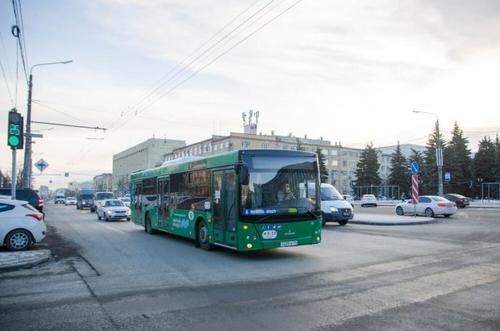
Road monitoring will be carried out using the AIMS (Adaptive Intelligent Mobility System) traffic monitoring system, which was created at SUSU. According to the scientists' idea, the recommended speed should be displayed on a dynamic road sign. This information can also be uploaded to Yandex Navigator.
The developers expect that their proposal will help increase the capacity of intersections by up to 30%.
Our proposal: to use artificial intelligence to calculate the average speed at which a car needs to move in order to catch the green light.
According to Fadina, all factors will be taken into account when calculating the data: the speed of the vehicle, the distance between intersections, the traffic load and the condition of the road surface.
Earlier www1.ru reported that the Ministry of Transport of Russia and GLONASS have started testing the Federal Navigation and Information System (FNIS).
Read materials on the topic:
Big Brother will follow: a single video surveillance platform may appear in Russia
Rostec has developed a system that "feels" the railway
It will be possible to find a stolen car with the help of Era-GLONASS
Never miss our newsAdd this site to your preferred sources to see us more oftenAdd on Google

















