Translated with AI from the Russian original.
Russian military personnel have received BMP-3s with a serial mounted dynamic protection kit developed by specialists from the Steel Research Institute (part of the Kalashnikov arms concern).
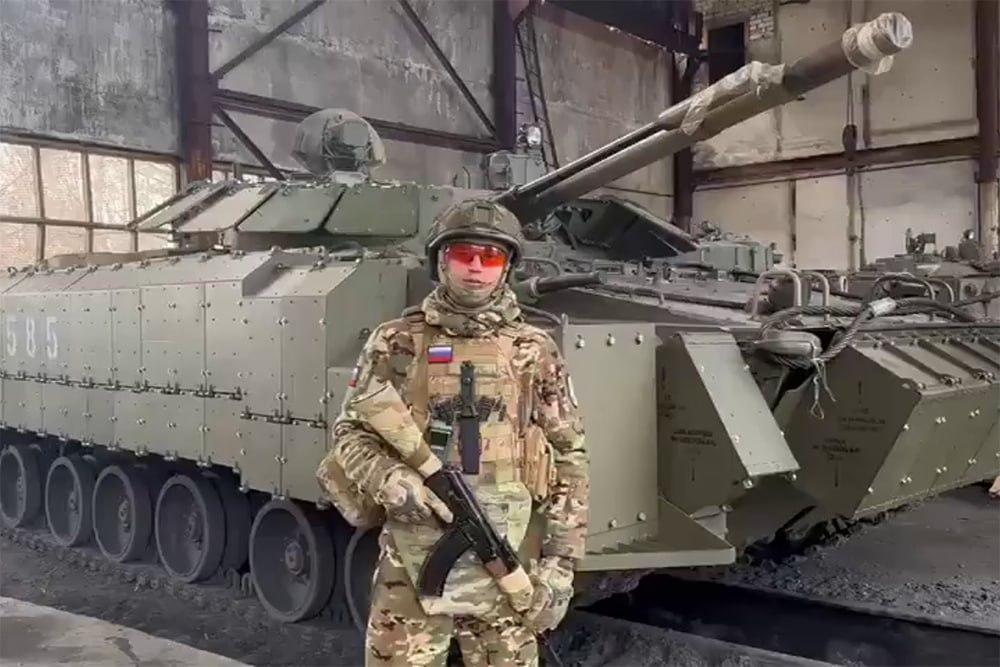
The next batch of BMP-3s with this body kit was transferred to the troops in early April. Dynamic protection has increased the survivability of combat vehicles during possible attacks from the enemy.
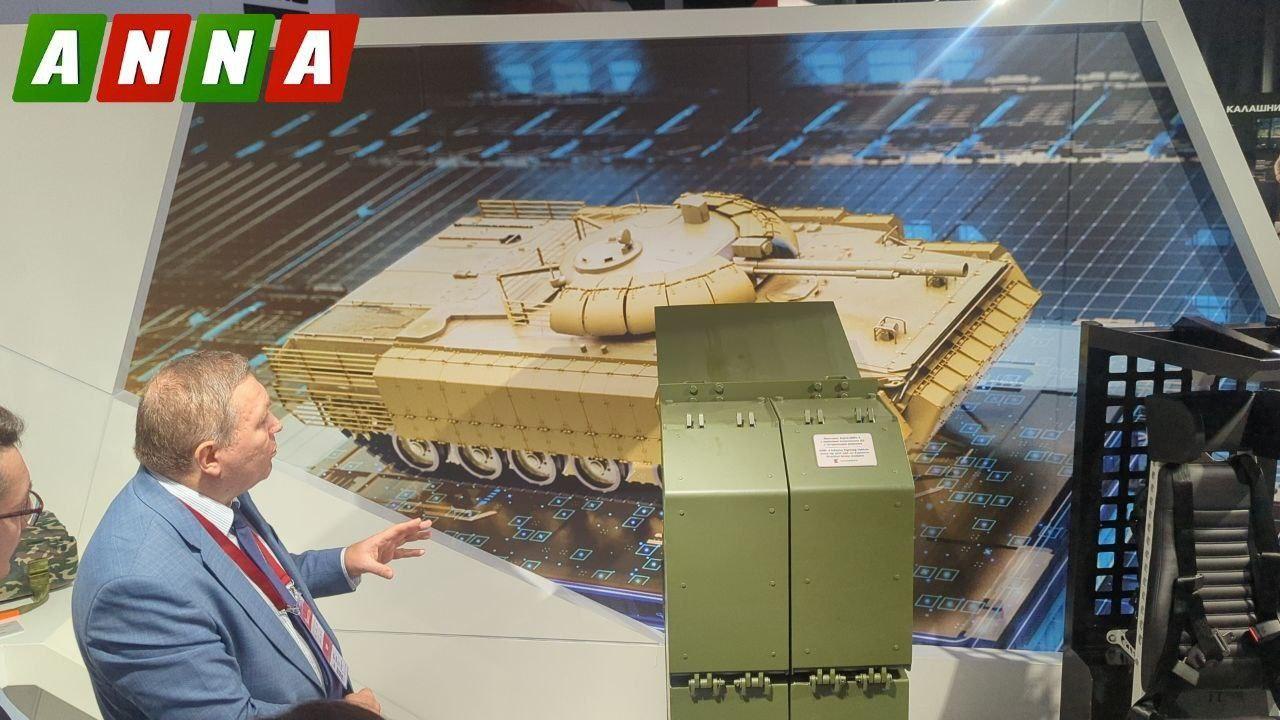
Anti-cumulative armor containers are fixed on the sides of the hull, in its front part, and on the BMP-3 turret. This increased the weight of the infantry fighting vehicle, but did not affect its mobility. The vehicle is capable of driving both on the highway and on rough terrain, and overcoming water obstacles.
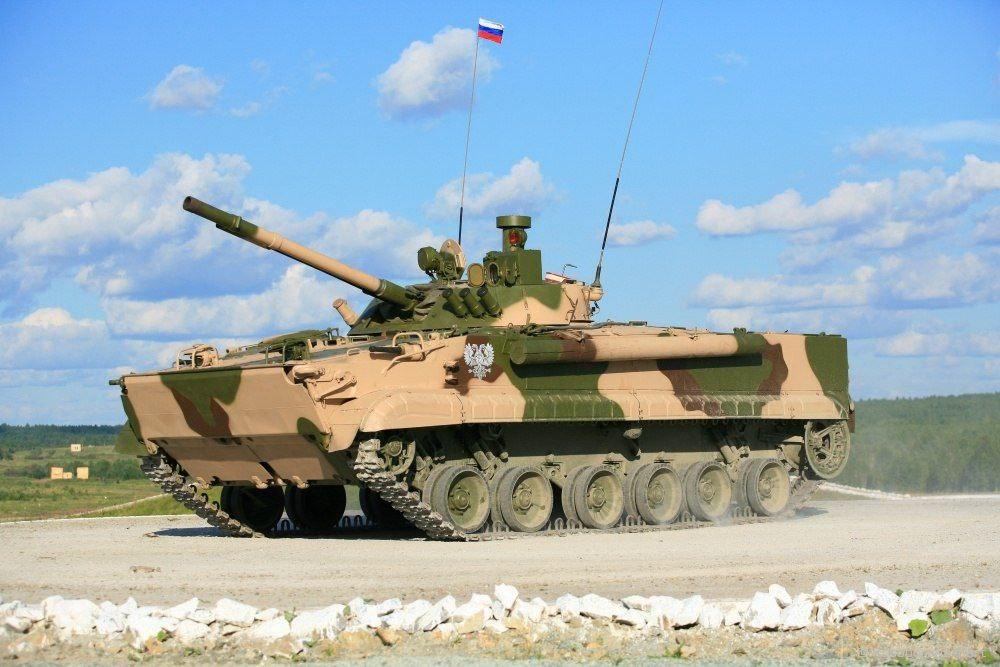
The press service of the Kalashnikov concern explained that the supply of mounted dynamic protection kits based on 4S24 elements for the BMP-3 began in early 2024. The protective characteristics of the body kit were confirmed during tests at the Alabino training ground in the Moscow region.
Earlier it was reported that Rostec increased the supply of BMP-3s to the Russian Armed Forces by one and a half times.
Never miss our newsAdd this site to your preferred sources to see us more oftenAdd on Google

















