Translated with AI from the Russian original.
Scientists from the Samara National Research University named after Korolev have begun testing the MGTD-22 "Kolibri" small gas turbine engine, which will be installed on jet-powered unmanned aerial vehicles.
The new engine, weighing 2.1 kg, will increase the speed and payload of the drone. Unlike piston equipment, the MGTD-22 will help the drone lift a load into the air that exceeds the weight of the drone itself.
Cargo drones with jet propulsion can be produced on the basis of "Kolibri", the university said. Tests of the gas turbine engine will continue for about 3 months.

Engineers plan to confirm the calculated characteristics of "Kolibri" in various engine operating modes. It is expected that the maximum thrust will be 220 N. With a take-off weight of 45 kg, the drone will be able to fly at a speed of 800 km/h at an altitude of 9 thousand m.
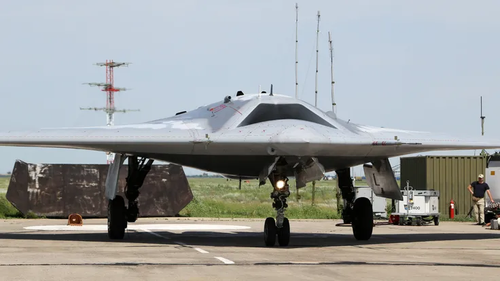
It was previously reported that next year Russian jet drones "Okhotnik" will be mass-produced. They will be supplied to the Russian Aerospace Forces.
Never miss our newsAdd this site to your preferred sources to see us more oftenAdd on Google

















