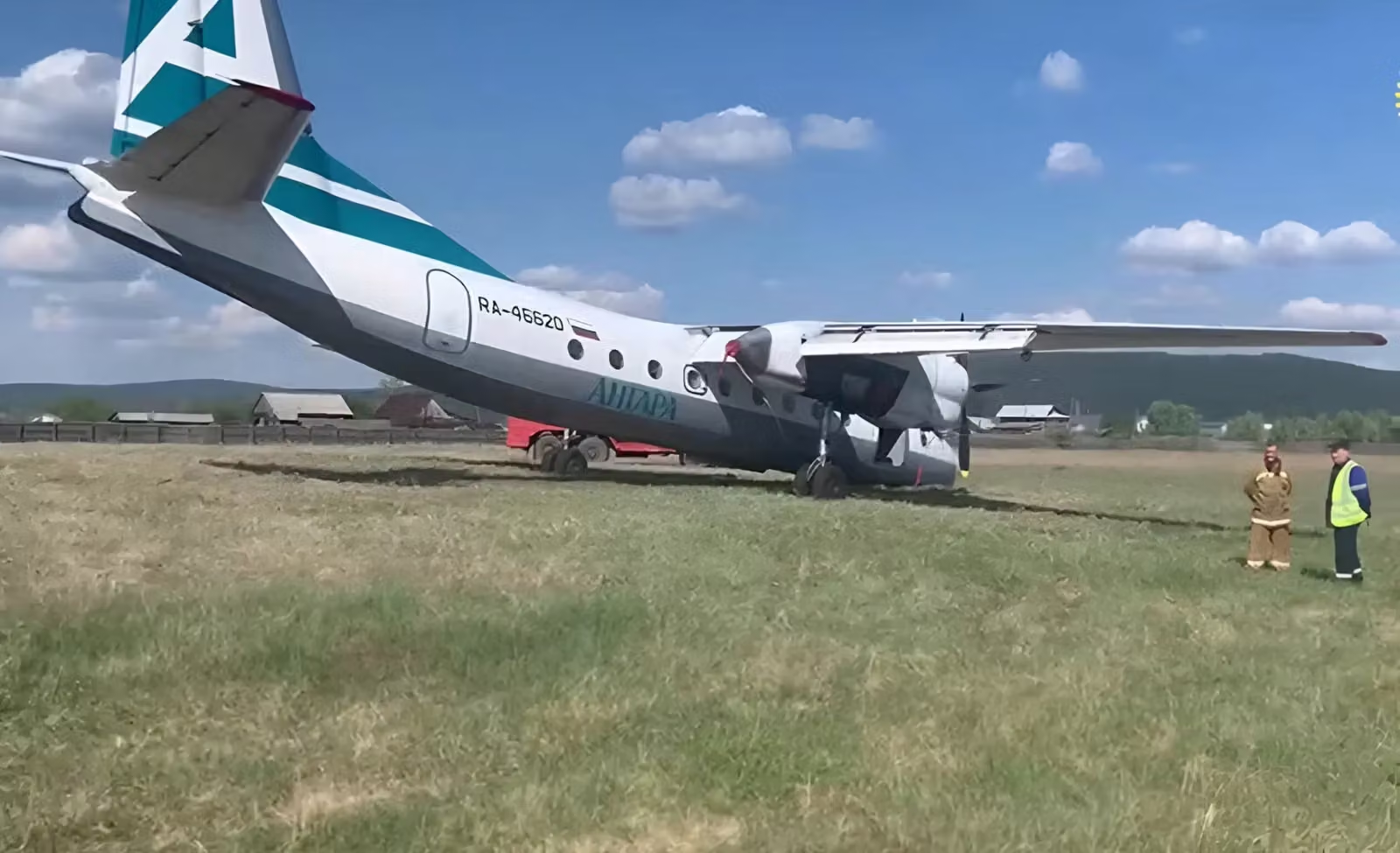
Russian regional airlines are forced to keep Soviet half-century-old An-24/26, Yak-40, L-410 and other"on wing" due to the lack of an actual replacement. But in the future, in the segment of regional and local air transportation, without government subsidies, new aviation equipment has no chance of paying off, according to aviation expert Oleg Panteleev, Executive Director of Aviaport agency.
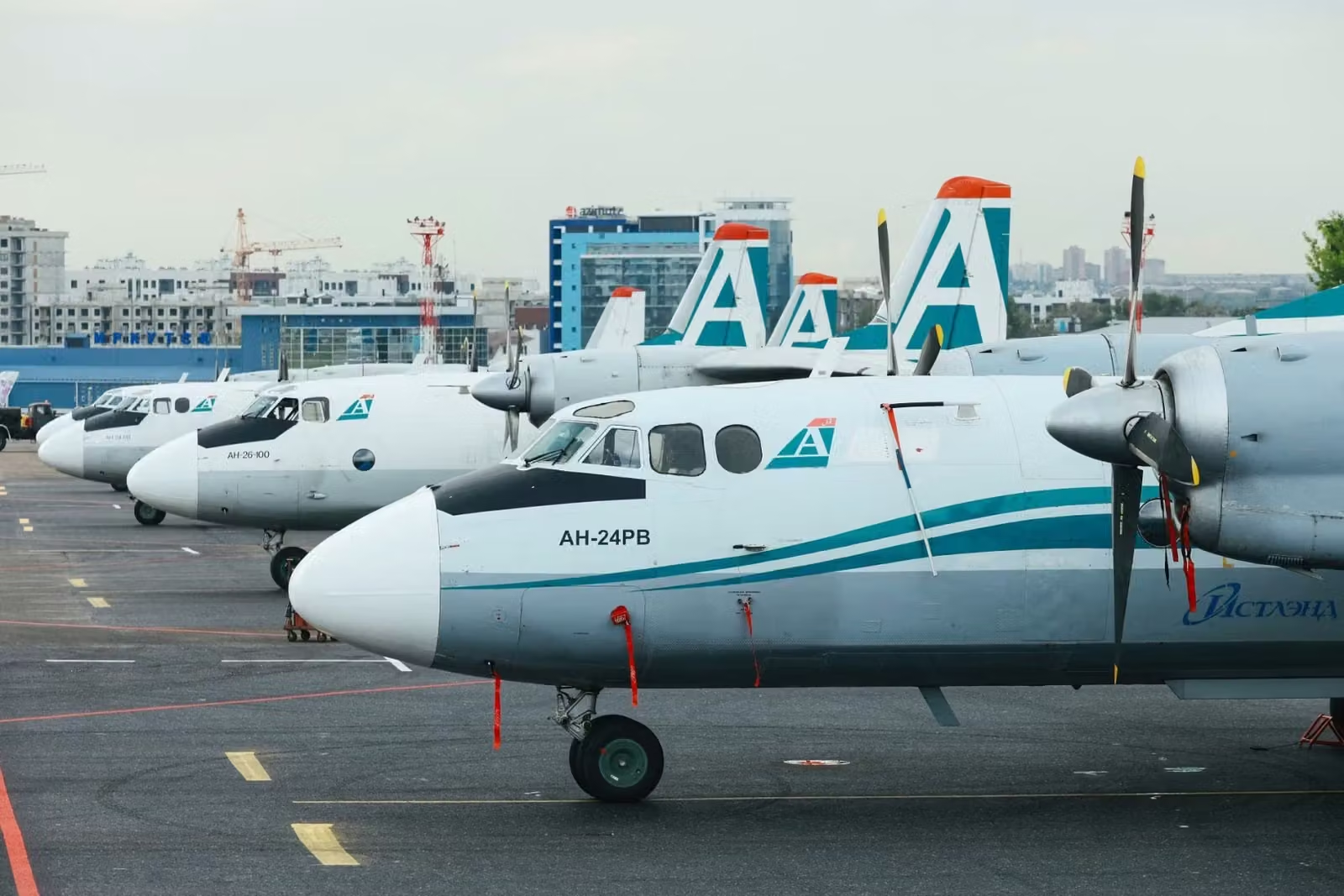
Keep "on wing"
According to Panteleev, it is therefore advisable to extend the calendar life of these types of aircraft, maintain competencies in the repair of components and assemblies, and train personnel for these aircraft.
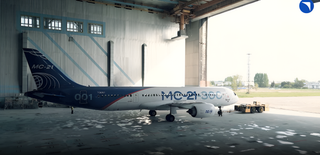
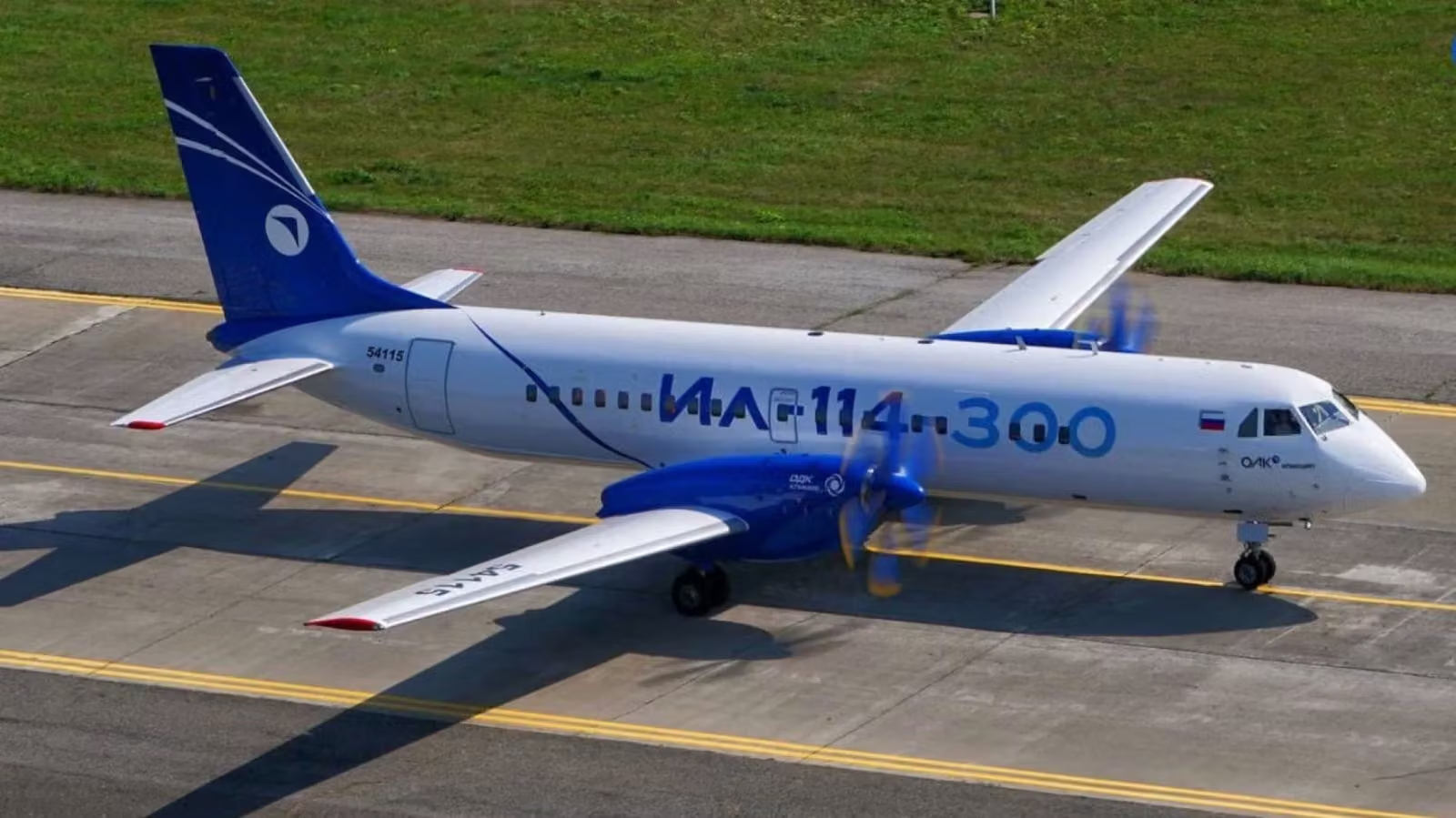
Panteleev expressed confidence that the aviation industry will be ready to deploy mass production of mainline aircraft - from the 100-seat SJ-100 to the 210-seat Tu-214.
Need money and a lot of it
But the ability of the aviation industry to meet the needs of the air transport industry in modern technology depends not only on the pace of production modernization and the timing of aircraft certification, Panteleev reminded.
Large-scale budget financing will be required to support the sale of new aviation equipment, and this is where there are risks of not achieving volume targets.
Unlike Western aircraft manufacturers, which have significant funds of their own and can also attract borrowed financing on attractive terms, Russian designers havea completely different situation.
Domestic aircraft manufacturers do not have such financial capabilities and are forced to rely on government support.
Light at the end of the tunnel - just not a train
A detailed review reveals thatthe state and aviators have tools with which to prevent the development of events according to a pessimistic scenario, the aviation expert said.
For example, in the helicopter segment, there is a significant surplus of heavy vehicles of the Mi-8T family and more modern Mi-8AMT/Mi-8MTV-1. In addition, the demand for transportation and aviation work on such equipment is not growing.
Consequently, even if a significant number of helicopters are decommissioned, a shortage of supply is not predicted. Moreover, a mechanism for preferential leasing of helicopter equipment has already been established and is working effectively, which allows Russian airlines in different regions to successfully rejuvenate the Mi-8 fleet.
339aircraft and 200 helicopters may leave the fleet of Russian airlines by the end of 2030, warned Dmitry Yadrov, head of Rosaviatsia. Currently, there are 1,088 aircraft "on wing", and 47 aircraft are not in operation.
Earlier,www1.ru reported thatRussian tires for the chassis of MS-21 and SJ-100 liners have successfully passed certification.
Read more materials:
Never miss our newsAdd this site to your preferred sources to see us more oftenAdd on Google