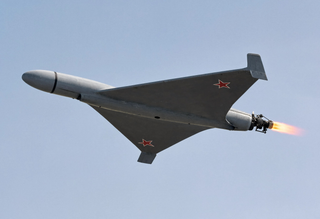
The Chief of the General Staff of the Syrian Armed Forces, Ali al-Nasan, along with other representatives of the military command, visited Moscow in early October. There, the Syrian delegation was shown armored vehicles and advanced drones of Russian production. This was reported by the Western publication Army Recognition, citing sources.
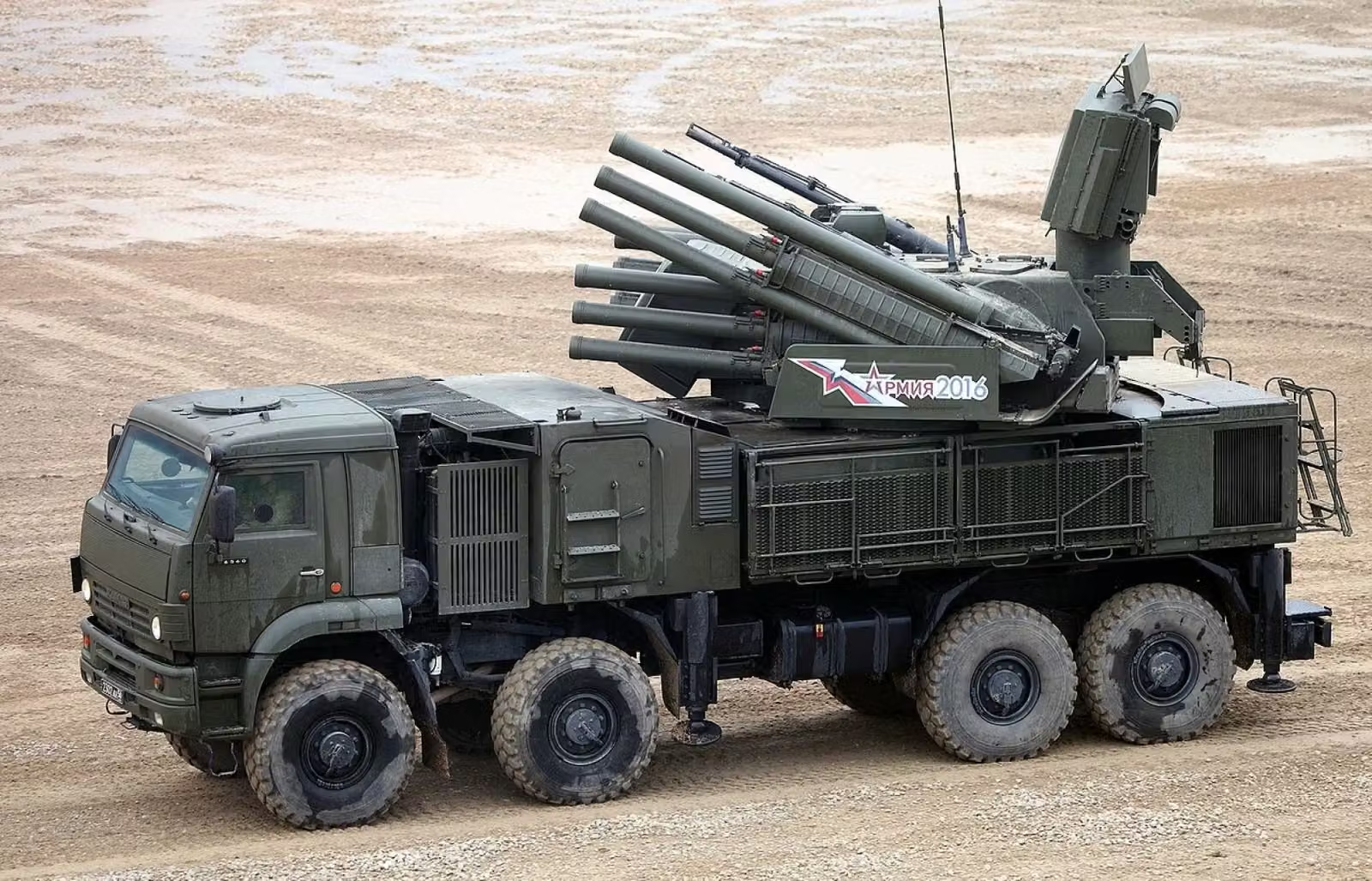
Damascus, apparently, is preparing for rearmament, which may affect US policy in the Middle East. Ali al-Nasan's visit to Moscow proves Syria's dependence on Russia as its main arms supplier and security guarantor.
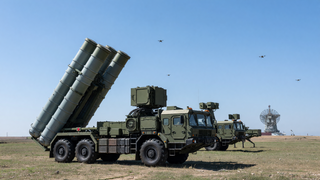
The Syrian general familiarized himself with the systems ready for export. According to Army Recognition, we are talking about the Pantsir-S1M self-propelled anti-aircraft missile and gun system and the Buk-M3 anti-aircraft missile system, which have been tested in combat conditions and have proven their effectiveness.
Russian UAVs, including the Orlan-30 reconnaissance drone or the Lancet loitering munition, could provide real-time targeting for precision strikes. Moscow could export T-90MS tanks or BMP-3s to Syria to modernize the Syrian army.
What is in service with the Syrian Arab Armed Forces
For more than 10 years, Russia has been supplying weapons and military equipment to the Syrian Arab Army (SAA). According to the Stockholm International Peace Research Institute (SIPRI), supplies were actively delivered between 2015 and 2021.
Most of the military equipment was second-hand. Syria received over 100 T-62 tanks, 25 BMP-1s and 36 M-30 howitzers. Russia also transferred 10 T-90S tanks, 4 Mi-24P/Mi-35P helicopters, and 6 MiG-29S fighters to the SAA.
Moscow helped Syria modernize its air defense system. The country received 3 units of the S-300PMU-1 SAM system complete with 200 interceptor missiles. Additional deliveries included 100 Kornet-EM ATGMs, 2 Il-76M transport aircraft, and R-73 air-to-air missiles for MiG-29 fighters.
Who will pay the piper?
The arming of Syria with Russian systems has led to long-term dependence on Moscow. Suppliers from other countries have not been able to establish contacts with its new authorities.
The financing of new purchases remains uncertain, but Russia traditionally makes concessions, offering deferred payments, barter or considering other opportunities for cooperation, up to the deployment of its military bases. Analysts suggest that these mechanisms will form the basis of future contracts.
The author of Army Recognition did not rule out that new equipment would still be purchased for the Syrian Armed Forces. On the one hand, this will increase the operational readiness of the Syrian army, and on the other hand, it will strengthen Moscow's position in the Middle East after the departure of Bashar al-Assad (President of the SAR from July 17, 2000 to December 8, 2024).
Read more materials on the topic:
- Syrian military official hinted at the possibility of deploying Russian S-400s in Damascus
- Russian Su-30SM fighter spotted in Syria: unique footage
- Russian Aerospace Forces and Syrian Air Force held exercises in Aleppo province
Never miss our newsAdd this site to your preferred sources to see us more oftenAdd on Google