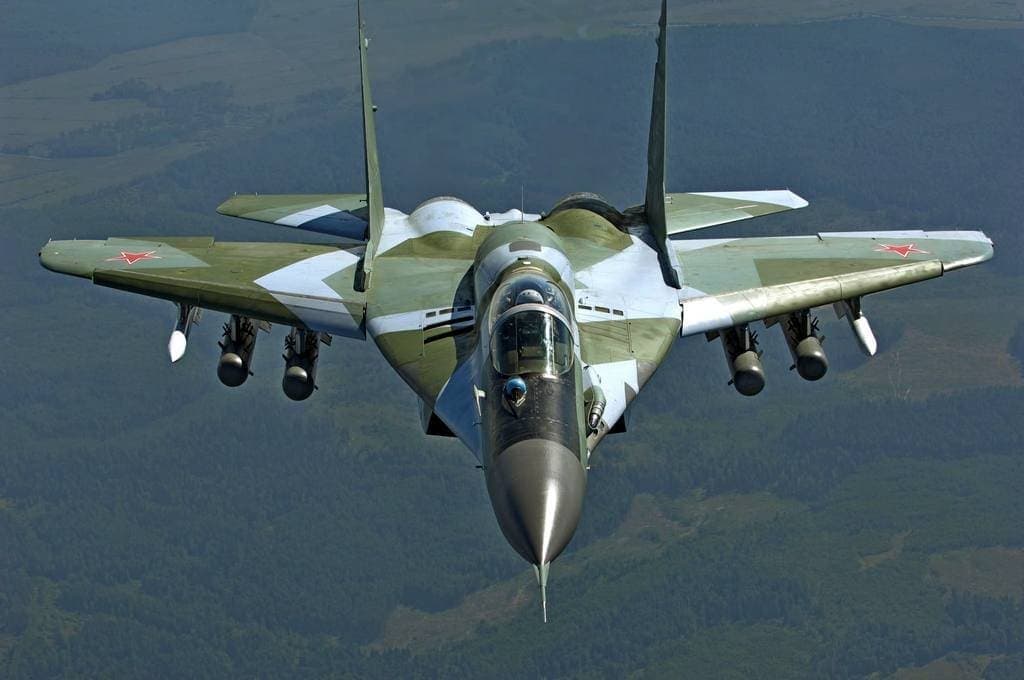
In October 1977, the MiG-29, a light front-line fighter that became one of the most successful fourth-generation aircraft, took to the skies for the first time. On Monday, October 6, it turned 48 years old. Over half a century of operation, the aircraft has undergone deep modernization and remains in service with dozens of countries around the world.
From Soviet project to world fame
According to NATO classification, the MiG-29 received the code name Fulcrum. This definition accurately reflects the intention of the Mikoyan Design Bureau - to create a balanced fighter capable of providing air superiority under any conditions.
The machine combined high maneuverability, reliability and relative ease of maintenance, which made it in demand both in the USSR and abroad.

After the collapse of the Soviet Union, the MiG-29 continued to serve in the Russian Air Force, as well as in the armed forces of India, Poland, Germany, Serbia and other countries. Naval, training-combat and export modifications were created on its base, including the MiG-29M, MiG-29K and MiG-35.
Technical perfection and modernization
The modern MiG-29M is capable of tracking up to ten targets and simultaneously engaging four of them. The radar station detects enemy fighters at a distance of up to 80 km. Improved cockpit visibility, indication and navigation systems, as well as pilot's workplace ergonomics.
The flight performance characteristics of the MiG-29 remain impressive even by modern standards. The aircraft, 4.73 m high, has a wingspan of 11.36 m and develops a speed of up to 2450 km/h (2.3 Mach).
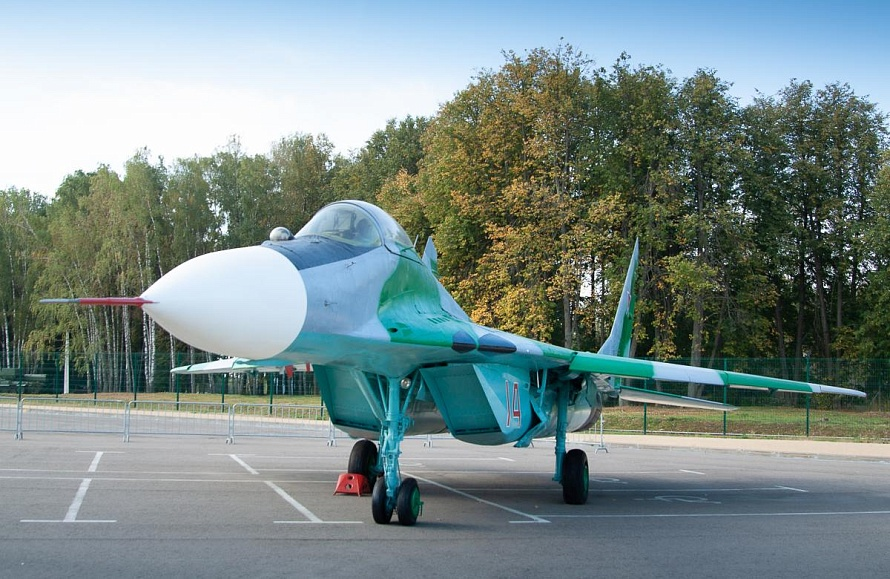
The practical ceiling is 18 km, and the flight range at high altitude is 1430 km, with external fuel tanks - up to 2100 km.
The maximum take-off weight reaches 18.1 tons, while the armament accounts for up to 2.18 tons of combat load. The crew consists of one pilot, and in the training version - two.
Legacy and potential
The MiG-29 has become a symbol of engineering excellence and an example of how a combination of technical elegance and combat effectiveness can remain relevant for decades.
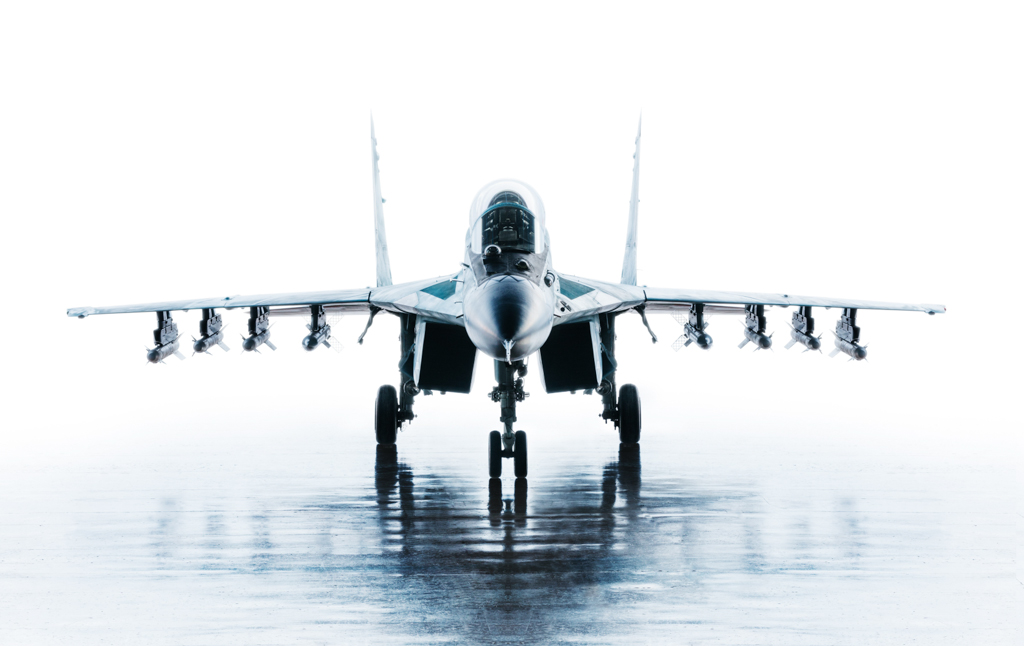
Its structural strength margin and the possibility of further modernization have ensured the fighter a long life, and the aircraft itself remains a kind of "point of support" for Russian aviation.
Earlier www1.ru reported that Russia is ready to offer deliveries of Su-57 and S-400 air defense systems abroad.
Read also materials:
Now on home

Start of deliveries scheduled for 2027
Over 51,000 new motorcycles were sold in Russia in 2025

The car will take at least a year to assemble

The application's audience has reached 20 million users

The model will be included in the list of cars for taxis, price - from 2.25 million rubles

All parking lots of the "Administrator of the Moscow Parking Space" are connected to the service

The cars will be supplied to the Moscow Transport Service Directorate
Deliveries to India may begin in 2028
The technology provides automated search for all types of defects in power units
The plane flew 500 km, accelerating to 425 km/h

The plant stated that the information about the termination of purchases for models 6 and 8 is not true

Scientists are using the "Ekran-M" installation
Articles
-
Russian An-124 "Ruslan" Stuck in Canada for 4 Years and Accrues Millions in Fines
26 Jan 2026
-
Coaxial Propellers: How Counter-Rotation Increases Turboprop Engine Efficiency
25 Jan 2026
-
Kazan Aviation Plant Breaks Old System: Tu-214 to be Assembled Like Cars
25 Jan 2026
-
How Engineers and Technicians Are Paid Today in the Russian Aviation Industry: An Overview with Figures
24 Jan 2026